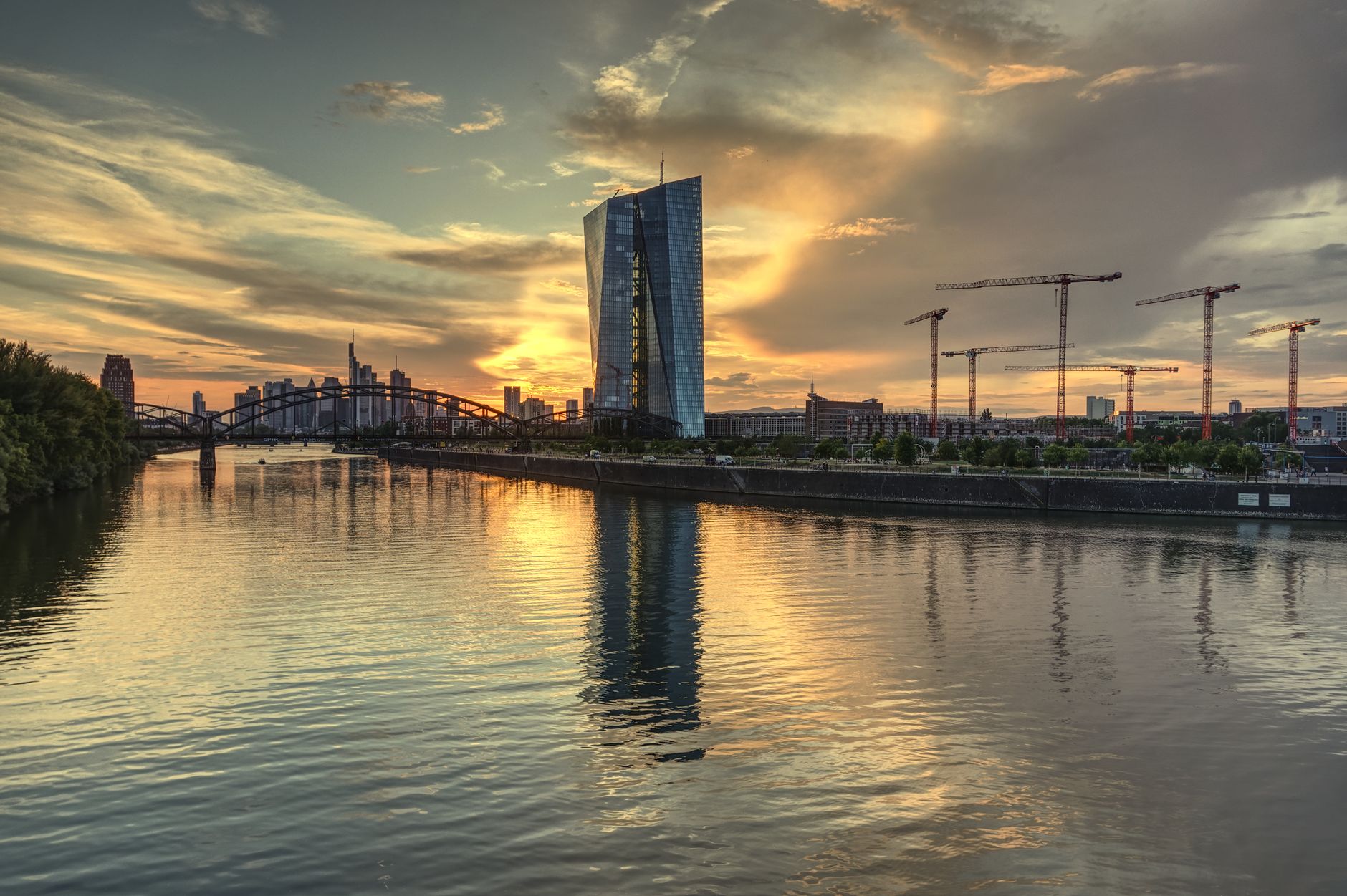
Europe's economic landscape is fracturing under geopolitical strain, with the ECB charting a map of winners, losers, and wastelands. Ukraine's war has supercharged energy prices, while US tariffs and Chinese export bans ripple through supply chains. Eastern flanks like Poland and the Baltics absorb direct hits, their GDPs battered by refugee influxes and defense spending surges.
Central bankers in Frankfurt now model 'geopolitical risk indices,' revealing how tensions amplify inflation in import-dependent nations. Germany's auto giants scramble as battery metals dry up, while southern ports thrive on rerouted trade. Bruegel think-tank reports underscore a decade of decay: post-war order crumbling, coercion rampant from Moscow to Washington.
Fiscal hawks clash with doves as ministers convene in Copenhagen, debating shields against aggression. The euro's stability is no longer assured; price stability demands bold monetary pivots amid fiscal fragmentation.
Society feels the pinch: rising costs fuel populism, testing the social model. If unaddressed, these shocks could unravel the single market's promise.