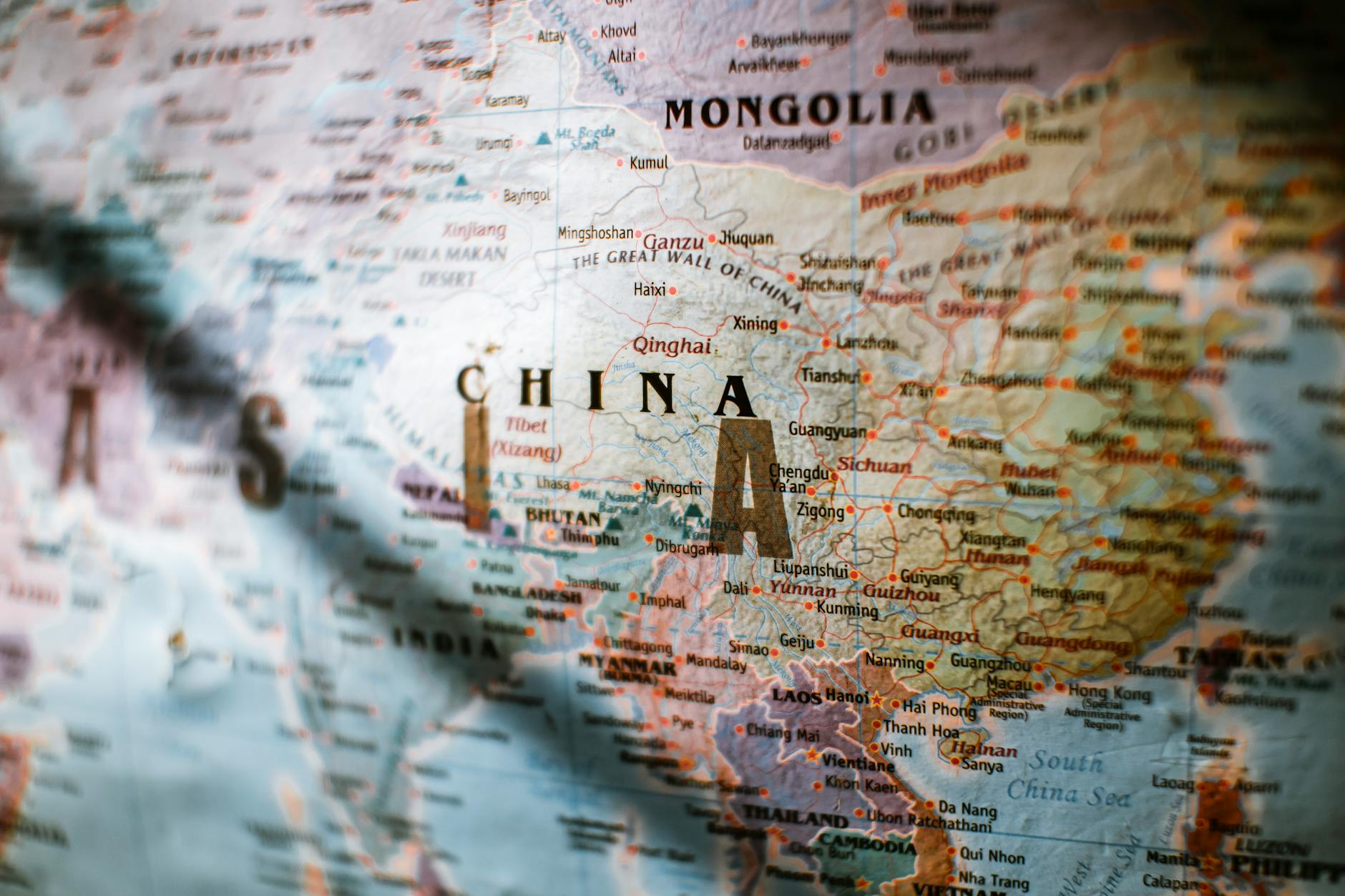
Asia-Pacific politics in 2026 are defined by a familiar contradiction: sharper strategic competition, but no clear appetite for a wider rupture. Washington and Beijing remain locked in a contest that shapes regional security priorities and economic governance, while the China Sea, the Korean Peninsula and Southeast Asia continue to carry the highest risk of miscalculation.[4]
That tension is visible in the way regional states are hedging. Governments across the Indo-Pacific are deepening security ties with the United States, maintaining trade exposure to China, and trying to preserve room for diplomatic flexibility. The pattern reflects a simple calculation: most capitals want deterrence against coercion, but not a bloc-based split that would damage trade, manufacturing and investment flows.[4]
Economic data reinforces that caution. The Asian Development Bank now forecasts developing Asia and the Pacific will grow 4.9% in 2026, down from its April estimate and below 2025’s 5.5% pace, citing persistent energy-market disruption.[3] That slowdown does not point to recession, but it does suggest that growth is losing some of the cushion that helped governments absorb geopolitical shocks earlier in the decade.[3]
For policymakers, the message is uncomfortable but clear: the region’s economic interdependence is not dissolving, but it is becoming less reliable as a stabilizer. Supply chains still bind the major economies together, yet that same dependence is increasingly treated as a vulnerability rather than a guarantee of peace.[4]
The practical consequence is a region living on managed risk. Leaders are not preparing for war, but they are preparing for friction—at sea, in cyberspace, and in the trade system that underpins the region’s prosperity.[3][4]