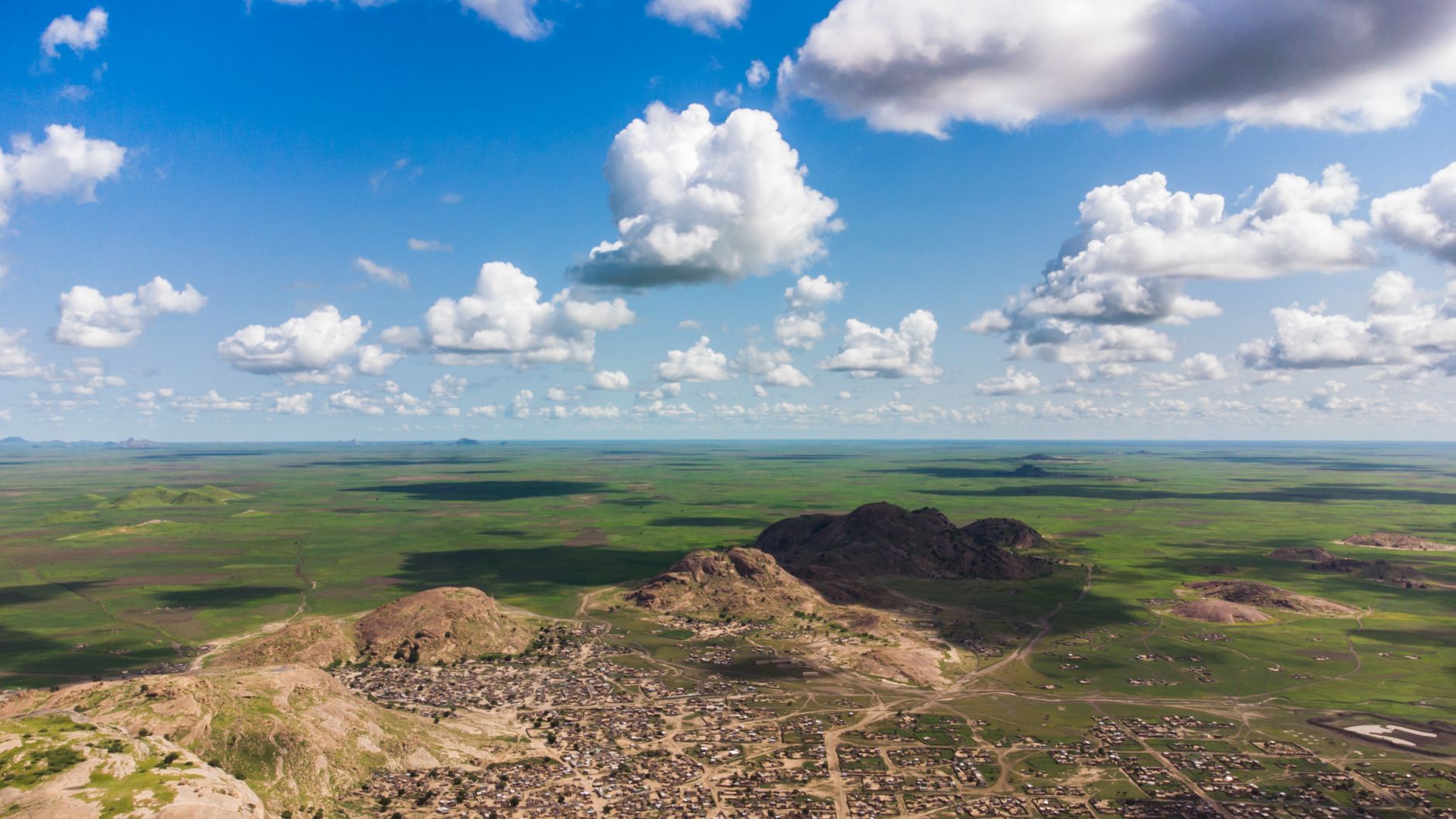
Sudan’s war is entering a deadlier phase as drone strikes pound strategic areas and trap civilians in widening pockets of fear and deprivation. The United Nations has warned that the fighting around El Obeid risks escalation, while aid agencies say the broader conflict has already produced one of the world’s worst humanitarian emergencies.
The shift matters because drones change the rhythm of war. They allow commanders to strike without holding ground, to disrupt supply lines, and to keep civilian areas under constant pressure even when front lines appear static.
That pattern has been especially visible in North Kordofan, where drone strikes have become a dominant feature of the fighting. ACLED recorded more than 50 drone strikes there in June, with over 110 reported fatalities, underscoring how aerial attacks are now doing much of the killing.
The human cost is enormous and still rising. UNICEF said at least 330 children were killed or injured in Sudan in the first half of 2026, and 60% of those casualties were caused by drone attacks.
This is not just a military transformation. It is a political one, because the war is now shaping food access, displacement, and the very possibility of governance in the country’s center and west. The longer the drones dominate the battlefield, the harder it becomes to imagine a negotiated pause that actually holds.