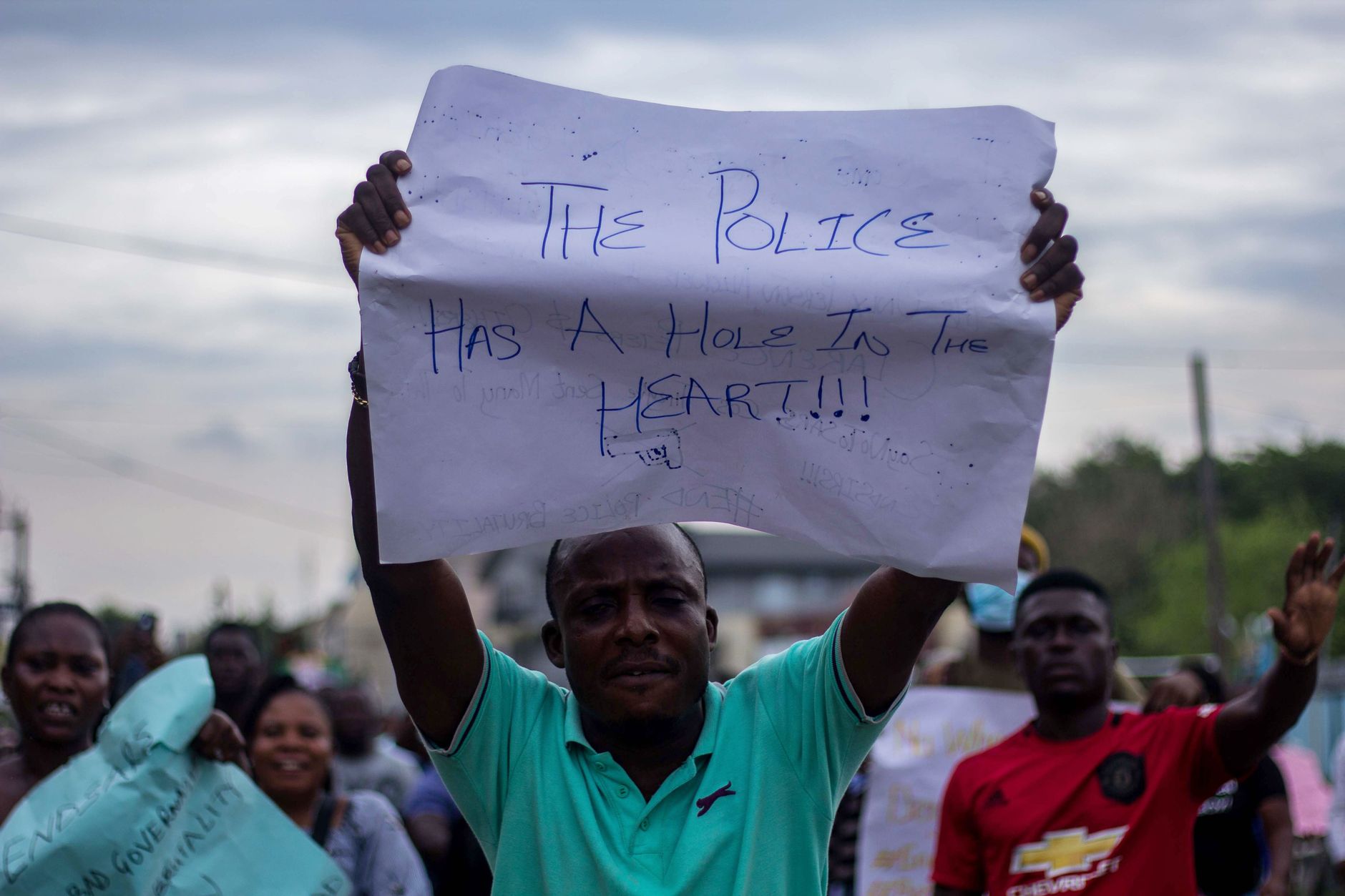
Tanzania’s decision to ban public political rallies nationwide is a stark sign that the space for opposition politics is closing again. Police have already arrested 130 people for what they called “inciting criminal acts,” a move that fits a broader pattern of tightening control over public dissent.
The timing matters. The ban comes after the disputed October 2025 elections, during which rights groups and the opposition accused security forces of killing thousands, and after a separate round of tighter security around planned anti-government protests in July.
This is more than a law-and-order story. It is a test of whether Tanzania’s political system can absorb dissent without treating every rally as a threat to stability. The answer so far appears to be no.
For the opposition, the ban complicates organizing at precisely the moment when public frustration is rising. For the government, it may buy short-term calm, but it also risks hardening public anger and pushing political competition further underground.
The wider lesson is regional. Across parts of Africa, governments are using legal and policing tools to manage political uncertainty before it reaches the ballot box. Tanzania now stands out as one of the clearest examples of that strategy in action.