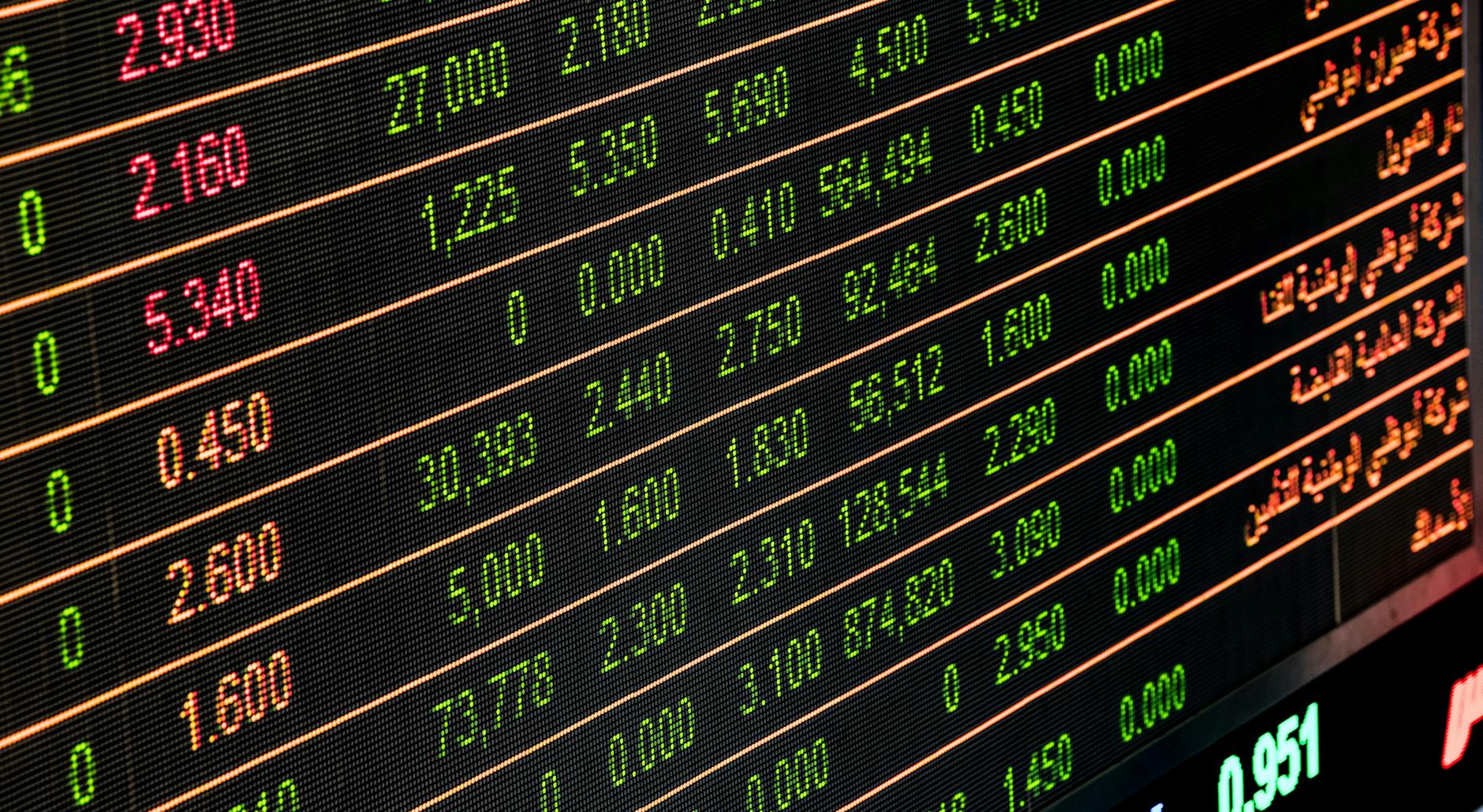
European shares opened higher on Tuesday, with Paris, Frankfurt and Milan posting modest gains while London hovered near flat, according to market data reported by QNA.[9] The move suggests investors are still willing to buy risk in Europe, but only selectively and with one eye on the exits.
The problem is that the market backdrop is less reassuring than the opening bell implies. Semiconductor stocks were under pressure, a reminder that Europe’s broader industrial cycle remains exposed to global tech volatility even when local indices look steady.[9] For a region that depends heavily on manufacturing, trade and energy-intensive production, there is little room for complacency.
Energy remains the bigger macro story. Investors continue to monitor price movements closely, and that is not just a trader’s obsession. For Europe, energy is still the transmission channel through which geopolitics hits inflation, consumer demand and corporate margins. A supply wobble or sanctions shock can move faster than earnings season.
That is why the market response matters less as a snapshot than as a signal. Europe is proving that it can absorb bad news without immediate panic, but not that it has escaped fragility. Any renewed tension in LNG flows, shipping routes or sanctions policy could quickly turn a modest rally into a defensive trade.[7][9]
The central question for the second half of the year is whether Europe’s equity markets are pricing resilience or merely postponing a reckoning. For now, investors are choosing the former. The energy complex, geopolitical risks and uneven industrial demand may decide whether that optimism survives the week.