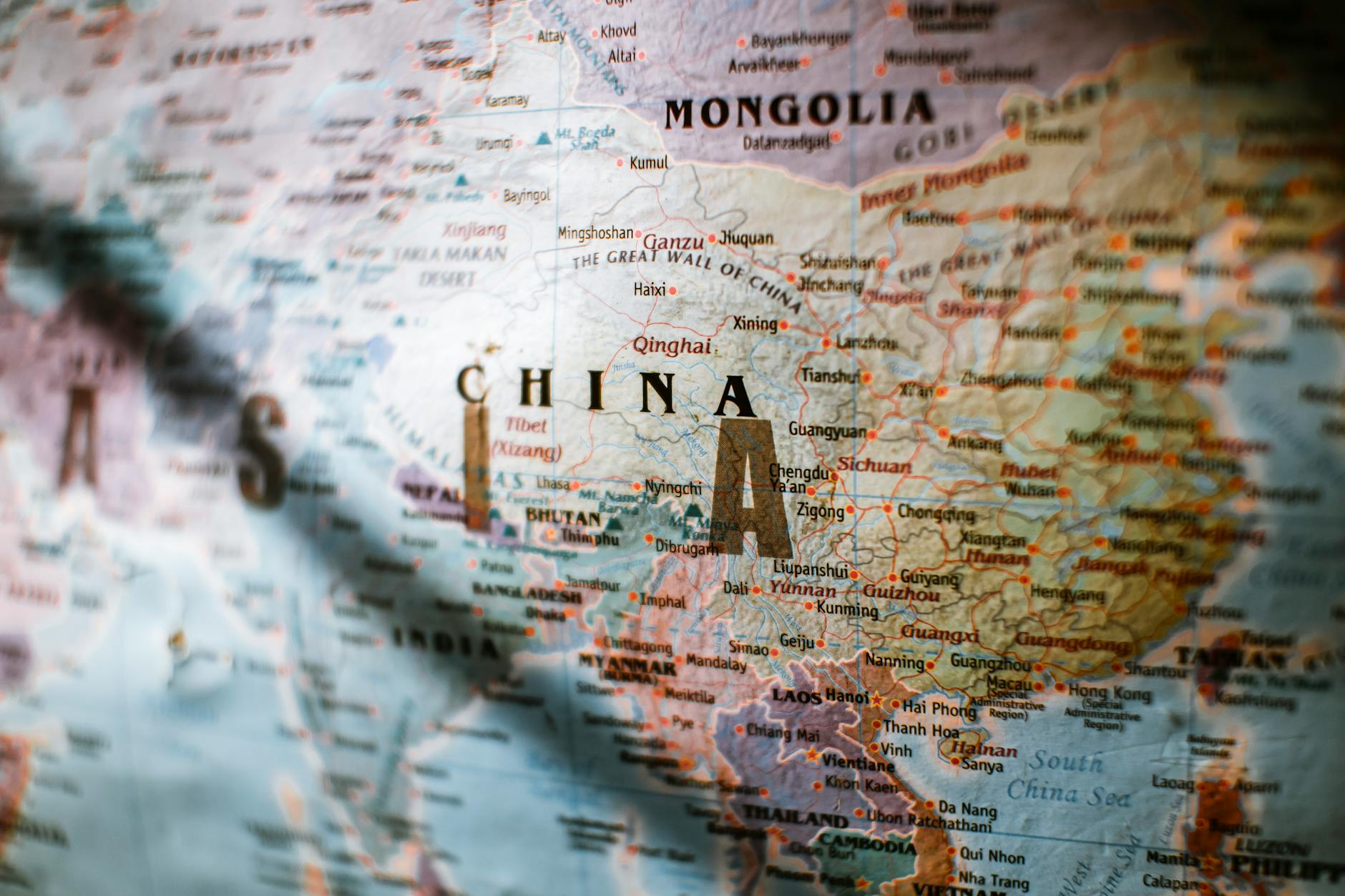
The South China Sea remains one of the clearest fault lines in Asia-Pacific geopolitics, but the dispute has broadened beyond reefs and patrol zones. Fourteen governments recently reaffirmed that the 2016 arbitral ruling is final and legally binding, a reminder that legal positions are now being used as geopolitical signals as much as juridical statements.[2]
That show of support came against a backdrop of continued Chinese pressure elsewhere in the maritime domain. Reporting in July notes persistent PLA aircraft and naval activity around Taiwan, including routine incursions that serve as gray-zone coercion.[1] The message to regional capitals is unmistakable: maritime disputes are interconnected, and pressure in one area can be used to shape behavior in another.
China is also working to deepen military partnerships that reach beyond its immediate coastline. Joint Sea-2026 ended with Chinese and Russian submarines conducting coordinated underwater operations before joint patrols moved into the Pacific.[4] That development is significant not because it creates an alliance overnight, but because it normalizes a broader contest across sea lanes that matter to all of Asia.
Regional states are responding by tightening their own coordination. India and Japan have been expanding defense cooperation across maritime security, exercises, cyber and space, while Japan is also pursuing implementation of the UNICORN naval communications project.[2] These are practical steps aimed at improving situational awareness and interoperability, not rhetorical gestures.
The deeper issue is that maritime law, military posture and trade routes are now intertwined. Control over sea lanes is not a side issue; it is central to how Asian states think about sovereignty, energy flows and economic security.[9][11] That makes the South China Sea less a single dispute than a barometer of the region’s political order.