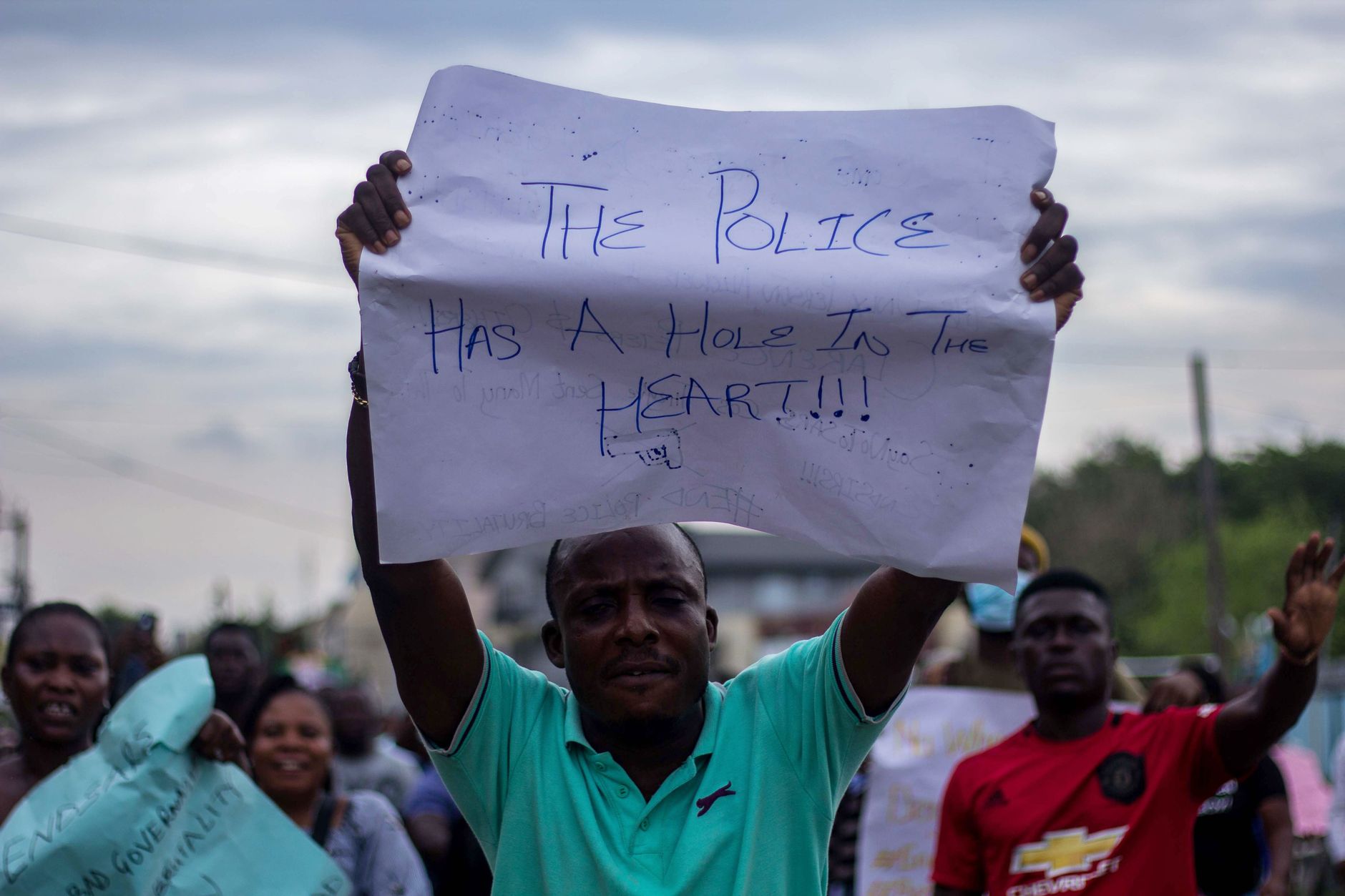
Tanzania’s latest arrests of people accused of “inciting criminal acts” are more than a policing action; they are a warning shot at a political system increasingly built around restraint rather than contestation. The move follows a fresh nationwide ban on public rallies, restoring one of the bluntest tools of control in the country’s modern political playbook.[1][2]
The timing matters. With public political space already compressed, the state is signaling that it views assembly itself as a threat. That approach may reduce visible street pressure in the short term, but it also pushes dissent underground, where frustration is harder to monitor and easier to radicalize.[1][2]
For the opposition, the message is clear: legal politics is being narrowed to the point where the campaign season starts on an uneven field. Tanzania has long marketed itself as one of East Africa’s more stable states, but stability purchased through restriction can become brittle when citizens are denied peaceful channels to voice anger.[1][6]
The crackdown also carries regional implications. Neighbors watching Tanzania’s playbook will read it as a test of how far incumbents can go in managing opposition before international criticism becomes meaningful. That matters in a region already strained by economic pressure, anti-incumbent sentiment and rising distrust of electoral institutions.[1][4]
The central question is no longer whether the state can suppress rallies. It is whether it can do so without deepening the very legitimacy crisis it is trying to avoid.[1][2]