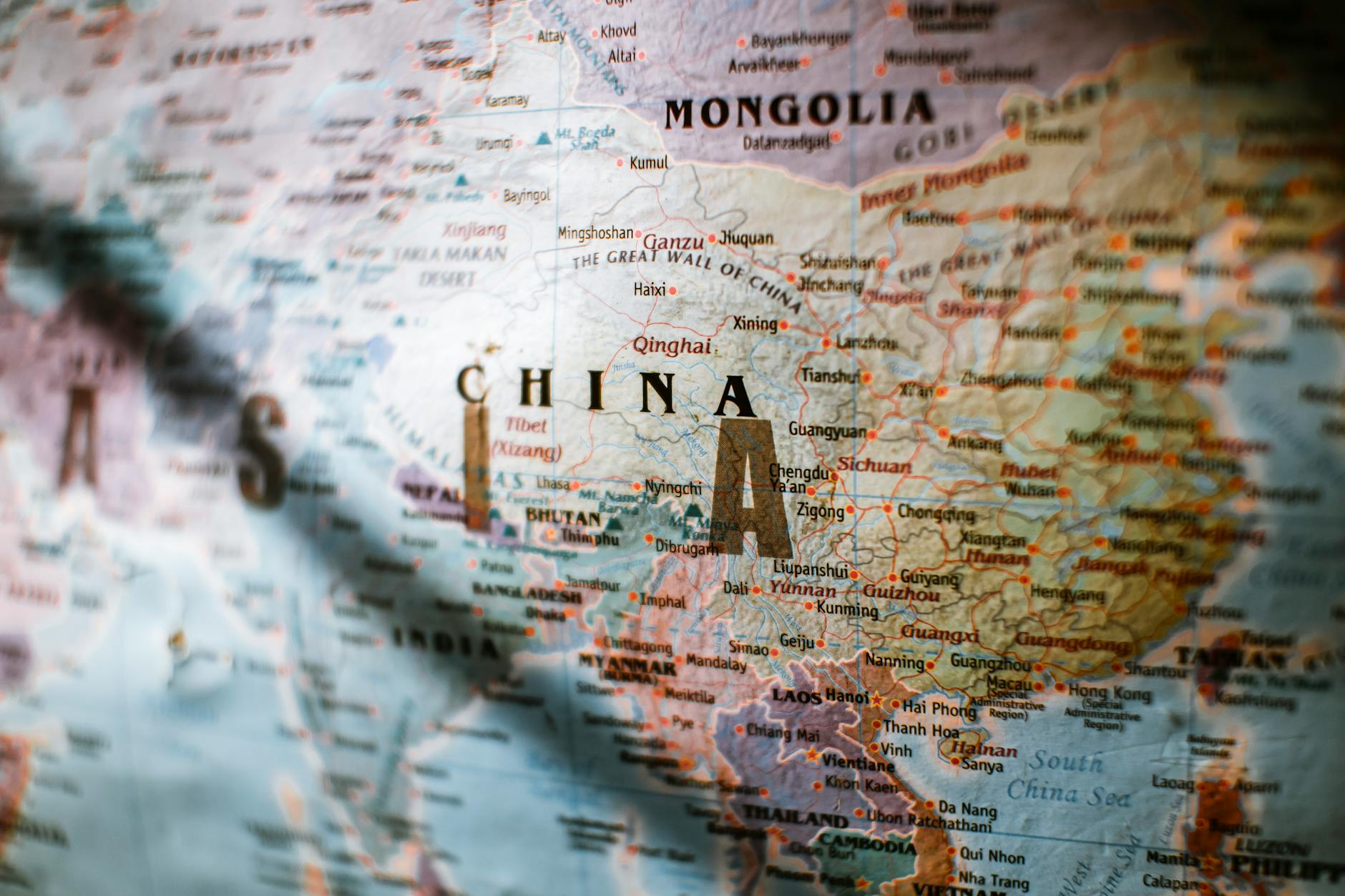
The Asia-Pacific’s strategic temperature is rising, even if no single flashpoint has tipped into war. China’s routine air and naval pressure around Taiwan, including crossings of the median line, continues to shape the region’s security mood and reinforces a pattern of gray-zone coercion rather than headline-grabbing escalation. [1]
That steady pressure matters because it is happening alongside a broader tightening of alliance and counter-alliance behavior. This month’s regional activity included major multinational drills condemned by North Korea, joint defense cooperation among Indo-Pacific partners, and continuing efforts by governments to signal readiness without crossing red lines. [1][2]
The result is a region defined less by a single crisis than by overlapping ones. Taiwan, the Korean Peninsula, the South China Sea and the Pacific island space are all being pulled into a wider contest over who sets the security rules and who gets to enforce them. [2][7]
For smaller states, that creates a difficult balancing act. They are being pressed to clarify positions on maritime law, military access and strategic alignment at a time when economic dependence on China, security reliance on the United States and regional uncertainty are all rising together. [3][7]
The danger is not only military miscalculation. It is also the accumulation of incidents, exercises and rebuttals that make the region more brittle, less forgiving and increasingly prone to crisis by exhaustion rather than by design. [1][3]