The New Mood of Entertainment
Pop culture in 2026 is not lacking for content; it is lacking for consensus. The modern entertainment system still produces a torrent of films, albums, series, clips, scandals and micro-moments, but the audience that once moved together is now splintered into smaller, faster and more self-aware tribes. The result is a strange cultural mood: less innocence, more appetite; less collective awe, more fragmented obsession.
That shift is visible everywhere. The social platforms that now shape taste reward brevity, irony and utility more than polish. A recent August report on Instagram and TikTok trends points to episodic short-form video, behind-the-scenes content, social search and quieter storytelling as the month’s defining formats, while major film, television and music moments continue to provide the raw material for remixes, edits and fan discourse. In other words, culture no longer arrives as a finished object; it enters the feed as an ingredient. The audience assembles meaning afterward.
This is a decisive break from the streaming-era promise that abundance would naturally produce loyalty. Instead, abundance has produced fatigue. The long binge, once the default triumph of prestige television, is losing its prestige. A pop-culture trend list this year explicitly celebrated the “delightful insanity” of returning to weekly episodes, as if people had remembered that anticipation itself is part of the pleasure. That is not merely a nostalgia for appointment viewing. It is a response to a market that over-delivered convenience and under-delivered shared excitement.
The Streaming Wars Enter Their Maturity
The streaming wars were once narrated as an all-out land grab: every legacy studio needed a platform, every platform needed subscribers, and every subscriber needed to believe that one more service would be the final one. That phase is over. What remains is a more sober contest over attention, retention and mood. Services are no longer selling volume alone; they are selling identity, and increasingly, differentiation through scarcity.
The logic is visible in the return of weekly release strategies and in the renewed emphasis on live or semi-live cultural moments. Streaming has not killed appointment culture; it has redistributed it. Fans now gather around release windows, cliffhangers, surprise cameos, soundtrack drops and the brief social-media afterglow that follows a much-discussed episode. The prize is not simply the view; it is the conversation. The platform that can still make people feel that they are watching culture happen in real time has an advantage that no algorithmic recommendation engine can fully manufacture.
At the same time, the economics of endless production are under pressure. Budgets are tightening, subscriber growth is less magical than before, and the audience has become more skeptical of prestige for its own sake. A show is no longer automatically treated as an event because it is expensive, star-studded or branded as “must-watch.” It has to earn its urgency. That demand for urgency is reshaping not just distribution but also storytelling. Fewer projects are built to be universally liked; more are engineered to provoke communities, not merely please them.
Music’s Return to Specificity
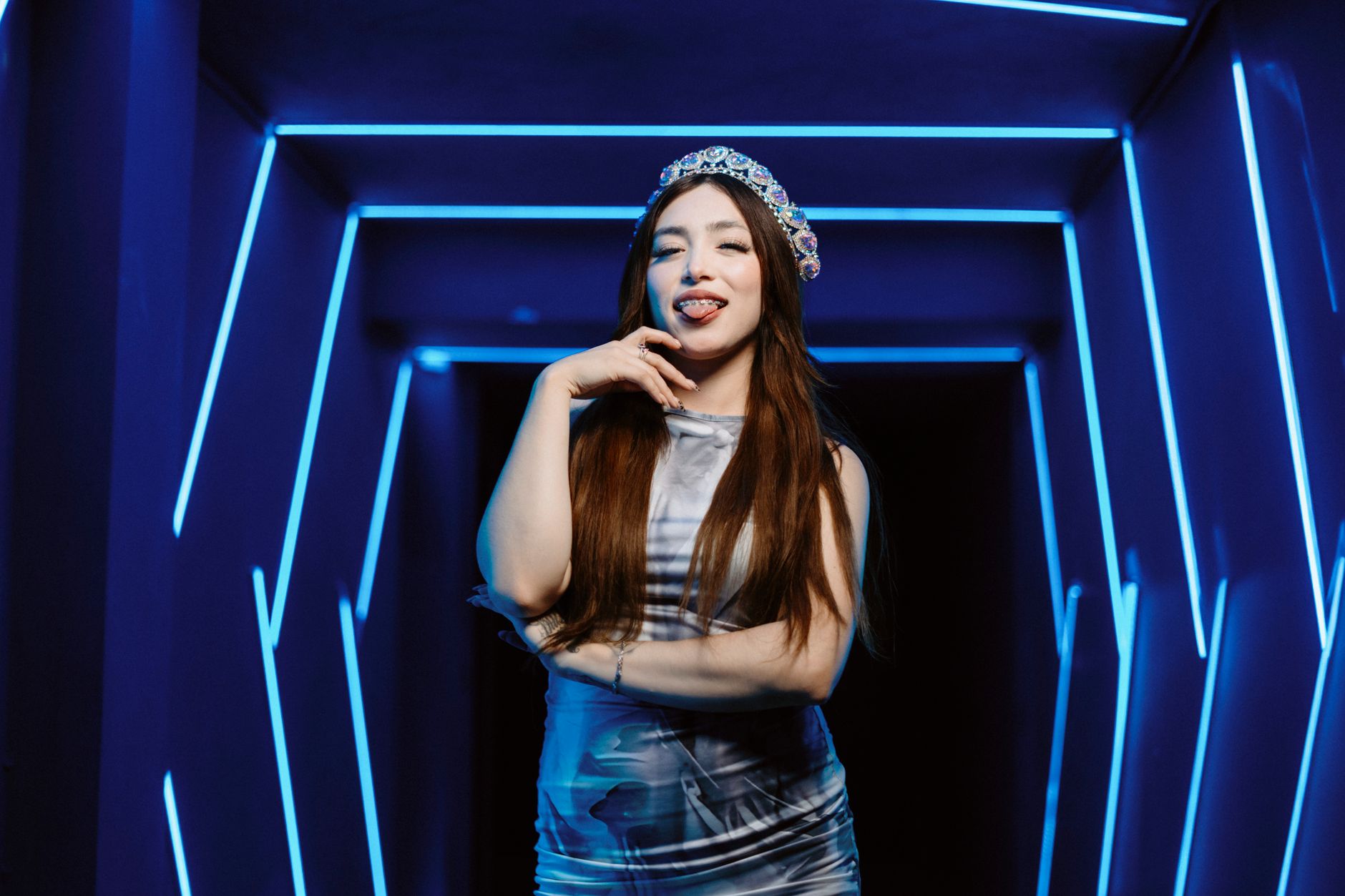
If streaming turned music into an always-on service, social media has turned it back into a set of identifiable scenes. In 2026, pop music appears to be moving away from a bland, algorithm-friendly center and toward more distinguishable personalities. One trend forecast bluntly described a “waving goodbye” to the homogenized sound associated with the year’s more generic radio pop, while welcoming a new era of distinctive pop stars. That description may be internet-provocative, but the underlying point is real: sameness no longer scales the way it once did.
The music industry has spent years optimizing for frictionless listening, but friction has become marketable again. Artists now benefit from a clear point of view, even when that point of view is messy, comic, sensual or overly theatrical. Sabrina Carpenter’s current visibility is instructive in this respect: her appeal depends not just on hooks but on a polished persona that feels willing to wink at itself. The contemporary pop star must be both aspirational and memeable, both controlled and slightly unruly. Authenticity has not disappeared; it has become a performance style.
There is also a generational dimension. Younger audiences, accustomed to music arriving through clips and edits rather than albums, reward immediate emotional legibility. A chorus needs to be quotable before it is timeless. A visual identity needs to travel as quickly as a melody. Festival season, new releases and the reappearance of scene-making artists all feed a culture in which music is less a sealed product than a social event with audio attached.
That does not mean the album is dead. It means the album must now compete with the logic of the feed. The artists winning in 2026 are those who understand that songs are no longer just songs; they are raw material for performance, self-curation and online affiliation.
Celebrity as Crisis Management
Celebrity culture has always thrived on contradiction, but the contradiction has become more visible and more exhausting. Stars are expected to be intimate without being available, authentic without being ordinary, and politically fluent without sounding rehearsed. Every public misstep now has the potential to become a week-long narrative, with commentary amplified across platforms that reward moral certainty and rapid escalation.
This creates a celebrity environment in which controversy is not an interruption to the brand but part of the brand’s operating system. The public no longer expects stars to be spotless; it expects them to be legible under pressure. That may explain why some figures survive scandal better than others. A celebrity with a coherent persona can sometimes absorb outrage by converting it into narrative continuity. A celebrity with no obvious core is more vulnerable, because there is nothing stable for fans to defend.
The scandal cycle itself has become more procedural. Allegations, apology statements, fan reactions, brand distancing, then eventual reinvention: the rhythm is familiar, almost industrial. But what has changed is the audience’s relationship to judgment. People are not simply consuming controversies; they are using them to signal taste, allegiance and social position. The controversy is content, but it is also a referendum on who gets to belong.
That is one reason celebrity discourse remains so resilient. It offers an apparently light arena in which deeper social anxieties can be rehearsed: power, gender, class, race, labor, desirability and control. What looks like gossip often functions as cultural governance. The internet does not merely react to famous people; it tests the rules by which fame is granted and withdrawn.
The Social Trends Behind the Aesthetic Shift
The most revealing pop-cultural trend of 2026 may be not a single star or title but a broader taste for irony, informality and controlled imperfection. Several trend analyses describe a turn toward “unseriousness,” darker humor, and content that feels less polished and more socially useful. That is not just an aesthetic preference. It is a response to chronic overload.
When every image can be filtered, every voice can be optimized and every identity can be packaged for engagement, the new luxury becomes texture: handwritten notes, scrapbook-style layouts, imperfect edits, visible mess. On Instagram and TikTok, the most effective formats are increasingly those that feel like evidence of a life rather than an advertisement for one. Even when content is carefully engineered, it often performs spontaneity.
This explains why the culture is moving toward what might be called curated realism. Audiences do not want rawness in the literal sense; they want the sensation that a creator or star has not fully flattened themselves into brand language. The same logic underlies the appeal of behind-the-scenes footage, casual vlogs, reaction clips and fan theories. These forms create the impression that culture is happening somewhere adjacent to the official product, in a space where personality still matters.
It also explains the return of certain social rituals. The collective viewing of reality television, the renewed pleasure in weekly episodes, the feverish reinterpretation of trailer drops and concert videos: all are attempts to restore a sense of participation. The audience wants to matter again. In an environment dominated by recommendation systems, that desire can look quaint. It is not. It is a rational adaptation to the loneliness of infinite choice.
What the Culture Industry Learns Next
The deeper lesson of 2026 is that the entertainment business can no longer depend on scale alone. Bigger libraries, bigger budgets and bigger platforms are no longer enough to guarantee cultural power. The winners are those who can create a rhythm of anticipation, a feeling of specificity and a vocabulary that audiences want to repeat. In the era of endless choice, repeatability is influence.
That has implications across film, television, music and the creator economy. Studios will keep chasing franchises, but the franchise itself is changing: it now needs social legs, identity hooks and modular moments that can be clipped, debated and remixed. Musicians will keep pursuing virality, but virality now rewards character as much as polish. Streaming platforms will keep consolidating, but their value will increasingly depend on whether they can host events rather than merely host libraries.
The culture industry has often treated novelty as its highest virtue. In 2026, novelty matters less than intelligibility. The audience wants to recognize itself inside the product. That does not mean the public has become less adventurous. It means people are more selective about what deserves their attention, their irony and their emotion.
For the moment, pop culture remains intoxicating precisely because it is unstable. It is both more dispersed and more collective than before, both more cynical and more sentimental, both more contrived and more honest about being contrived. The old fantasy was that the industry could manufacture a shared world. The new reality is that it can only offer a set of signals and hope that enough people choose to gather around them.
That may sound like a diminished ambition. It is actually the condition of contemporary fame. In a culture that has learned to distrust its own spectacle, the rarest commodity is not attention but conviction. The platforms still flood the zone. The audience, meanwhile, is learning to ask a harder question: not what is everyone watching, but what still feels worth caring about.