The Theater of Negotiation Collapses Before Our Eyes
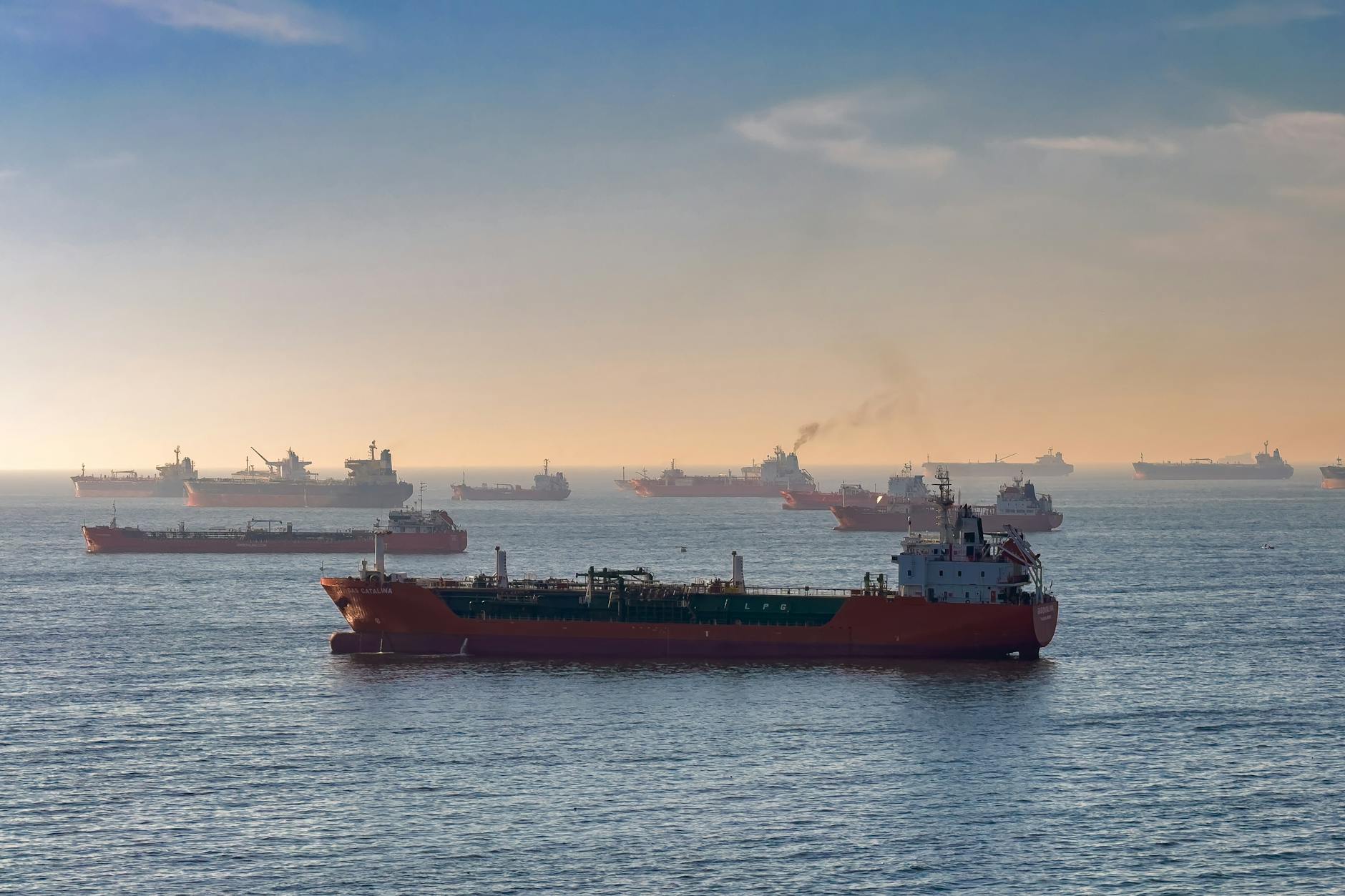
In the annals of failed diplomacy, few moments capture the desperation of peacemaking quite like watching both sides frantically reverse course within a single news cycle. On the Strait of Hormuz, the world's most strategically vital waterway, this tragic farce has reached its crescendo. What began as a tentative reopening of the critical shipping lane—a symbolic gesture toward de-escalation between Washington and Tehran—has deteriorated into renewed confrontation, mutual accusations of ceasefire violations, and the reimposition of the very blockade that nearly triggered wider regional catastrophe.
The sequence of events reads like a masterclass in how geopolitical tensions survive even when both parties claim to want peace. A United States Navy destroyer seized an Iranian-flagged cargo vessel in the Gulf of Oman, with the Trump administration asserting the ship violated an American blockade on Iranian ports. Iran, predictably, denounced the seizure as a violation of the ceasefire agreement brokered earlier this month. Within hours, Tehran reversed its brief decision to reopen the Strait of Hormuz, effectively restoring the closure that has strangled global commerce since the joint U.S.-Israeli operation against Iran commenced on February 28.
What we are witnessing is not the breakdown of a peace process. Rather, it is the exposure of a peace process that was always hollow—a temporary cessation of hostilities masquerading as genuine diplomatic progress.
The Numbers Behind the Silence
To understand the stakes, one must grasp the absurd centrality of this single waterway to global economic life. The Strait of Hormuz facilitates the transit of approximately 20 percent of the world's daily oil consumption. When it closes, the reverberations travel instantaneously through every economy tethered to affordable energy. American consumers felt this almost immediately: gasoline prices have climbed to $4.04 per gallon, a metric that translates directly into electoral consequence for the Trump administration.
The brief opening of the Strait triggered a predictable market response. Global oil prices tumbled over the weekend, as traders calculated that the flow of crude might finally normalize. That optimism lasted roughly 24 hours. The reclosure has wiped away those gains and restored the premium that geopolitical risk commands in commodity markets.
For airlines and shipping companies, the calculus has become untenable. Air Canada has suspended flights from Toronto and Montreal to New York's JFK airport for five months, citing unsustainable fuel costs. Spirit Airlines, already fragile from years of competitive pressures, is reportedly seeking emergency government funding to avoid collapse. These are not abstract economic indicators. They represent real disruptions to the lives of millions of people who will pay higher fares, endure cancelled flights, and absorb the costs of logistical inefficiency.
The Ceasefire That Never Was
The two-week ceasefire, which expires on Wednesday, was always more gesture than substance. Both Washington and Tehran agreed to the arrangement under intense international pressure and mutual recognition that further escalation could spiral into something neither side could control. But a ceasefire is merely a pause, not a resolution. It creates space for negotiation, assuming both parties actually intend to negotiate in good faith.
The evidence suggests otherwise. U.S. and Iranian officials are scheduled to meet in Pakistan this week for a second round of peace talks, but the backdrop has shifted dramatically. The seizure of the Iranian vessel has poisoned the atmosphere. Tehran interprets the action as evidence that Washington never intended to ease its campaign of economic strangulation through blockade. American officials counter that Iran violated the terms by defying the port restrictions.
This is the fundamental problem: neither side trusts the other's commitment to the underlying arrangement. Each interprets ambiguous actions through the lens of worst-case assumptions. A cargo ship carrying legitimate commerce becomes evidence of sanctions evasion. A port blockade becomes proof of continued aggression. In this environment, negotiation becomes merely the continuation of conflict by other means.
The Broader Strategic Stalemate
The Trump administration's strategy toward Iran appears to rest on two contradictory pillars. The first is maximum pressure—maintaining the blockade, threatening military action, and presuming that economic pain will eventually force Tehran to capitulate to American demands. The second is diplomatic engagement, predicated on the theory that limited talks and temporary ceasefires can eventually yield a comprehensive agreement.
These approaches are fundamentally incompatible. Iran cannot negotiate credibly while under siege. The Islamic Republic's leadership cannot justify concessions to its domestic constituencies when American forces are actively seizing its vessels and maintaining a blockade designed to strangle its economy. Conversely, the Trump administration cannot credibly claim commitment to diplomacy while enforcing maximum pressure.
What we observe instead is the worst of both approaches: enough military pressure to generate grievance and resentment, but not enough diplomatic flexibility to create the conditions for genuine settlement. This is a recipe for indefinite tension punctuated by periodic crises.
The Costs of Perpetual Brinkmanship
President Trump's approval ratings have fallen to historic lows, according to recent polling, and it is not difficult to discern why. Americans are paying $4 per gallon at the pump because of a conflict in a region most voters could not locate on a map. Airlines are abandoning major routes. Supply chains remain disrupted. The global economy is being held hostage to a bilateral dispute that neither side seems equipped to resolve.
Yet the Trump administration appears to interpret these signals as vindication of its hardline approach. The president warned that the United States would not tolerate what he characterized as Iranian blackmail, underscoring the fragile state of negotiations. This rhetoric serves a domestic political function—it projects strength and resolution to a base that values tough talk. But it also forecloses the diplomatic flexibility that any genuine settlement would require.
Iran faces mirror image pressures. The Islamic Republic cannot afford to appear weak before its own population and rival factions within its government. Any concessions to American demands will be weaponized by domestic critics as capitulation. The result is that both governments are trapped in a cycle where domestic political constraints prevent the very compromises necessary for peace.
What Comes After Wednesday
When the ceasefire expires on Wednesday, the world will have a clearer picture of whether genuine diplomacy remains possible. If both sides allow the truce to lapse without renewal, the risk of unintended escalation increases exponentially. A single miscalculation—a misidentified vessel, a trigger-happy naval commander, a rhetorical escalation interpreted as intent—could transform a regional crisis into something far more catastrophic.
The Strait of Hormuz would likely remain closed, delivering a devastating blow to the global economy already fragile from years of trade wars and supply chain disruption. Oil prices would spike, triggering recession in energy-dependent nations. Insurance costs for shipping would soar, raising prices for consumer goods across every developed economy.
Alternatively, both sides might agree to extend the ceasefire, kicking the fundamental questions down the road once more. This would provide temporary relief but guarantee that the underlying tensions remain unresolved, with the knowledge that another crisis point approaches inexorably.
The Verdict on American Statecraft
What the unraveling of these peace efforts reveals is a broader crisis in American diplomatic capacity. The seizure of the Iranian vessel, framed as necessary enforcement of blockade rules, accomplished little beyond demonstrating that the United States can inflict pain but cannot compel compliance. It signaled to Tehran that the blockade will not be lifted, that American military power remains poised to interrupt Iranian commerce, and that the ceasefire was never intended as a genuine reset.
This is not strategy. It is the performance of strategy, theater designed to satisfy domestic political constituencies while actual resolution remains impossible. Genuine peacemaking requires the willingness to accept outcomes that feel unsatisfying to all parties involved—compromises where neither side gets everything it wants but both sides gain more than they would through continued conflict.
There is no evidence that the Trump administration is prepared to make such compromises. The blockade will remain. The Strait will stay closed or open only at American sufferance. The ceasefire will either expire or be extended as a meaningless interregnum. And the global economy will continue paying the price for a conflict that diplomacy has proven too weak to resolve.
The great tragedy is not that peace failed. It is that no one seriously attempted it.


