A World on Edge
In the spring of 2026, the global economy teeters on a knife's edge. The International Monetary Fund's latest World Economic Outlook paints a sobering picture: global growth has been downgraded to 3.1 percent for the year, a notch below January forecasts, while headline inflation climbs to 4.4 percent. Downside risks, the IMF cautions, are 'clearly very elevated.' Energy disruptions, stubborn price pressures, and tightening financial conditions have pushed the world closer to an 'adverse scenario' where growth could slump to 2.5 percent and inflation to 5.4 percent. In a severe case, with prolonged supply shocks spilling into 2027, output might contract to 2 percent annually, with prices exceeding 6 percent.
Independent economists echo this fragility. 'We're not looking at a shock like the OPEC oil crisis, but the economy is very fragile,' John Simon told Sky News. 'It could certainly go badly... it's just one thing after another.' This is no isolated tremor; it's a confluence of crises—inflation's resurgence, recession fears, resurgent trade wars, snarled supply chains, and acute housing distress—that demands scrutiny.
'Downside risks are clearly very elevated.' — IMF World Economic Outlook, April 2026
Inflation's Stubborn Return
After years of disinflationary progress, inflation refuses to fade quietly. Headline figures mask a more insidious core persistence: in the United States, personal consumption expenditure core inflation lingers above target, while globally, expectations have ticked up. The IMF projects core inflation marginally higher at around 2.7 percent this year, expected to ease only by 2027. But energy shocks—oil prices spiking amid geopolitical tensions in the Middle East and supply bottlenecks—have amplified second-order effects. Food and commodity prices, particularly sensitive barometers, are rising, hitting emerging markets hardest as currencies depreciate.
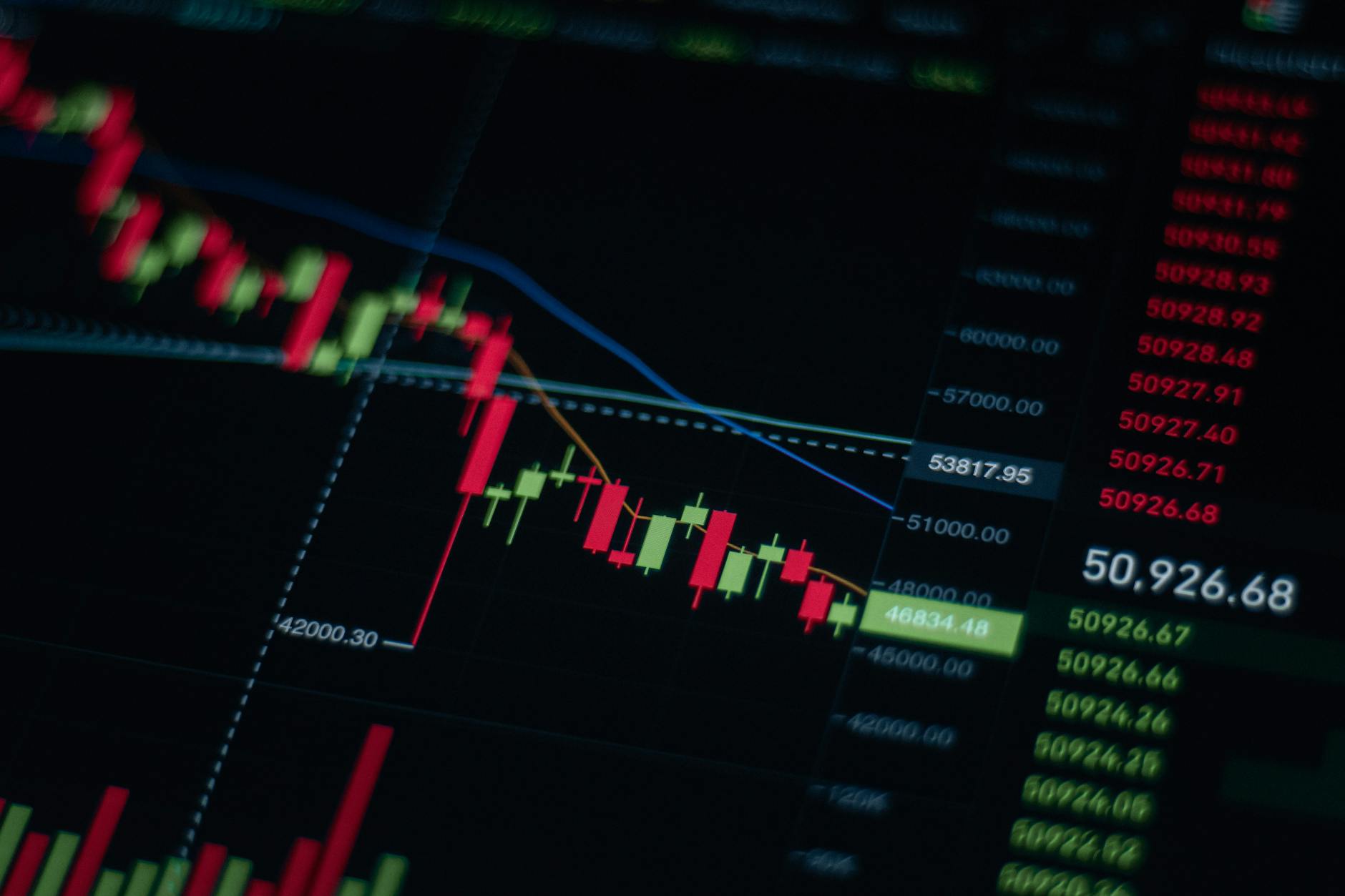
Financial markets reflect the unease. Bond yields have climbed on inflation resurgence fears, equities have dipped, and the US dollar's strength has squeezed commodity importers. Emerging markets, especially those with preexisting vulnerabilities, face amplified pain: sovereign spreads widen, corporate risk premiums balloon by up to 200 basis points in a downside scenario. 'Inflation is going to be there,' an IMF official noted in a press briefing. 'We're projecting 4.4 percent this year... expected to fade into next year.'
Central banks, caught between doves and hawks, tighten policy amid these pressures. The Federal Reserve and European Central Bank have hiked rates, but calibration is key. Missteps could tip shallow recession risks into deeper troughs. Policymakers are urged to avoid over-pressuring their banks or splurging fiscally, a tall order as electorates demand relief.
Recession Whispers Turning to Roars
The IMF's baseline is precarious enough, but adverse scenarios loom large. A further energy disruption could unwind recent gains: European and Asian gas prices might surge 160 percent above baseline in Q2 before partially receding by 2027, with food commodities up 2.5 percent. Inflation expectations could rise 130 basis points in emerging markets by 2027, eroding confidence and amplifying macro instability.
Advanced economies aren't immune. The US, buoyed by consumer spending, faces headwinds from higher borrowing costs and a cooling labor market. Europe grapples with energy dependence, while China's property woes ripple outward. Globally, growth momentum has weakened, reminiscent of the decade post-2008 recession chronicled by the World Bank. That era's lessons—fiscal prudence amid downside risks—seem forgotten as deficits balloon.
Simon warns of a 'shallow recession' if policies are finely tuned, but fragility abounds. Supply shocks compound demand pressures, and financial tightening risks a credit crunch. The World Bank's historical lens underscores the peril: post-recession recoveries are brittle, prone to relapse without structural reforms.
Tariffs and the Trade War Revival
No analysis of 2026's tumult omits trade. Tariffs, once a Trump-era relic, have roared back under new protectionist banners. The US has slapped 25 percent duties on Chinese imports, citing national security and supply chain resilience. The EU counters with levies on American tech and autos, while India and Brazil erect barriers against 'dumping.' This tariff tempest fragments global trade, already strained by post-pandemic snarls.
The IMF laments the efficiency losses: tariffs distort allocation, raise costs, and fuel inflation. Emerging exporters suffer most, with currencies weakening further. In the baseline forecast, trade growth lags GDP, but adverse scenarios amplify this via risk-off sentiment. Corporate supply chains, reconfigured for 'friendshoring,' now face higher costs and delays. A semiconductor shortage redux looms as US-China tensions bar critical inputs.
Historical parallels abound. The 1930s Smoot-Hawley debacle deepened the Depression; today's skirmishes risk similar beggar-thy-neighbor spirals. Yet proponents argue strategic decoupling bolsters security. Beijing accelerates self-reliance in chips and EVs, while Washington subsidizes domestic production via the CHIPS Act extensions. The net effect? Slower global integration, higher prices, and recessionary impulses.
Supply Chains in Tatters
Trade wars exacerbate supply chain woes. The pandemic exposed just-in-time vulnerabilities; now, energy volatility and tariffs compound them. Container shipping rates have doubled since January, per Drewry indices, as Red Sea disruptions reroute vessels around Africa. Factories idle for lack of parts—autos in Germany, electronics in Taiwan.
Commodity importers bear the brunt. Higher energy and food prices trigger imported inflation, depreciating currencies exacerbate pass-through. The IMF's adverse scenario models precisely this: amplification via financial markets, where risk premiums spike and equity sell-offs ensue. Emerging Asia and Latin America, reliant on volatile imports, teeter closest to crisis.
Reshoring sounds noble but stumbles in execution. US factory builds lag subsidies, skilled labor shortages persist, and costs exceed expectations. Multinationals hedge with diversified footprints—Mexico booms as nearshoring hub—but transition frictions drag growth. In this environment, recession fears intensify as inventories deplete and capex freezes.
The Housing Crisis Cascade
Layer atop this a global housing crunch. In the US, mortgage rates above 7 percent have frozen markets; existing-home sales hit 30-year lows. Inventory scarcity, fueled by pandemic lock-ins and investor hoarding, prices out millennials. The UK fares worse: London's affordability crisis sparks social unrest, with rents up 15 percent year-over-year.
Canada and Australia, once poster children for booms, now contend with busts. Overleveraged households face variable-rate pain as central banks hike. China's Evergrande hangover morphs into systemic drag, with ghost cities and developer defaults curbing construction. Globally, residential investment—a cyclical bellwether—contracts, sapping 0.5 percentage points from GDP per IMF estimates.
This feeds recession risks. Wealth effects erode spending; construction jobs vanish. In advanced economies, fiscal responses tempt but strain budgets already ballooned by green transitions and defense outlays. Emerging markets, with dollar debts, risk defaults as property collateral evaporates.
Policy Pivots and Precarious Paths Ahead
What prescriptions emerge? The IMF urges caution: targeted fiscal support over blanket stimulus, coordinated monetary easing if inflation crests, and trade diplomacy to temper tariffs. Yet politics confound. US midterms loom with populist tariff pledges; Europe's fragmentation hampers unity; China's opacity veils stimulus scale.
Structural fixes beckon: diversify energy sources, invest in supply chain redundancies, reform zoning for housing supply. But time is short. A shallow recession remains probable, per experts, but the severe scenario—2 percent growth, 6 percent inflation—gains traction if shocks persist.
The global economy's fragility is no abstraction. It manifests in factory whistles silent from Shanghai to Stuttgart, grocery bills straining budgets from Mumbai to Manchester, and policymakers' sleepless nights. As Simon intones, 'something to be nervous about.' Nervousness, however, must yield to resolve. The coming quarters will test whether leaders calibrate finely or court calamity.
(Word count: 1,728)