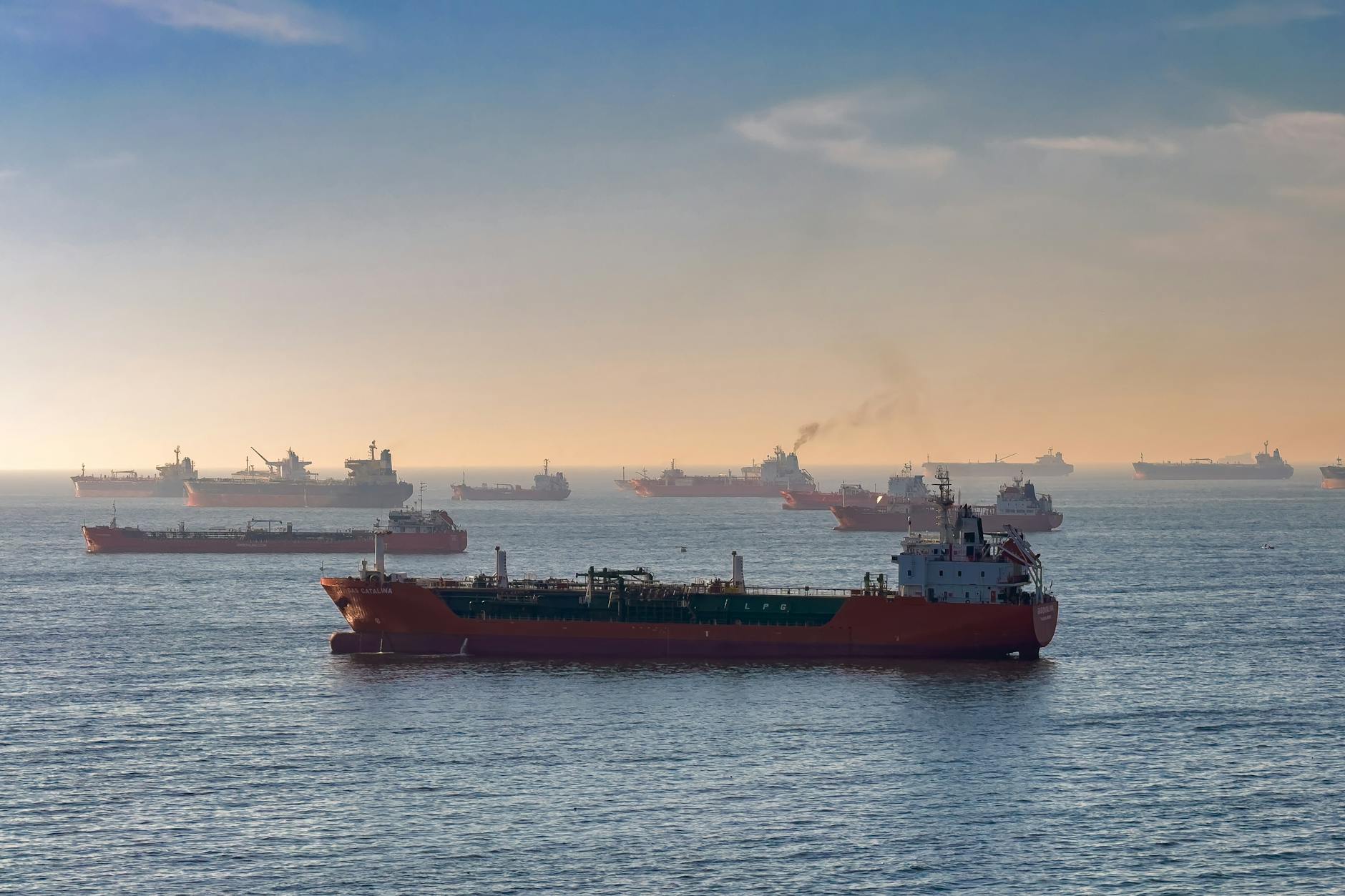
The Trump administration is sending contradictory signals on Iran just as negotiations appear to be gaining traction. President Trump told PBS News Hour on Wednesday there's a 'very good chance' of reaching a deal with Tehran to end the ongoing conflict, while simultaneously announcing the U.S. has paused Operation Epic Fury—a military initiative to escort commercial shipping through the Strait of Hormuz—to explore diplomatic options. Yet the very existence of such operations, combined with Pentagon activity labeled Project Freedom, suggests the administration is simultaneously hedging with military pressure. Secretary of State Marco Rubio has been framing ceasefire possibilities while remaining vague about what concessions the U.S. might offer. The intelligence community has reportedly grown concerned about the incoherence between State Department messaging and Department of Defense positioning. A blockade of the Strait of Hormuz would trigger global economic consequences, particularly spiking oil prices—a reality underscored by the national average for gasoline jumping 6 cents overnight mid-week. Trump's dealmaking instincts may produce results, but the administration's lack of unified public messaging risks either emboldening Iranian hardliners or spooking markets as negotiations inch forward. The window for clarity is narrowing.