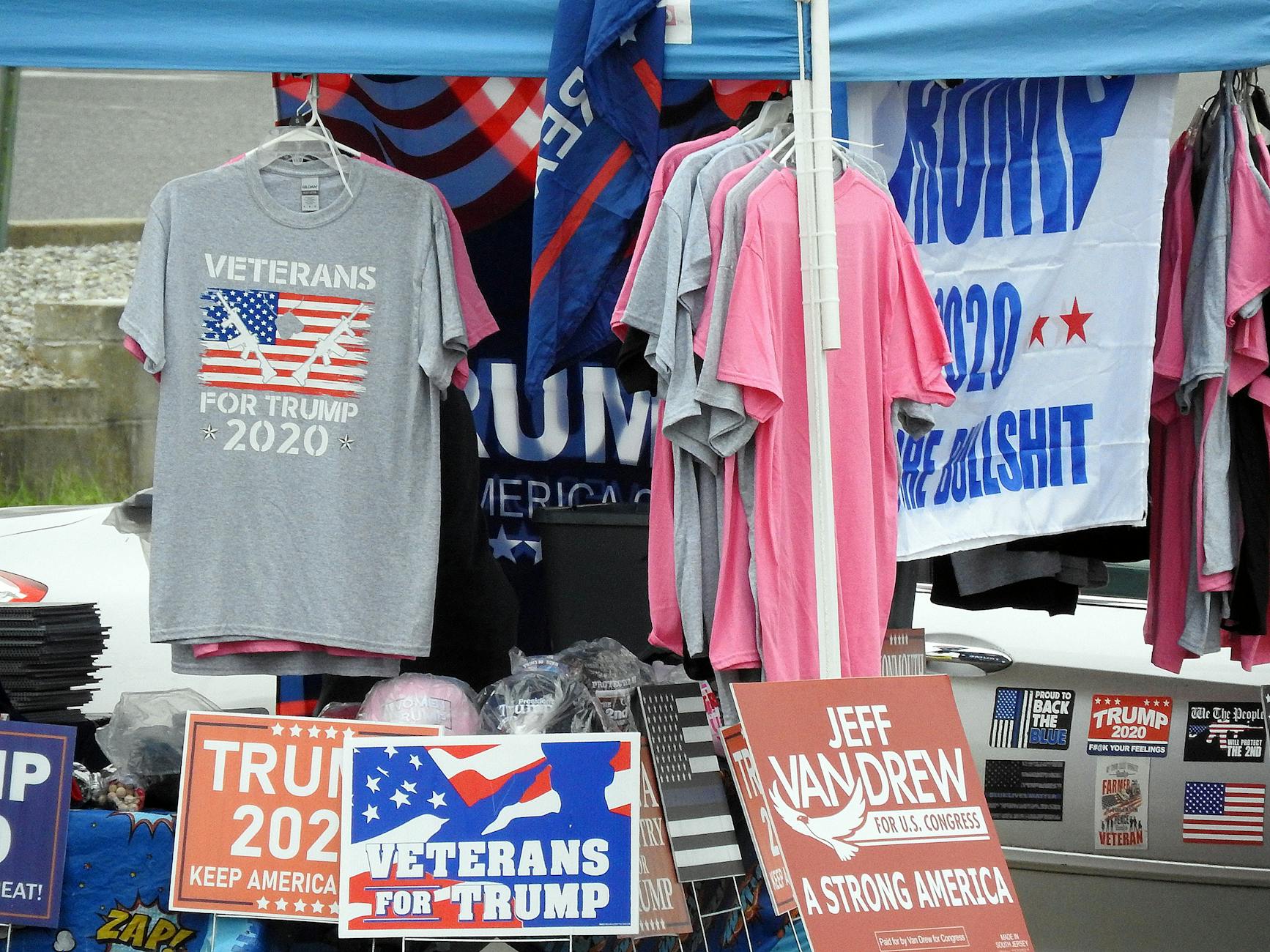
Texas Republicans have escalated their political messaging against the state's Muslim community as the 2026 campaign cycle heats up, a development that underscores how religious identity politics are becoming a central organizing principle of GOP electoral strategy. The campaigns have shifted from economic messaging and border security into more explicitly sectarian territory, with politicians amplifying concerns about Islamic influence and demographic change. Civil liberties organizations and Muslim advocacy groups have documented a pattern of campaign materials that employ dog-whistle rhetoric and explicit appeals to religious anxiety. The timing is significant. Texas remains a battleground state where demographic change has made both parties aggressive in their coalition-building. Republicans are attempting to consolidate white evangelical voters and culturally conservative Democrats who may be persuadable on identity issues. The risk is substantial. History demonstrates that campaign-season religious scapegoating frequently translates into real-world discrimination—harassment, employment barriers, and occasional violence. The FBI has already launched an investigation into potentially coordinated intimidation tactics. Democratic operatives are betting that independent voters and suburban moderates will recoil at this messaging, but that gamble depends on sustained media attention and coalition discipline. For now, the Texas campaign environment reveals an uncomfortable truth: both parties have concluded that cultural division is more electorally potent than economic messaging. The Muslim community's experience suggests they're right.