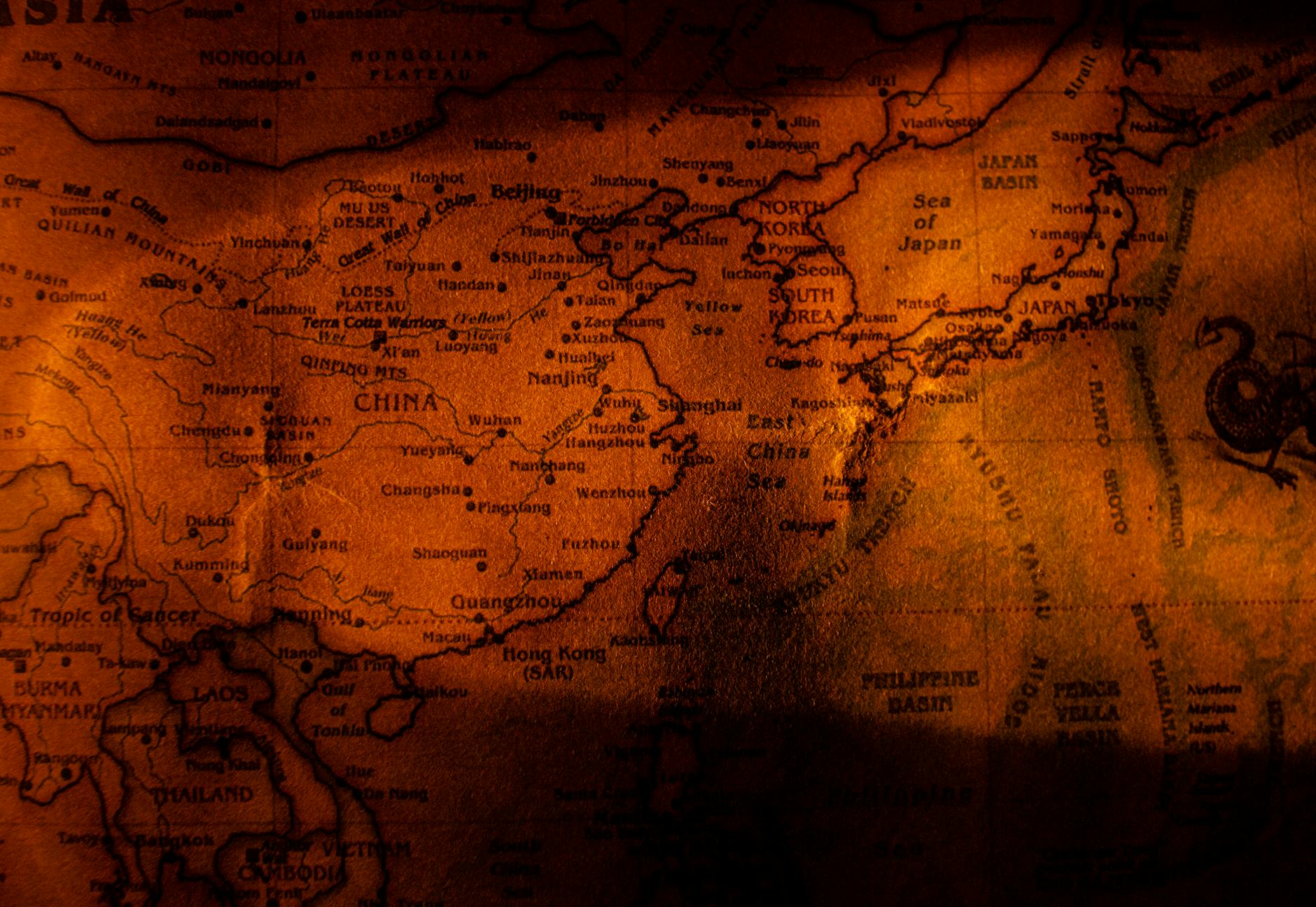
The South China Sea's militarization hits fever pitch in 2026, with China poised to operationalize logistics hubs in the Solomon Islands and bolster Paracel-Spratly outposts. These moves target oil and gas riches beneath contested waters, while securing sea lines of communication (SLOCs) from Malacca to Luzon. Beijing's playbook—drones, hypersonics, electromagnetic warfare—arms not just its navy but Global South proxies like Pakistan and Iran.
Washington counters by rallying allies around Taiwan and Philippine straits, where geography dictates trade flows from OPEC to East Asia. Senkaku frictions with Japan and Korean tensions amplify the stakes, as superpowers vie for chokehold supremacy. ASEAN's strategic heterogeneity—hedging between giants—breeds insecurity, with Vietnam and Indonesia bulking up patrols.
Trade data masks the peril: ASEAN's manufacturing boom, absorbing China's overflow, hinges on open seas. Disruptions here would spike energy costs and cripple electronics exports to the US. NATO's peripheral gaze, distracted by Russia, leaves Pacific partners to self-organize.
2026's risk calculus favors no victors. China's export prowess funds its arsenal, but overreach invites 'quasi-alliance' pushback from Japan-Australia pacts. Flashpoints like Miyako gaps demand agility, not brinkmanship, lest SLOCs become battlegrounds.