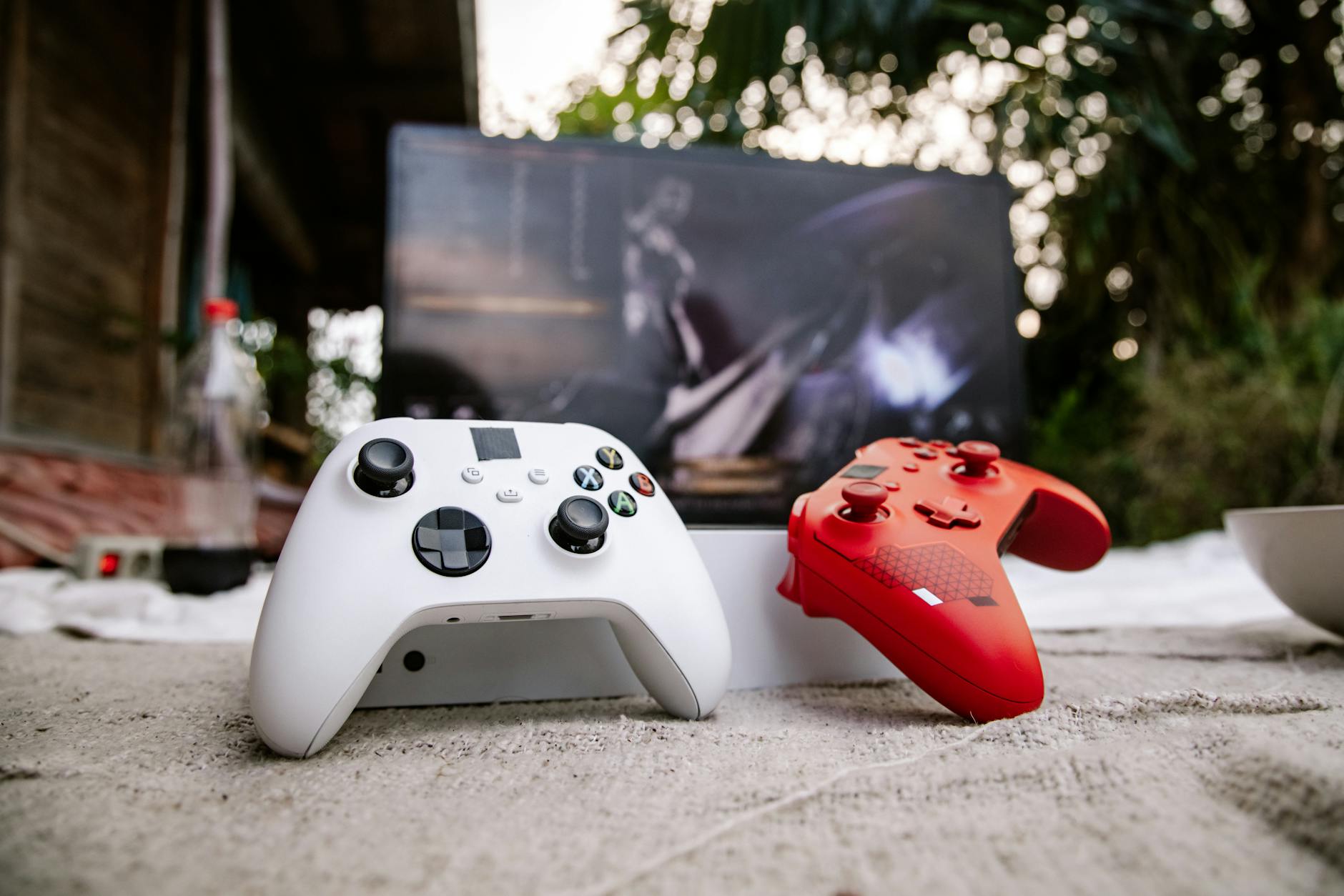
The Return of Xbox
In a move dripping with nostalgia and strategic calculation, Microsoft has shed the 'Microsoft Gaming' moniker it adopted after its $69 billion Activision Blizzard acquisition, reverting to the simpler, punchier 'Xbox.' Announced this week by new Xbox CEO Asha Sharma and Chief Content Officer Matt Booty, the rebrand signals more than a branding refresh—it's a declaration of war on complacency in an industry where player attention is the ultimate currency.
The timing is telling. It's May 2026, and Xbox finds itself squeezed between Nintendo's unassailable family-friendly fortress and Sony's cinematic juggernauts. With over 500 million monthly active users across platforms, Microsoft is pivoting hard toward 'daily active players' as its north star metric—a shift borrowed from social media giants like Meta and TikTok, where retention trumps one-off sales. No longer will success be measured by quarterly console shipments or annual revenue spikes; instead, Xbox leaders promise to obsess over how many gamers log in every single day.
'Our best work happens when the full stack moves together,' Sharma and Booty wrote in their manifesto-like blog post. 'Microsoft Gaming describes our structure but it does not describe our ambition. So, we are going back to where we started and changing our team's name. We are Xbox.'
This isn't mere semantics. It's a response to a brutal 2026 reality: Game Pass Ultimate subscriptions have plateaued after aggressive price hikes, Activision's Call of Duty integration has underwhelmed, and competitors are eating Microsoft's lunch in mobile and cloud. Sharma's first big swing? Slashing Game Pass Ultimate from $29.99 to $22.99 monthly while yanking new Call of Duty titles from day-one access—a reversal of last year's bundle that spiked prices 50% and alienated core fans.
Game Pass: From Revolution to Reckoning
Launched in 2017, Game Pass was Microsoft's Netflix moment, promising a vast library of games for a flat fee and positioning Xbox as the anti-Sony disruptor. At its peak, it boasted 34 million subscribers, fueling dreams of a subscription-dominated future. But 2026 has exposed the model's cracks. High-profile day-one releases like Starfield and the latest Call of Duty drove sign-ups but cannibalized full-price sales, irking publishers and straining Microsoft's balance sheet.
The price cut and content tweaks are a tacit admission: sustainability over growth. By removing blockbusters like Call of Duty from launch day, Microsoft aims to 'fortify Game Pass with clear differentiation and sustainable economics,' as Booty put it. Flexible pricing tiers are incoming, potentially including ad-supported options or mobile-only plans to capture the 3 billion-plus smartphone gamers worldwide.
Analysts are split. Wedbush Securities' Michael Pachter calls it 'a pragmatic retreat,' arguing that daily active users—potentially shifting to public reporting—better reflect engagement in a multi-device world. Others, like Ampere Analysis, warn that diluting day-one appeal could cede ground to Sony's PlayStation Plus, which now offers tiered bundles with cloud streaming and classics, amassing 47 million subscribers without the same fiscal hemorrhage.
Microsoft's broader toolkit includes reevaluating exclusivity, release windows, and AI integration. Expect fewer ironclad exclusives; games like the next Elder Scrolls or Sea of Thieves could hit PlayStation or Switch sooner, bolstering the 'play anywhere' ethos. AI, meanwhile, might power smarter matchmaking or procedural worlds, but Sharma emphasized ethical guardrails amid industry backlash over job losses to tools like Microsoft's own Copilot for devs.
Sony's Blockbuster Fortress
While Microsoft chases ubiquity, Sony doubles down on premium. PlayStation 5 has sold 65 million units since 2020, outpacing Xbox Series X/S's 32 million, thanks to tentpoles like God of War Ragnarök and the Horizon series. CEO Jim Ryan's strategy is unapologetic: high-margin exclusives that demand $70 price tags and justify $10 monthly Plus subscriptions.
Yet Sony isn't sleeping on subscriptions. PlayStation Plus Premium now streams 700-plus titles, including PC crossovers, and integrates with PC via PS5-shaped orbs that sync progress. Mobile is a blind spot—Sony's stalled efforts like PlayStation Vita's corpse and tepid Legends app have left it trailing. At GDC 2026, Sony devs touted 'future-proof' workflows for cross-device scaling, but without a killer app, it's lip service.
The real threat? Live-service fatigue. Hits like Helldivers 2 buoyed 2025, but flops like Concord cost $400 million and 150 jobs. Sony's response: a leaner studio slate, axing single-player experiments for multiplayer cash cows. As Ryan told investors, 'We're not in the volume business; we're in the prestige business.' With PS6 rumors swirling for 2028, expect VR integration and AI-enhanced narratives to keep the moat wide.
Nintendo's Joyful Insularity
If Microsoft is the sprawling empire and Sony the cinematic studio, Nintendo is the quirky kingdom, blissfully aloof. The Switch 2, launched last March, has already moved 45 million units, blending handheld portability with 4K docked power. Animal Crossing spin-offs and a Mario Kart battle royale keep daily engagement sky-high, with Nintendo reporting 150 million monthly actives—mostly non-subscribers.
Subscriptions? Nintendo Switch Online boasts 38 million users at $20 yearly, offering retro libraries and cloud saves but no day-one blockbusters. It's profitable because it's ancillary; Nintendo's model thrives on evergreen hits sold at full price across decades. Mario Odyssey still sells, Pokémon GO rakes mobile billions, and the April 2026 Super Mario Party Royale topped charts without a dime in marketing.
Critics call it stagnation—no cloud gaming push, no aggressive multiplatforming. But Nintendo's 2026 fiscal year projections top $15 billion, fueled by IP licensing from movies to theme parks. As President Shuntaro Furukawa said, 'We prioritize fun over platforms.' In a subscription-saturated world, that's a superpower.
Mobile: The Silent Giant
Desktop consoles fade into the rearview as mobile claims 60% of global gaming revenue—$110 billion in 2025, per Newzoo. China's miHoYo (Genshin Impact) and Tencent dwarf Western studios, with free-to-play gacha models printing money. Microsoft's play? King (Candy Crush) and Xbox Cloud Gaming, now eyeing Wi-Fi controllers to slash latency.
A Microsoft ads blog this April hailed gaming as 'advertising's most powerful ecosystem,' blending mobile reach, PC depth, and console immersion. Across King, Casual Games, and Xbox, it's a trifecta: daily mobile pings build habits, PC fosters loyalty, consoles deliver prestige. Project Helix, the next Xbox console teased by Booty, promises seamless cloud handoff to phones.
Sony dabbles via Crunchyroll ties, Nintendo via Mario Kart Tour. But mobile's real winners are independents like Supercell, whose Squad Busters blends battle royales with ads. Subscriptions here? Rare—Battle Pass models like Fortnite's generate $5 billion yearly without churn risks.
Fragmentation and the Future
The gaming wars are no longer console-centric; they're ecosystem battles. Microsoft's 500 million users span PC, cloud, and mobile, but converting dailies to revenue is the puzzle. Game Pass's revamp tests 'flexible pricing'—perhaps $10 ad-tier or $15 core, echoing Netflix's ad boom.
Risks abound. Regulators eye acquisitions after FTC blocks; AI ethics loom; and economic headwinds hit discretionary spend. Yet opportunities gleam: creator platforms like Minecraft (300 million users) and Sea of Thieves could spawn metaverse empires.
Sony bets on Hollywood polish, Nintendo on timeless charm, mobile on scale. Microsoft? It's all-in on engagement, betting daily logins forge loyalty no exclusive can match. As Sharma vows a 'challenger mindset,' Xbox's pivot could redefine success—or join the scrapheap of console also-rans.
In this $200 billion industry, the winner won't own the hardware. It'll own the habits.
(Word count: 1,728)