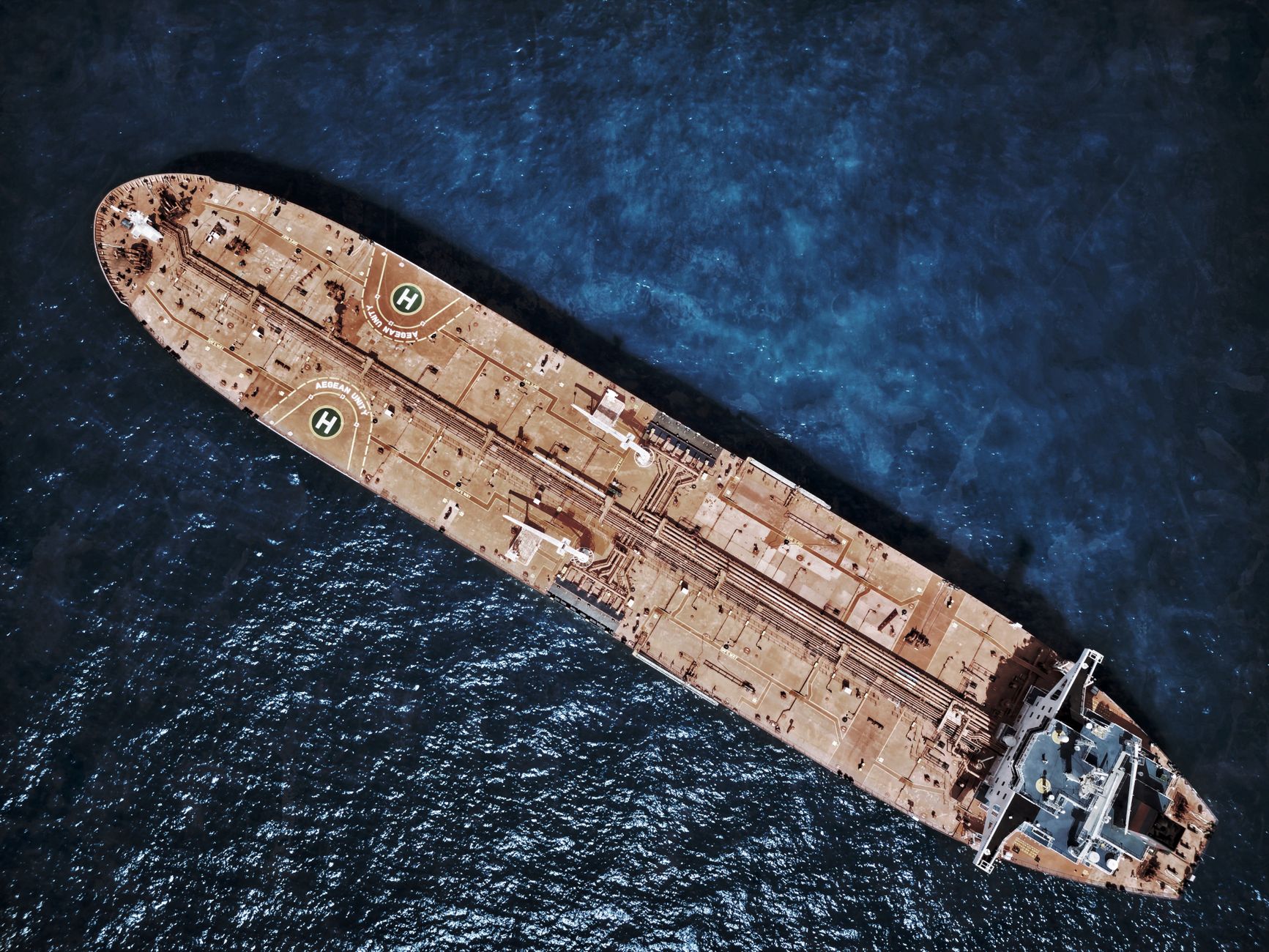
The Iran war, now nearly 10 weeks old, teeters on the edge as US naval forces disabled two Iranian oil tankers on Friday, citing blockade violations. Despite an official ceasefire, President Trump's administration fired in open waters, underscoring the razor-thin line between de-escalation and renewed hostilities. Secretary of State Marco Rubio anticipates Tehran's response 'as soon as today,' but Trump dismissed deadlines, echoing his art-of-the-deal bravado.
Trump's Rose Garden remarks Friday doubled down: 'It'll be over when it's over.' He insists Iran craves a deal, yet the tanker strikes signal impatience with diplomatic foot-dragging. Critics slam the blockade as economic warfare, crippling Iran's oil exports and fueling global energy spikes. Allies urge restraint, fearing a broader Middle East inferno.
Domestically, the strikes boost Trump's tough-guy image but alienate war-weary voters. With midterms approaching, polls show fatigue over foreign entanglements amid economic headwinds. Rubio's optimism clashes with intelligence reports of Iranian buildup, hinting at tit-for-tat risks.
This high-stakes poker game tests Trump's unpredictable style. A deal could cement his legacy; miscalculation invites disaster. As Iran mulls the US peace proposal, the world holds its breath—ceasefire or catastrophe?