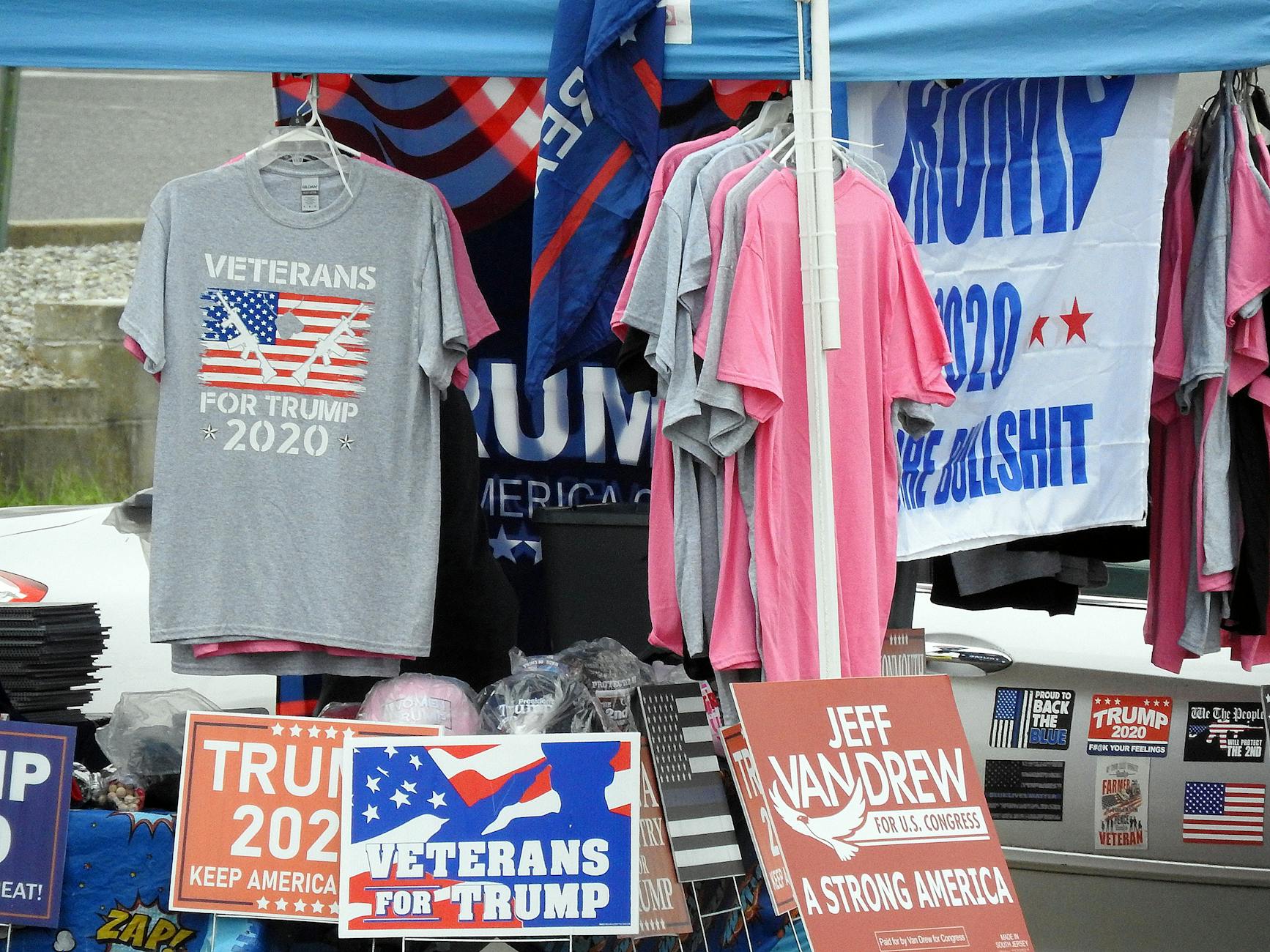
President Trump arrives at the midterm stretch facing a political arithmetic that defies favorable resolution. His approval ratings have sagged to some of the lowest points of his current term, a deterioration accelerated by the intersection of two deeply damaging forces: the ongoing military conflict with Iran and the economic pressures bearing down on American households. The White House faces an uncomfortable reality that traditional campaign interventions—Trump rallies, political messaging, endorsements—may prove insufficient to overcome structural headwinds in a midterm environment where voters are simultaneously afraid and economically anxious.
The Iran conflict has become the central millstone around the administration's political neck. While Trump's earlier foreign policy decisions energized his base, the actual prosecution of war—with ongoing casualty reports, military spending, and the prospect of deeper entanglement—proves far less popular than campaign rhetoric suggested. Polling data shows Americans increasingly skeptical about mission objectives and exit strategies, with war fatigue bleeding across demographic groups that traditionally support military interventions. The administration's insistence that the situation remains manageable directly contradicts voter anxiety.
Economic pressures compound the political damage. Gas prices have risen sharply, a dynamic particularly potent in midterm election years when voters hold presidents accountable for pocketbook realities regardless of culpability. These dual crises—international military engagement and domestic inflation—represent the worst-case scenario for an incumbent party seeking to maintain congressional margins. Vulnerable Republican senators in swing states face voters who are both frightened by geopolitical developments and frustrated by their own economic situations.
The White House political calculation now centers on damage control rather than strategic gains. Trump may still campaign aggressively, but his ability to move electoral needles has demonstrably diminished. Campaign strategists must decide whether Trump rallies boost turnout sufficiently to overcome approval rating deterioration or whether they represent emotional catharsis for his base while alienating persuadable voters further. The approaching midterms may reveal whether presidential enthusiasm can overcome fundamental political gravity.