The Halfway Point Reckoning
The gaming calendar has always operated in seasons, but May 2026 marks something different: a collision between blockbuster ambition and indie experimentation that suggests the industry has fundamentally reorganized itself around creative diversity rather than monolithic tentpoles. With Forza Horizon 6 arriving on May 19th alongside an unprecedented wave of early-access launches and mid-tier releases, this month crystallizes a transformation that has been gestating since the generation-transition uncertainties of 2024 and 2025.
The traditional narrative of gaming calendars emphasized scarcity—only a handful of must-play titles would compete for consumer attention in any given month. But May 2026 inverts this assumption entirely. Instead of a winner-takes-all dynamic, we're witnessing what might be called the "permanent festival" model of game releases, where the industry has accepted that players will distribute their attention across dozens of simultaneous experiences rather than focus sequentially on individual blockbusters.
The Racing Game Reclamation
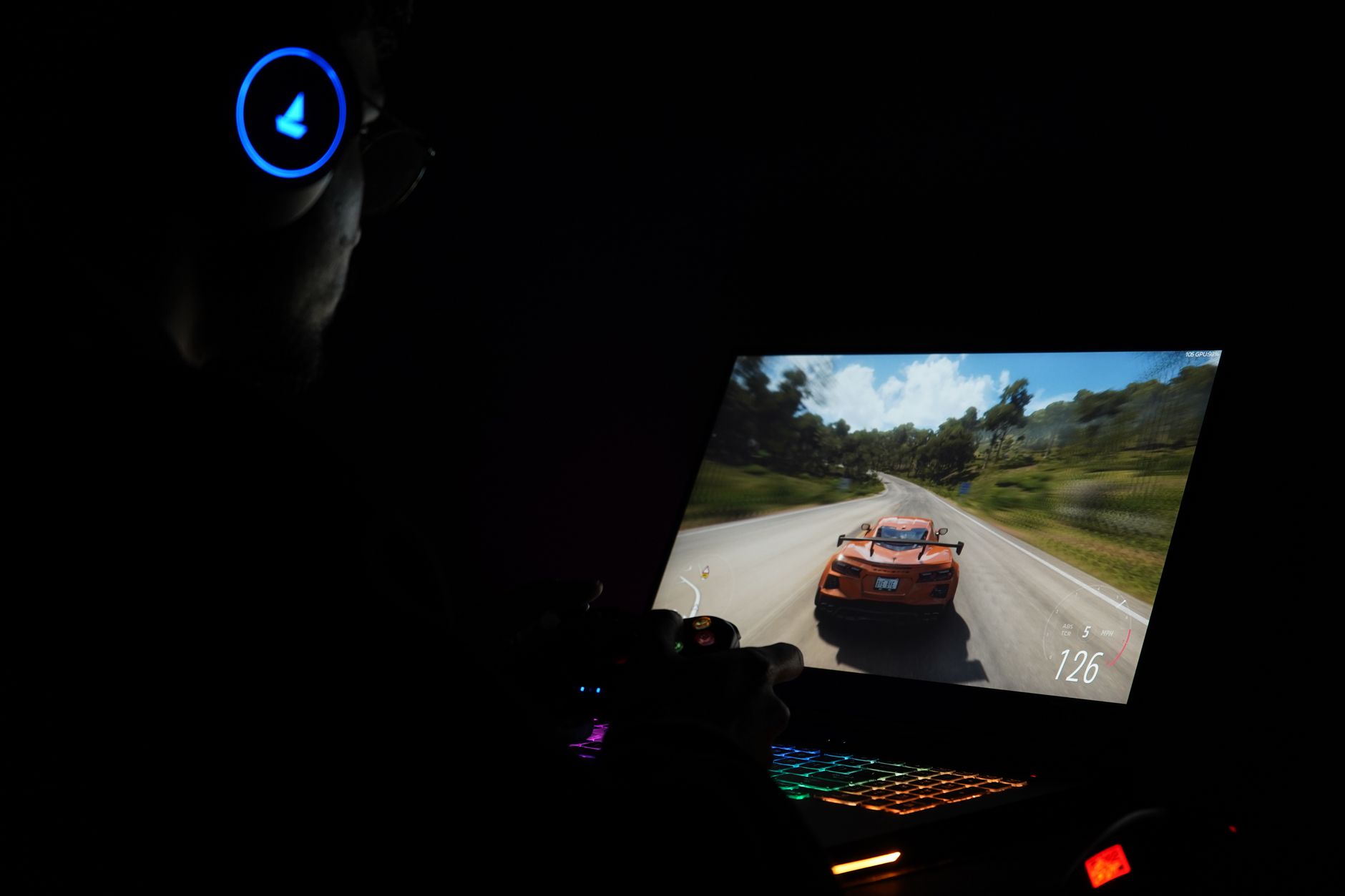
Forza Horizon 6's May 19th launch on Windows and Xbox Series X|S represents something deeper than a mere franchise iteration. The racing genre, which seemed diminished by the rise of live-service games and esports-focused multiplayer experiences, is staging a remarkable comeback by doubling down on experiential authenticity. Setting the franchise in Japan—a geography rich with automotive culture, visual distinction, and player fantasy—suggests Playground Games understands that the racing game's value proposition has shifted from technical simulation toward atmospheric tourism.
This positioning matters precisely because it contrasts with the genre's previous trajectory. For nearly a decade, racing games competed primarily on graphical fidelity and mechanical precision. Forza Horizon 6's decision to prioritize setting and cultural specificity signals an evolution: racing games are becoming travel experiences mediated through automobiles. The franchise's Japan location joins what might be called the "destination gaming" trend, where the virtual geography itself becomes the primary attraction.
The racing game's May resurgence also reflects broader platform strategy from Xbox Game Studios. As PlayStation continues to accumulate exclusive titles and Nintendo diversifies its portfolio, Xbox has leaned increasingly into Forza as a franchise that bridges casual players and enthusiasts. A May release avoids direct competition with summer blockbuster seasons while capitalizing on the "midyear refresh" mentality where players seek substantial new experiences after spring's earlier launches.
The Indie Acceleration and Early Access Paradox
Beyond the racing game headline, May 2026 reveals something more architecturally significant about how games reach audiences. The early-access launches constitute a quiet revolution in how the industry validates games before commercial release. Subnautica 2's arrival as Steam's most-wishlisted game entering early access exemplifies this shift: players have essentially pre-validated these experiences through existing metacritical acclaim or community enthusiasm for previous installments.
The early-access category has evolved from a mechanism for indie developers to fund development into a legitimate distribution channel for anticipated titles. Dead As Disco on May 5th, Alabaster Dawn on May 7th, and In The Black on May 5th represent not desperation but strategic choice. By launching into early access, developers signal confidence in their core concept while maintaining community engagement throughout development. This approach transforms the player base into collaborative participants rather than passive consumers awaiting completion.
What's particularly notable is the genre diversity within this early-access wave. In The Black positions itself as an immersive-sim space exploration title—a lineage traceable to games like Elite and Deus Ex, genres rarely attempted by contemporary indie developers. Farever, arriving as a multiplayer Zelda-inspired action RPG, demonstrates that early-access developers now attempt genres historically reserved for well-funded studios. The collapse of budget constraints on genre experimentation suggests the indie sector has matured beyond its initial role as a testing ground for cost-effective ideas.
Narrative and Experimental Releases
Coffee Talk Tokyo's May 21st arrival across PC, PlayStation 5, Xbox Series X|S, and Nintendo Switch 2 exemplifies a different category of May releases: mid-tier games that depend entirely on narrative and aesthetic uniqueness rather than mechanical innovation. The original Coffee Talk, released years earlier, established a template for games built around dialogue, character, and atmospheric storytelling. Coffee Talk Tokyo extends this template geographically and culturally, suggesting the industry increasingly understands that setting can function as the primary mechanic.
Equally significant are titles like Zero Parades: For Dead Spies, the espionage RPG from the remnants of ZA/UM. This May 21st release carries particular weight given ZA/UM's troubled history—the Estonian studio fractured following creative and business disputes, yet surviving members have reconstituted themselves to release new work. The fact that this game reaches players at all represents a minor miracle of artistic persistence. Its arrival also signals that established creative teams can rebuild themselves within the early-access and mid-tier release ecosystem, whereas they might have faced barriers to publication during previous industry structures.
Platform Consolidation and the Nintendo Question
Nintendo's presence in May 2026's release calendar deserves particular attention. Lego Batman: Legacy of the Dark Knight arrives May 22nd for Steam, suggesting Nintendo has either licensed its franchises more liberally or the landscape of platform exclusivity has fundamentally shifted. Yoshi and the Mysterious Book's May 21st release on Nintendo Switch 2 confirms the new console's arrival, but its relative quietude compared to previous Nintendo hardware launches suggests a different marketing approach—perhaps one emphasizing a steady release cadence rather than explosive launch window activity.
The broader implications of these releases across PC, PlayStation, Xbox, and Nintendo platforms simultaneously represent a industry-wide acceptance that game audiences no longer organize around hardware loyalty. A player might purchase Forza Horizon 6 on Xbox while playing Coffee Talk Tokyo on Switch 2 and participating in Subnautica 2's early access on PC. Platform fragmentation, once viewed as market weakness, now appears inevitable and even healthy. The competitive pressure has shifted from console-wars positioning toward fighting for player attention within increasingly unified digital ecosystems.
The Metasystem of Extraction and Renewal
Phasmophobia's major update on May 5th, featuring a long-awaited player character overhaul, exemplifies a category of May gaming activity that often escapes traditional coverage: the persistent live-service game receiving substantial content. Similarly, Path of Exile 2's planned updates and Songs of Silence's Crownless King expansion represent games extending their lifecycle through scheduled content rather than launching final versions.
This pattern reveals an industry that has largely accepted the live-service model not as a temporary corporate overreach but as a fundamental restructuring of how games achieve longevity. The distinction between a new release and a major update has collapsed. Players might spend May engaging simultaneously with games released in 2023, 2024, and 2026 depending on content schedules rather than release dates. Devising publishing strategies now requires thinking less in terms of discrete launch events and more in terms of continuous content calendars.
What May 2026 Actually Reveals
Standing at mid-May, the gaming industry appears to have resolved certain tensions that defined the previous decade. The fight between triple-A exclusivity and indie accessibility has resulted not in victory for either faction but in their functional merger. Players now routinely expect games to appear across multiple platforms simultaneously. The technological gap between indie and well-funded productions has narrowed sufficiently that genre and creative vision matter more than budget allocation.
The month also demonstrates that the industry has moved beyond the artificial crisis narrative of previous years. No longer do we hear predictions of industry collapse or warnings about unsustainable budgets. Instead, May 2026 presents a mature ecosystem where different segments operate according to different logics—blockbuster racers compete on atmosphere and authenticity, indie developers maintain community trust through early-access transparency, and live-service games negotiate player attention through content calendars.
What remains unresolved, however, is whether this proliferation of choice ultimately serves players or merely diffuses their attention. When dozens of substantial games arrive simultaneously, each demanding dozens of hours of engagement, the player's fundamental constraint—time—becomes the actual limiting factor. May 2026's bounty of releases may therefore represent not consumer victory but rather a new scarcity regime where the competition for player attention has intensified rather than loosened.
The racing game reclaims its relevance through experiential tourism. The indie sector matures into legitimate narrative architecture. Platform loyalty becomes virtually irrelevant. Live-service games normalize their permanent status. These represent not revolutionary changes but rather the consolidation of evolution that's been accumulating across five years of industry transition. May 2026 is not when gaming changed direction—it's when the industry finally arrived at the destination it's been traveling toward all along.