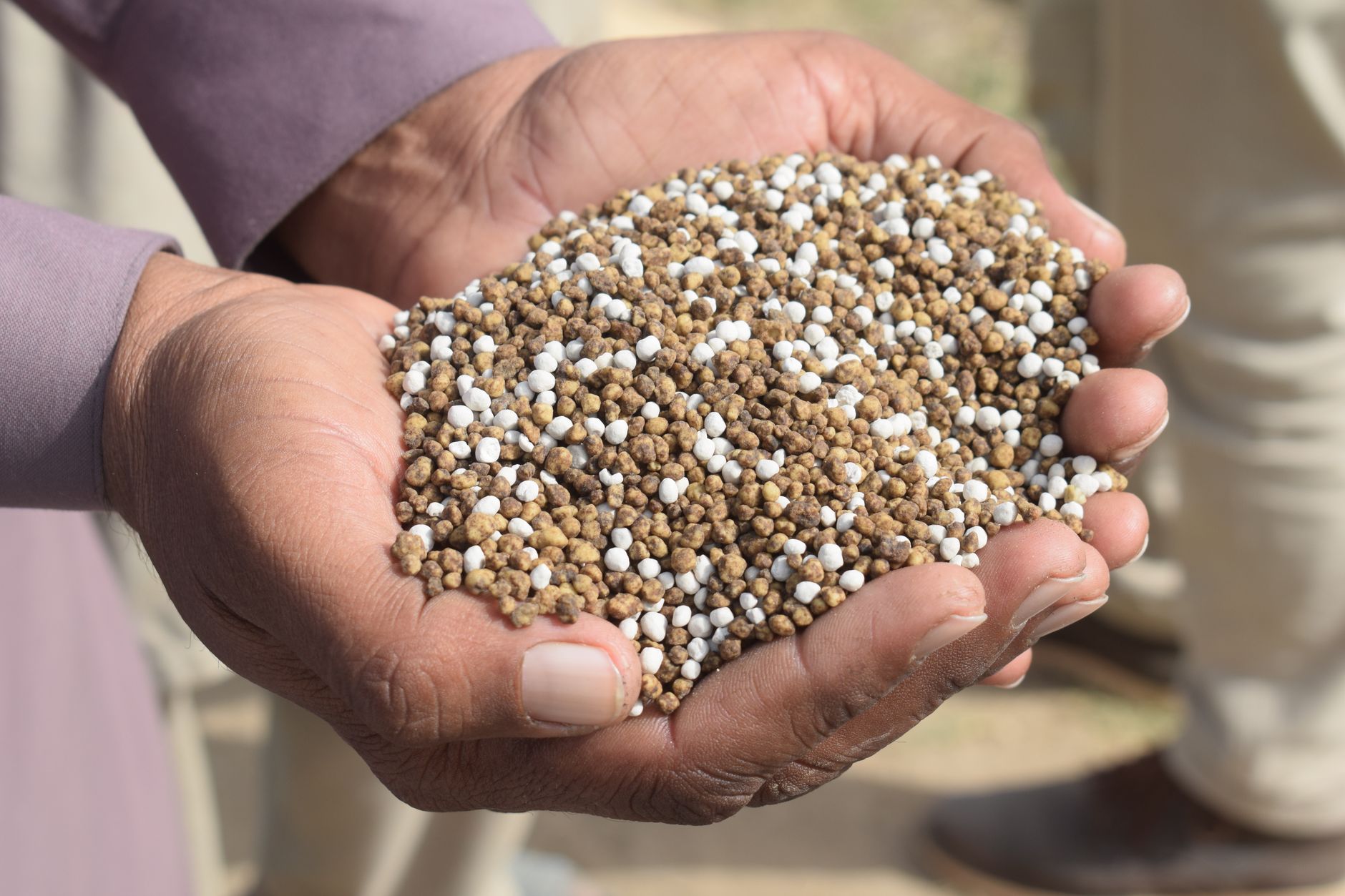
Africa's agricultural heartland is under siege from distant battlefields. The Iran war has disrupted fertilizer exports, sending prices soaring and supplies evaporating across the continent. Farmers from Kenya to Nigeria report barren fields, with staple crops like maize and rice facing devastating shortfalls that threaten millions with hunger.
What was poised to be a $1 trillion boon for African economies now teeters on collapse. Import-dependent nations, hit hardest, see input costs double overnight. Smallholders, lacking subsidies or alternatives, abandon plots, accelerating rural exodus to already strained cities. Governments scramble with emergency imports, but logistics snarls from Red Sea skirmishes compound the crisis.
Economic ripple effects are brutal. Inflation surges, currencies weaken, and export revenues from cash crops plummet. The IMF notes Africa's resilience in past shocks, but this fertilizer famine tests limits. Calls grow for homegrown production—Morocco's phosphate reserves offer a lifeline if harnessed continent-wide.
Policymakers must act decisively. Investments in organic alternatives and regional supply chains could blunt future blows. Yet, with harvests wilting, the immediate priority is averting famine. Africa's breadbasket demands urgent, unified intervention before the Iran fallout claims another victim.