President Trump’s latest encounter with Chinese leadership is being framed by the White House as proof that a strained relationship can be stabilized by personal diplomacy. But the public readouts suggest something far less tidy: a temporary thaw layered over permanent strategic distrust.
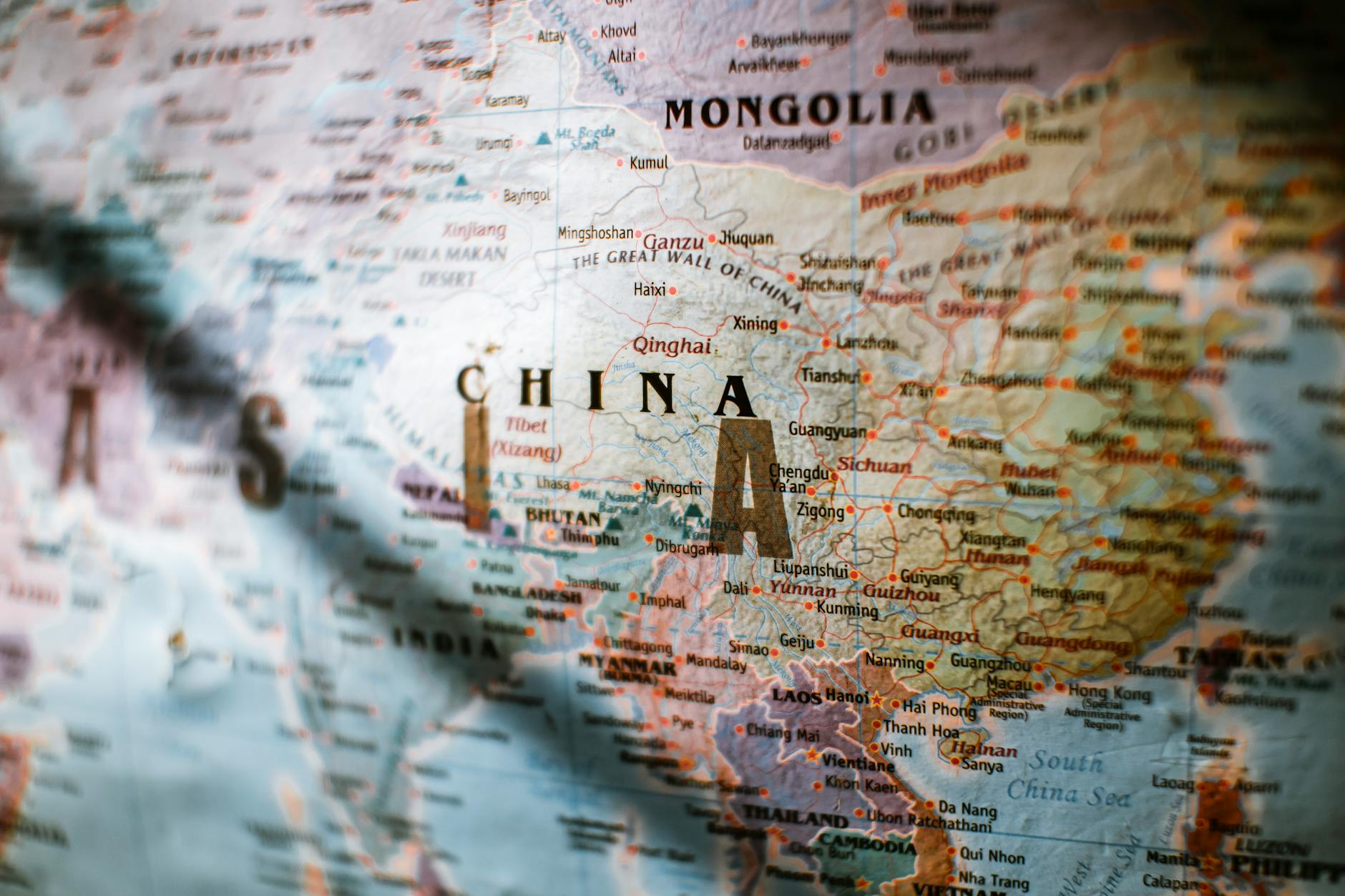
The most volatile issue remains Taiwan. Beijing’s message has not changed — support for Taipei is seen as a red line — while Washington continues to move weapons, political backing and strategic signaling in the opposite direction. That contradiction is exactly what makes any “reset” look fragile from the start.
Trade and technology are adding another layer of tension. Even when both sides agree to talk, they are still competing over supply chains, semiconductor access, artificial intelligence and the future balance of industrial power. The talks may lower the temperature for a day, but they do not resolve the structural fight over who sets the rules of the 21st-century economy.
For Trump, the political temptation is obvious. A softer tone toward China gives him the appearance of dealmaking and a potential foreign-policy win he can sell at home. But Beijing is unlikely to treat symbolism as substance, and any perception that Washington is improvising its position on Taiwan could quickly undo the optics of the visit.
The broader risk is that the administration keeps confusing movement with progress. A summit can produce headlines, but without durable guardrails on security, trade and military escalation, the United States and China may simply be entering a new phase of managed confrontation — one with better photo opportunities and the same underlying danger.