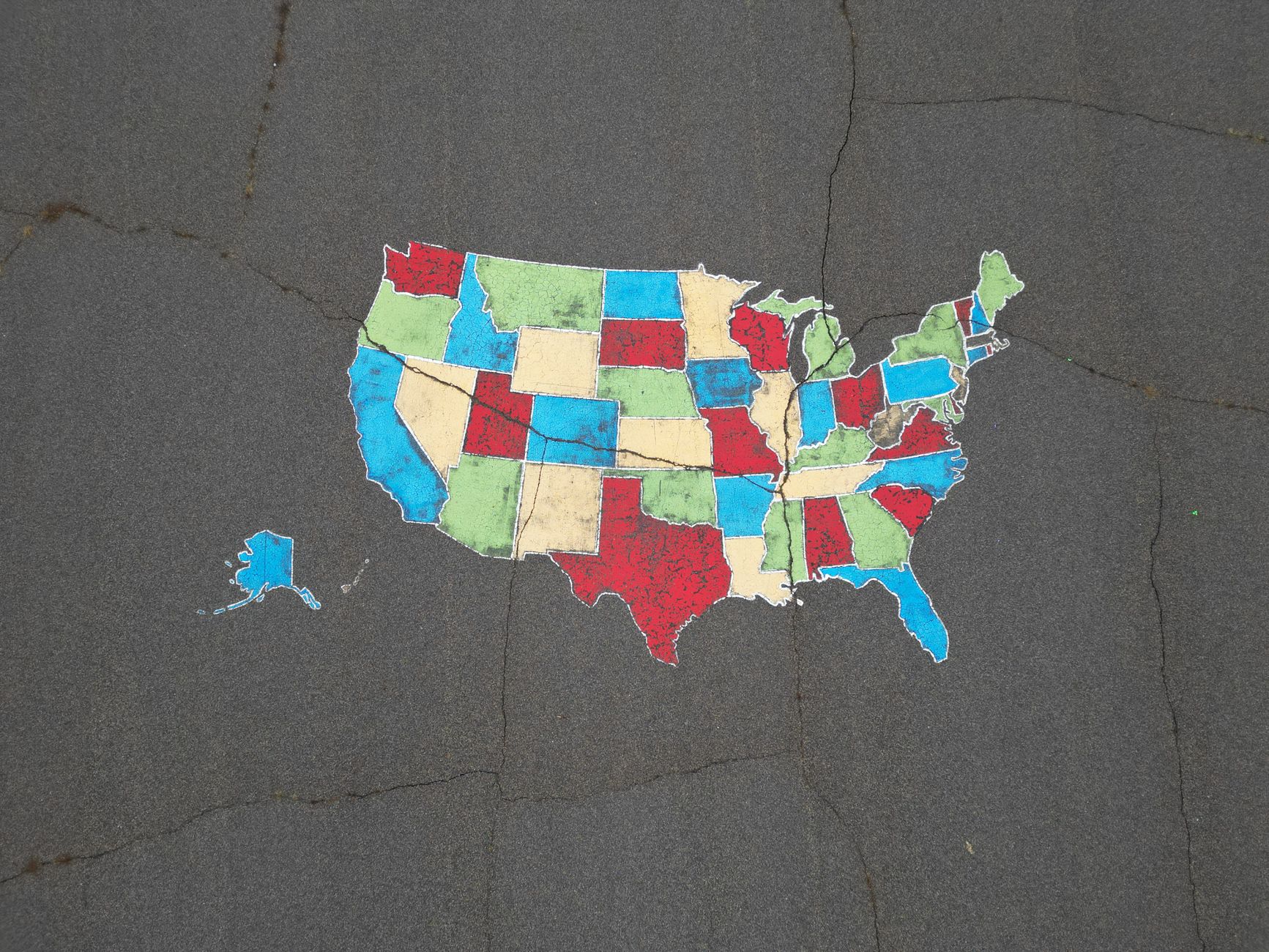
The battle over congressional maps is escalating fast, and it is exposing just how little trust remains in the machinery of American democracy. In Alabama, the Supreme Court has cleared the way for Republicans to eliminate a Black-majority district, a move likely to strengthen GOP control in the House.
The decision comes as several Republican-led states race to redraw maps after the Supreme Court weakened a key Voting Rights Act safeguard. The practical effect is immediate and obvious: districts can be redesigned in ways that dilute Black voting power while remaining cloaked in legal formality.
Democrats are not standing still. In Virginia, party leaders are pressing to restore a voter-approved map that was struck down by the state’s high court, arguing that the new boundaries could deliver as many as four additional House seats. What is unfolding is not just a legal dispute, but a race to control the architecture of political representation before a single ballot is cast.
The deeper concern is that both parties now behave as if the lines themselves matter more than the voters inside them. That may be electorally rational, but it corrodes the basic promise that elections should determine who governs rather than the other way around.
If the midterms are decided by courts, map drawers and emergency legal maneuvers instead of persuasion and turnout, the country will not simply have a partisan gerrymandering problem. It will have a legitimacy problem.