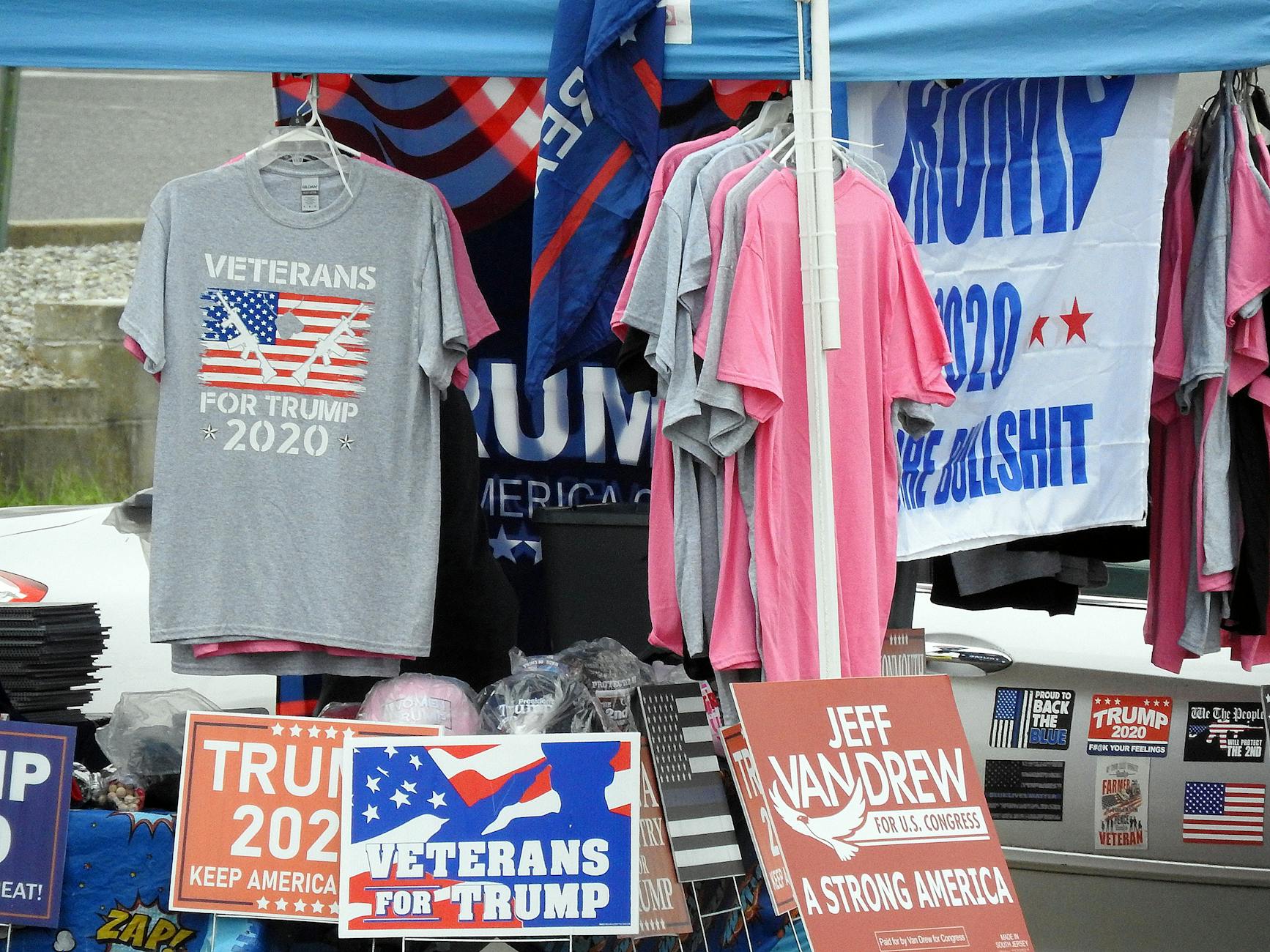
The latest round of Washington scandal is not really about one transaction, one pardon, or one contract. It is about the growing sense that American politics is being reorganized around access, personal enrichment, and selective enforcement, with powerful figures and their allies doing very well while everyone else is told the system is simply functioning as designed.
That is why the complaints around Trump’s pardons, the gains in family wealth since January 2025, and the recurring questions about crypto-linked revenue and no-bid contracting are resonating beyond the usual partisan base. Even voters who do not obsess over every allegation can see the broad pattern: the closer one gets to power, the more likely one is to benefit from it. The details differ, but the ethical shape is familiar.
Democrats are trying to respond with a package of anti-corruption bills led by Representative Jamie Raskin, aimed at creating new checks on the White House. Whether those proposals advance or not, the political logic is obvious. Voters are increasingly receptive to the idea that the problem in Washington is not just policy disagreement, but a system that has become too comfortable rewarding insiders, allies, and donors.
Republicans have often answered these charges by pointing to historical precedent and by insisting their opponents are just as compromised. That is not a defense so much as a confession of a degraded standard. If every scandal is answered with a shrug and a comparison to some older scandal, the country eventually stops expecting clean government at all.
The danger for Trump is not simply legal or legislative. It is reputational. Once a president is seen as the beneficiary of a corruption ecosystem, every policy choice is viewed through that lens, from foreign policy to tax disputes to procurement. And once the public decides that the rules are for everyone else, democratic legitimacy begins to leak away.