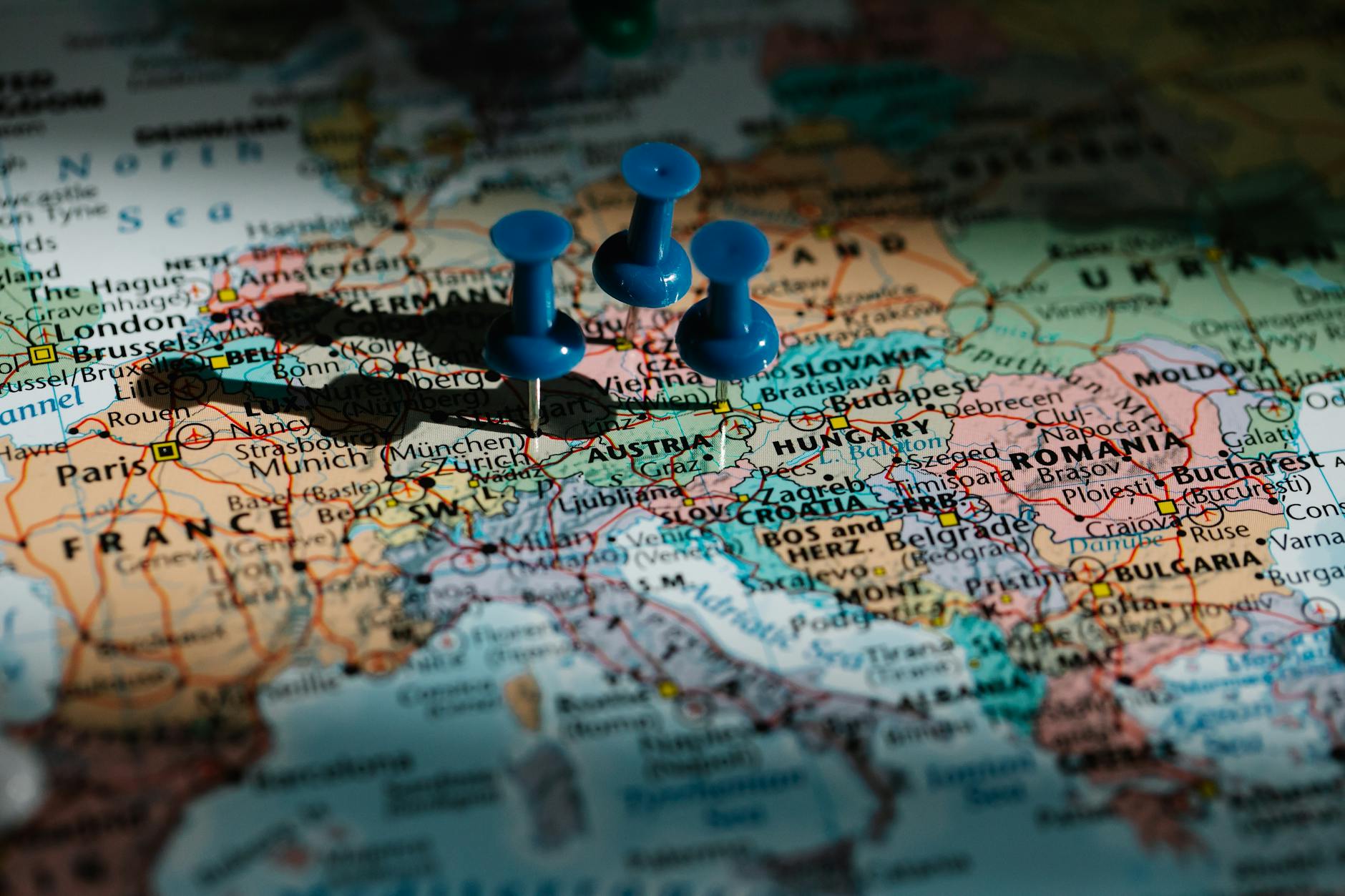
For much of the past decade, EU enlargement looked like a frozen project: politically sensitive, bureaucratically dense and easy to postpone. That complacency is over. War in Ukraine, pressure in the Western Balkans and rising global instability have pushed enlargement back to the center of Europe’s strategic debate.
The logic is straightforward. A larger EU can extend stability, anchor reforms and reduce the appeal of competing spheres of influence. In the Western Balkans, where the membership process has dragged on for years, the case for urgency is no longer just about integration. It is about credibility. Countries that are told to wait indefinitely will eventually start looking elsewhere.
But the politics are messy. Enlargement is popular in principle and contested in practice. Many member states still worry about institutional strain, budget pressure and decision-making paralysis in a bigger Union. Others fear that the EU is asking candidate countries to reform endlessly without offering a realistic path to entry. That tension has haunted the process for years.
The new geopolitical environment makes that hesitation more expensive. Russia’s war has sharpened the strategic value of the EU’s eastern neighborhood, while pressure from other global powers has reminded Brussels that influence is lost quickly when promises lack deadlines. Enlargement has become a test not just of policy, but of political will.
If the EU wants to remain a serious actor on the continent, it cannot treat accession as an administrative ritual. It has to decide whether enlargement is a genuine strategic priority or merely a slogan it repeats when the neighborhood becomes dangerous. The answer will shape Europe’s borders, its influence and its credibility for years to come.