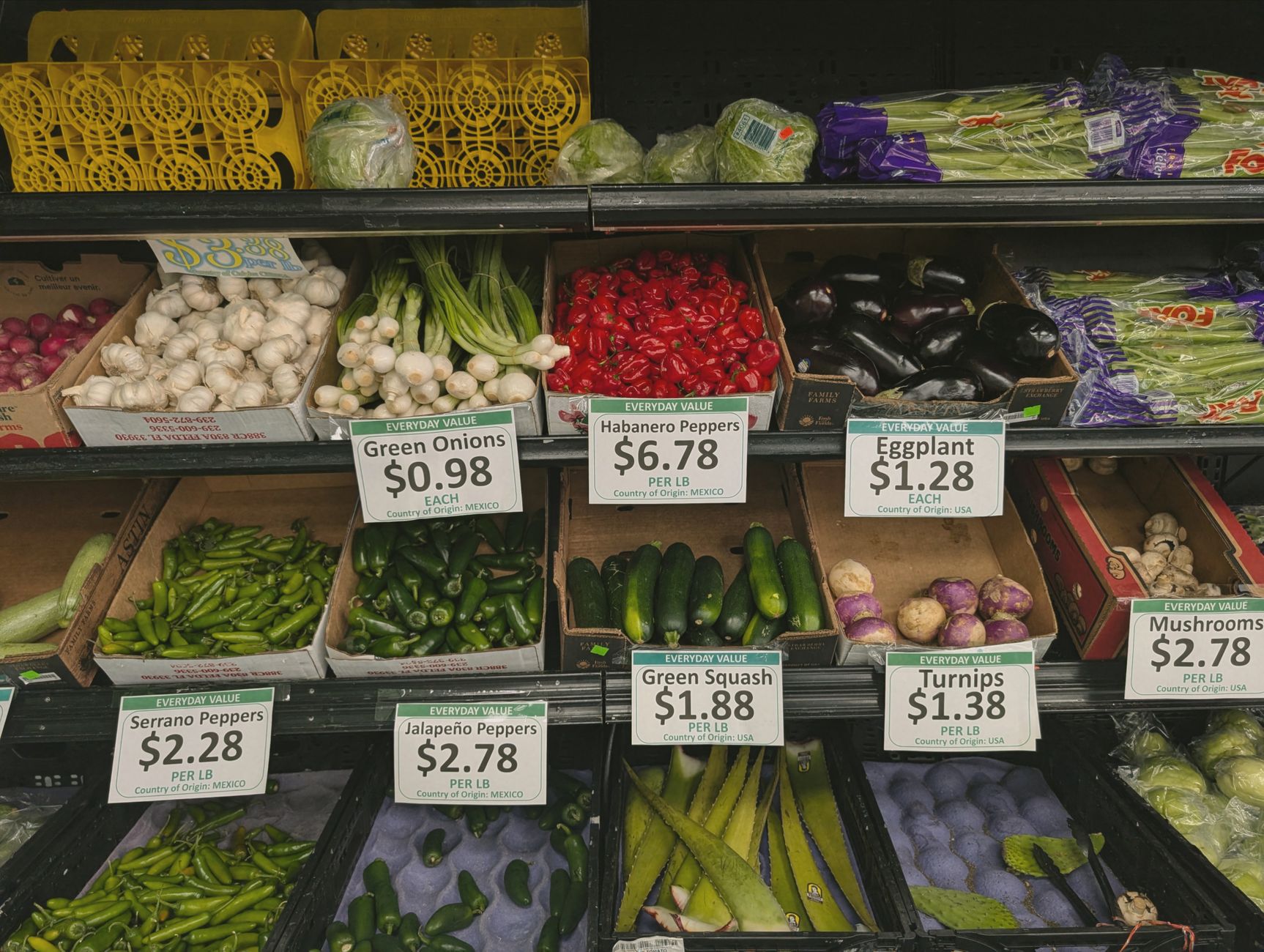
The Congressional Progressive Caucus has rolled out an affordability agenda that reads like a response to a country exhausted by rising bills. Cheaper prescriptions, groceries, housing, utilities, gas, and child care are all part of the package, along with proposals to ban companies from using personal data and AI to set prices, guarantee paid vacation, raise overtime pay, and curb super PACs.
The politics of this moment are straightforward. Voters may hear macroeconomic talk about cooling inflation and sturdy growth, but many households are still living through a daily squeeze that does not show up cleanly in official averages. Rent remains punishing in many cities, food prices are stubborn, and child care continues to function like a second mortgage for working parents. In that environment, affordability is not a niche issue. It is the central organizing principle of domestic politics.
What makes the progressive proposal notable is not just its policy list, but its diagnosis. It treats the affordability crisis as a structural problem shaped by corporate power, wage stagnation, and weak consumer protections — not as a temporary market glitch. That framing will appeal to Democrats looking for a sharper economic message, but it will also provoke resistance from business groups and centrists who prefer narrower interventions.
There is also a larger question: can a political system built around short election cycles deliver sustained relief on housing, health care, and family costs? If the answer is no, then Americans will keep hearing promises of affordability while paying more for the basics. That gap between rhetoric and reality is one of the most corrosive forces in the country’s politics.
The caucus may not get everything it wants. But it is identifying where the public mood is heading. In 2026, the party that talks most credibly about the price of ordinary life is likely to own the argument.