Europe’s politics in 2026 is being shaped by a blunt reality: fear polls well. Fear of war, fear of migration, fear of economic decline and fear of losing control over national identity are all feeding a more combative political climate across the continent. That mood is not confined to the fringes anymore. It is now shaping the agenda in Brussels.
Migration remains one of the EU’s most explosive files. Governments want stronger borders, faster returns and a system that looks tougher to voters, but they also know the bloc still needs labor, especially in aging economies. That contradiction has produced a politics of permanent compromise: hardline language for domestic consumption, incremental policy in practice. It satisfies almost no one for long.
Security politics are having a similar effect. The war in Ukraine has made defense a mainstream concern, but it has also hardened attitudes toward sovereignty, border control and foreign influence. Governments are increasingly willing to talk about strategic sectors, investment screening and protection against outside interference. In many capitals, the language of openness now comes with a warning label.
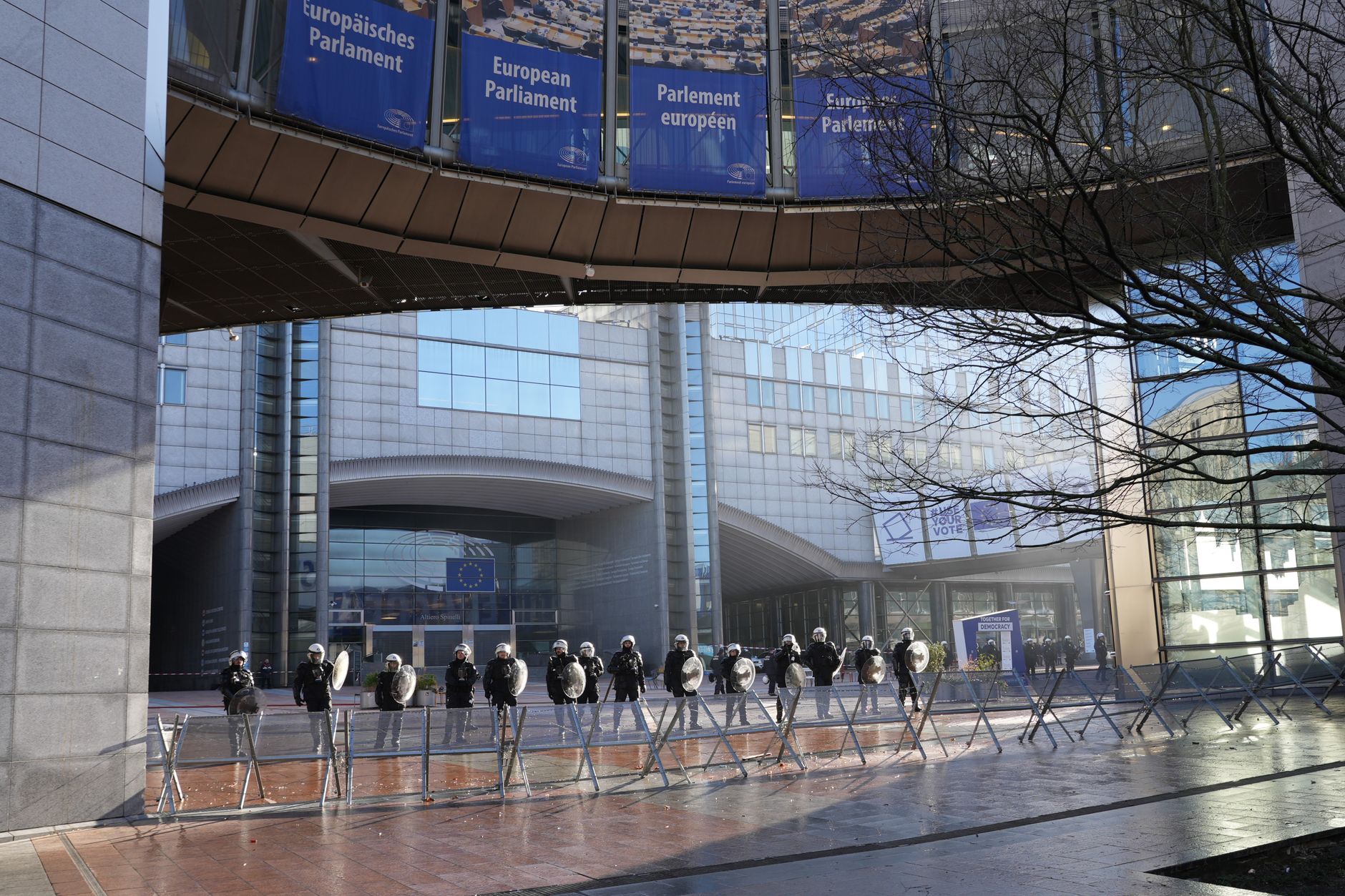
This shift is changing the balance inside EU institutions. The Commission is trying to preserve coherence across migration, defense, digital rules and enlargement. The Parliament is more polarized than at any point in years. National leaders, for their part, often prefer the optics of toughness to the discipline of collective action. The result is a Union that talks about unity while drifting into national reflexes.
That does not mean Europe has lost its liberal core. But it does mean the center can no longer assume that moderation will win by default. In 2026, the real political fight is not between left and right alone. It is between a Europe that still believes it can manage uncertainty through institutions and a Europe that increasingly wants walls, speed and certainty, even if those promises are false.