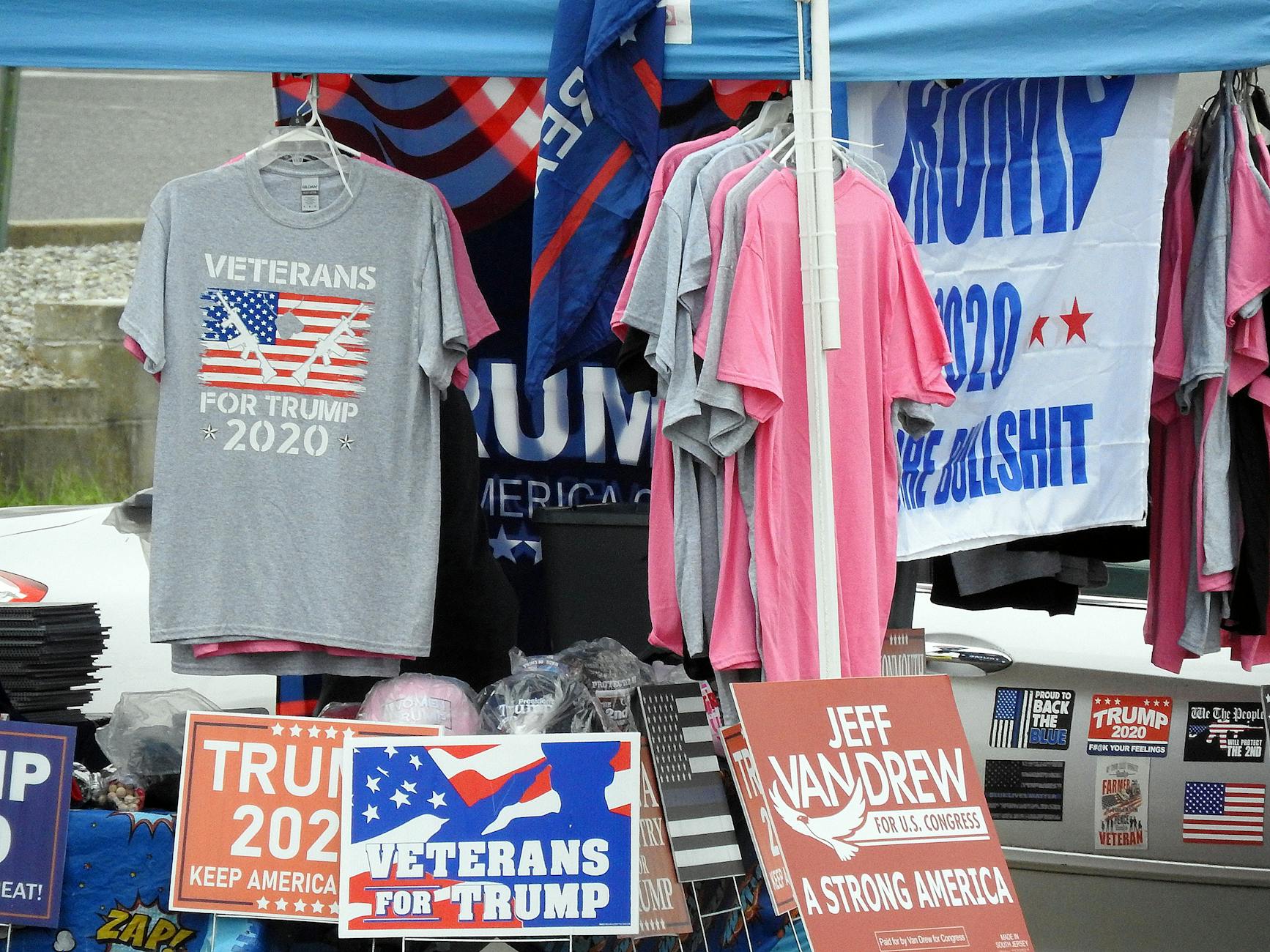
The Republican Party’s state-level fractures are no longer hidden inside caucus rooms. In Indiana, Trump-backed challengers unseated five Republican state senators who had opposed the president’s redistricting push last year, a sign that party loyalty is now being enforced through political elimination rather than persuasion.
That same pressure is visible in Tennessee, where lawmakers have advanced a congressional map that could hand Republicans all nine House seats in the state. Hundreds of protesters gathered in Nashville as the legislature moved ahead, underscoring how redistricting has become one of the most explosive issues in state politics.
These fights are about far more than lines on a map. They are about control over the future structure of power. A successful gerrymander can lock in a congressional majority, insulate state leaders from accountability, and reward those who stay aligned with the Trump project while punishing anyone who hesitates.
For voters, the result is a political system that feels increasingly pre-decided. For lawmakers, it is a warning: in the modern Republican coalition, disagreement can cost you your seat, your committee power, or your political future. The primary challenge is no longer a threat from the fringe. It is the main instrument of discipline.
That is why 2026 is shaping up as a year in which state politics matters as much as Washington. The next phase of the national struggle may be decided not in Congress, but in legislatures where maps, loyalty, and survival are being negotiated all at once.