A Deluge of Blockbusters
In the frenetic final days of April 2026, the video game industry unleashed a barrage of high-profile releases that tested hardware limits, captivated audiences, and reshaped platform loyalties. From Bethesda's long-awaited Starfield expansion to Supergiant Games' Hades 2 making its console leap, the month's slate arrived like a perfect storm, blending AAA tentpoles with indie darlings. With Nintendo's Switch 2 gaining traction through titles like Goat Simulator 3 and Pokémon Champions, Microsoft's Xbox navigating a dramatic identity crisis, and PC dominating experimental fare, April marked a crossroads for gaming's future.
The deluge began early. On April 1, Goat Simulator 3 capered onto Switch 2, a port that highlighted Nintendo's new hardware's backward compatibility prowess while poking fun at open-world absurdity. Coffee Stain Studios delivered chaotic multiplayer mayhem optimized for the hybrid console, drawing 2 million downloads in its first week—a soft launch success that underscored Nintendo's enduring appeal for family-friendly chaos.
April 2 brought Darwin’s Paradox! across PS5, Switch 2, Xbox, and PC, a narrative-driven sci-fi adventure from an upstart studio that pitted evolutionary biology against interstellar ethics. Critics hailed its branching dialogue trees and procedural alien ecosystems, positioning it as a spiritual successor to Outer Wilds. Simultaneously, PC exclusives like I Am Jesus Christ and Modulus stirred controversy and curiosity: the former, a first-person simulator of biblical miracles, sparked debates on faith in gaming, while the latter's modular puzzle-worlds earned accolades for innovative physics.
Mid-month peaks arrived with Starfield + Free Lanes / Terran Armada DLC on April 7. Bethesda's space epic, once lambasted for launch stumbles, roared back with faction wars across asteroid belts and carrier battles that demanded PS5 and Xbox Series X/S at their limits. Player counts surged 300% on Game Pass, proving live-service ambition could redeem single-player roots. The very next day, Pokémon Champions on Switch revitalized the franchise with competitive arenas and AR gym battles, pulling in lapsed fans amid whispers of a Switch 2-native sequel.
April 14 doubled down on excellence: Hades 2 escaped early access for Xbox and PS5, its roguelike perfection now accessible beyond PC faithful. Supergiant's mythos expanded with goddess Zagreus mechanics, selling 5 million copies in days and affirming sequels' viability. Alongside, Replaced—a cyberpunk side-scroller from Sad Cat Studios—blended pixel art with immersive sim elements on PC and Xbox, evoking Blade Runner in 2D.
Platform Wars: Nintendo's Hybrid Triumph, PlayStation's Steady Hand
Nintendo dominated April's narrative with Switch 2 ports and exclusives, cementing its hardware lead. Amnesia: Rebirth on April 30 tested the system's HDR capabilities in horror depths, while InKonbini: One Store, Many Stories offered slice-of-life vignettes that resonated in Japan and beyond. Pokémon Champions' success—peaking at 10 million units—signaled Game Freak's pivot to esports-ready battlers, with online tournaments drawing 500,000 concurrent viewers. The Switch 2's rumored 4K dock mode shone in Outbound on April 23, a survival sim blending No Man's Sky exploration with base-building grit across all platforms.
PlayStation held fort with targeted strikes. Saros on April 30, a Unreal Engine 5 showcase of cosmic horror, leveraged PS5 Pro's ray-tracing for otherworldly dread, exclusive to Sony's ecosystem. Invincible VS, the fighting game tie-in, pitted animated heroes in 2v2 brawls, boosting Prime Video synergy. Sony's restraint—fewer megaton bombs but higher critical acclaim—contrasted Microsoft's turmoil, with Clair Obscur: Expedition 33's sweep of all five major Game of the Year awards earlier in the month echoing Baldur's Gate 3's legacy.
PC gaming, ever the wild frontier, feasted on variety. Diablo IV – Lord of Hatred DLC on April 28 injected Blizzard's ARPG with cosmic demons, spiking Steam charts. Mouse P.I. For Hire charmed with noir detective antics, while ambitious UE5 titles like The Occultist and Kristala promised feline sorcery and soulslike grit. Steam's April sales topped 1.2 billion dollars, fueled by these releases and modding communities revitalizing Starfield.
Xbox's Rebrand: A Desperate Bid for Relevance?
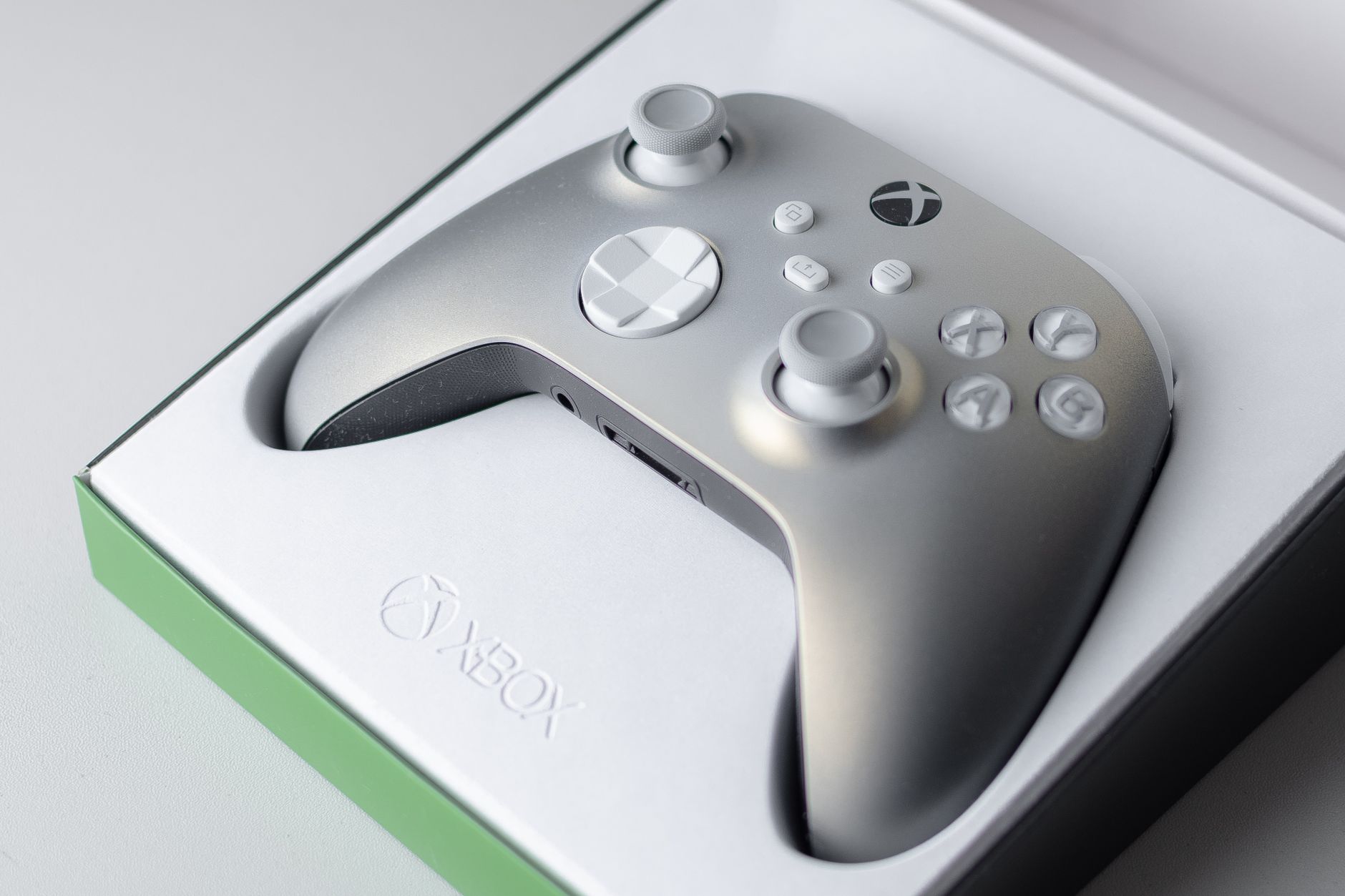
No story loomed larger than Microsoft's seismic shift. On April 23, Microsoft Gaming rebranded to simply "Xbox," abandoning the broader umbrella in a candid admission of console woes. New leaders, in a leaked internal memo, confessed: "Players are frustrated with the console and pricing. We have to be honest about where we are." This pivot emphasized system exclusivity anew, reversing multiplatform drifts post-Activision Blizzard acquisition. Starfield's DLC day-one parity on PS5 stung purists, but Xbox leads vowed tighter hardware integration, teasing a 2027 refresh with rumored AMD next-gen chips.
The move followed stumbles: Garry's Mod successor S&box launched on Steam with creator payouts, a jab at Valve's model while Microsoft eyed Game Pass sustainability. Fallout: New Vegas remaster drama—Bethesda reportedly "lectured" designer Josh Sawyer over 30 FPS targets—exposed engine frailties. Yet, hope flickered in He-Man and the Masters of the Universe: Dragon Pearl of Destruction on April 28, a multiplatform brawler that bridged nostalgia with modern combat, exclusive to Xbox Game Pass Ultimate.
"We don't have to fire 1000 people to keep it working," S&box devs quipped, nodding to industry layoffs while touting sustainable monetization.
Xbox's gambit arrives amid acquisitions ripples. Amazon Games snapped Glowmade for King of Meat, an action romp released April 9, signaling Big Tech's gaming encroachment. Frost Giant Studios' Stormgate sandbox shuttered servers mid-April, a cautionary tale for indie RTS ambitions.
Esports Ascendant: From Pokémon to Diablo Arenas
Esports thrived amid releases. Pokémon Champions inaugurated global circuits with $10 million prize pools, blending mobile roots with console depth. Diablo IV: Lord of Hatred ladder resets ignited PvP leagues, drawing 1 million viewers to ESL finals. Invincible VS' ranked mode fueled FGC hype, with capcom-style tournaments on EVO horizon.
Nintendo's Tomodachi Life: Living the Dream—a late-April bonus—spawned viral life-sim esports, where players vied for quirky Mii achievements. PC titles like Masters of Albion and Pragmata teased MOBA revivals, while Warhammer 40,000: Warpforge bowed out April 30, its CCG legacy enduring in mobile spin-offs.
Studios in Flux: Acquisitions and Shutdowns
Game studios navigated turbulence. miHoYo sunsetted Genshin Impact on PS4 April 8, streamlining to current-gen. PopCap Vancouver's Plants vs. Zombies: Garden Warfare PS3 servers went dark April 28, emblematic of legacy cull. Everguild's Warhammer card game followed suit, as did Moonshot's China-only Wildgate.
Positive churn included fp32.ai's Rift Investigations RPG launch before its April 4 pivot. Enfant Terrible's UE5 demos at Xbox Partner Preview hinted at 2027 blockbusters like Exodus. Bandai Namco's He-Man and Capcom-adjacent Dead or Alive 6 Last Round in June signaled evergreen revivals.
The Road Ahead: Summer Game Fest Looms
As April wanes with Atomic Heart – Blood on Crystal DLC and Beyond Words, eyes turn to Summer Game Fest June 5-8. Ace Combat 8, Frog Sqwad, and Another Eden teases promise escalation. Nintendo's Switch 2 supply stabilizes, PlayStation Pro matures, PC's UE5 wave accelerates, and Xbox's rebrand tests fidelity.
April 2026 wasn't mere releases; it was reckoning. Blockbusters proved resilience, platforms vied for souls, and esports formalized fun. In gaming's gilded age, innovation triumphs over inertia—but only if giants listen to frustrated players. The controller passes to summer, where fortunes flip anew.