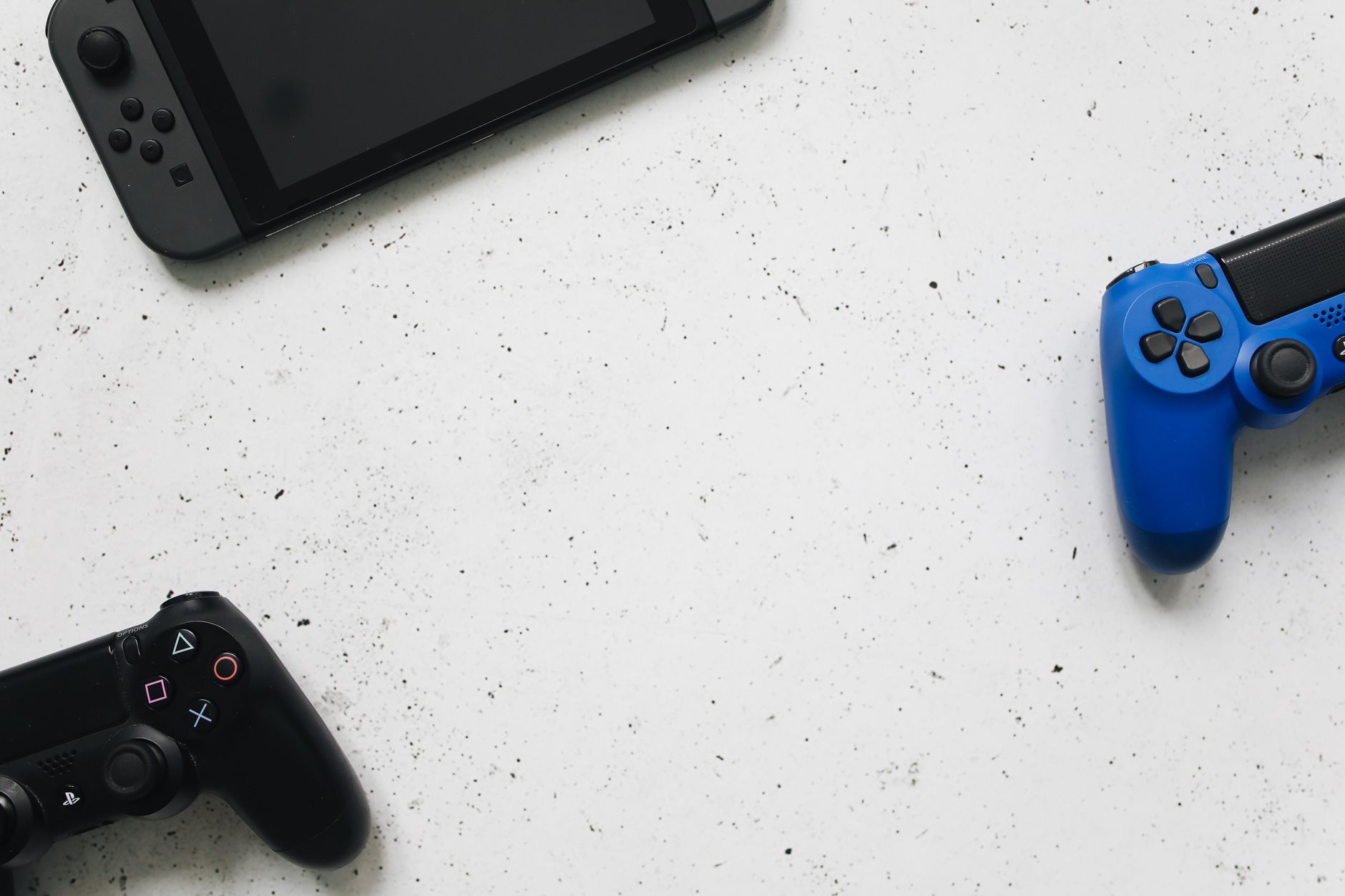
The New Gaming Wars
In the spring of 2026, the gaming industry stands at a crossroads more precarious than any console generation before it. Microsoft, once the aggressor with its audacious acquisitions, has reinvented itself under fresh leadership, pivoting to affordability and openness in a bid to democratize play. Sony, the blockbuster maestro, faces eroding loyalty as its PlayStation fortress cracks under subscription pressures. Nintendo, ever the outlier, thrives in its walled garden of whimsy, while mobile gaming—once dismissed as casual fodder—emerges as the colossus devouring billions. At the heart of this tumult lies the subscription model, with Microsoft's Game Pass as its most potent evangelist, challenging the very notion of game ownership.
This is no mere hardware cycle; it's a fundamental reimagining of how we consume entertainment. Daily active users now eclipse quarterly sales figures as the metric of might, echoing social media's playbook. Microsoft's gaming ecosystem boasts over 500 million monthly active users across platforms, a sprawling web that blurs lines between console, PC, cloud, and mobile. Yet success remains elusive: layoffs ripple through studios, stock prices wobble, and players grumble about value. As Asha Sharma, the new CEO of what is once again simply "Xbox," declares a "return to Xbox," the industry braces for a reckoning.
Microsoft's Xbox Renaissance: Affordability as Weapon
Asha Sharma's ascension in early 2026 marked a seismic shift. With Phil Spencer retired and Sarah Bond departed, Sharma and gaming chief Matt Booty jettisoned the "Microsoft Gaming" moniker, resurrecting the pure Xbox brand. It's more than nostalgia; it's a clarion call. "Xbox starts with its fans, and we'll grow from there," Sharma proclaimed, signaling a strategy laser-focused on three pillars: affordability, personalization, and openness.
The proof arrived swiftly. Game Pass Ultimate, that $29.99 behemoth bloated by last year's Call of Duty bundling, slashed to $22.99 monthly—without day-one CoD access. It's a bold unwind of prior hikes, prioritizing accessibility over premium pricing. Flexible models abound: tiered subscriptions, pay-per-play options, and customizable experiences tailored via AI. Project Helix, the teased 2026 console, promises not just raw power—revolutionary CPU architecture, AI-accelerated rendering—but a paradigm shift in hardware-software synergy, playable across devices with minimal friction.
Content firepower bolsters the bet. The "four horsemen"—Fable, Gears of War: E-Day, Halo Campaign Evolved, Forza Horizon 6—headline a 2026 slate, joined by service juggernauts like Minecraft updates, Grounded 2, Fallout 76 expansions, and Elder Scrolls Online. Xbox Developer Direct dazzled with Fable's wry humor from Playground Games, Forza Horizon 6's open-world splendor, Game Freak's Beast of Reincarnation (a day-one Game Pass gem blending action and mystery), and Double Fine's surprise Kiln. These aren't exclusives in the old sense; many launch cross-platform, eroding the timed-release moat.
Success metrics evolve too. Xbox now tracks daily active players, a nod to retention over one-off buys. "Earn every player," reads one of Sharma's ten operating principles, alongside "protect our art" and "stay rebellious." Publishing modernizes at GDC 2026, embracing developer tools for seamless multi-device ports. Streaming surges, Windows integration deepens, and AI reevaluation hints at smarter matchmaking, procedural worlds. Yet risks loom: unwinding exclusives could alienate core fans, while acquisitions—like whispers of mobile studios—test fiscal restraint post-Activision.
"The plan's the plan until it's not the plan." —Asha Sharma, on Xbox's fluid strategy
Sharma's mantra underscores adaptability. Consoles endure as a pillar, but barriers crumble. Developers build once, deploy everywhere—cloud, PC, handhelds. It's a challenger mindset against Sony's dominance, betting that volume trumps margins in a 500-million-user pond.
Sony's Fortress Under Siege
Contrast this with Sony, whose PlayStation 5 lifecycle peaks amid quiet desperation. Helldivers 2's live-service triumph masked broader woes: stagnant hardware sales, subscription skepticism, and a content drought post-The Last of Us Part II remaster. PlayStation Plus, Sony's Game Pass rival, lags with tiered catalogs that feel like afterthoughts—classics and indies, rarely blockbusters day-one.
Sony's strategy clings to premium exclusives: God of War Ragnarök PC ports arrive belatedly, Spider-Man 2 teases expansions, but no subscription revolution. Leadership doubles down on Hollywood synergies—gritty narratives, star-studded voice casts—but mobile remains an afterthought. Where Microsoft streams everywhere, Sony's cloud beta sputters, tethered to PS5 ownership.
Financials sting. Sony's gaming division, once a profit engine, contends with yen fluctuations and development overruns. Live services falter; Concord's flop echoes Anthem's ghost. Yet strengths persist: DualSense haptics redefine immersion, VR pushes boundaries with PSVR 3 rumors. Strategy? Double down on Japan Studio revivals, Asian market penetration, and selective multiplatform—Genshin Impact clones, but no full pivot.
As Xbox floods with quantity, Sony banks on quality. But in a subscription world, ownership fades; players ask why buy $70 tentpoles when Game Pass offers endless variety? Sony's response: loyalty programs, free-to-play spikes like Fortnite collabs. It's defensive, preserving 100 million+ PSN users while eyeing mobile via Crunchyroll ties. The PS6 looms in 2027, whispering backward compatibility and SSD wizardry, but without a subscription sea change, Sony risks isolation.
Nintendo's Enigmatic Empire
Then there's Nintendo, the Zen master amid chaos. Switch 2, unveiled subtly at March 2026 Nintendo Direct, hybridizes further: docked 4K powerhouse, portable OLED marvel, with Joy-Con evolutions and seamless online. No Game Pass clone—Nintendo Switch Online sticks to basics: cloud saves, retro libraries, no day-one AAA.
Strategy? Unchanged: family-friendly exclusives, motion controls, portability. Mario Kart World races into 2026 with 48-player lobbies; Zelda: Echoes of Eternity expands open-air mastery; Pokémon Legends: Z-A urbanizes the formula. Revenue? Unrivaled—$15 billion yearly, margins fatter than rivals. Mobile? Cautious hits like Mario Kart Tour, but no all-in; IP licensing to DeNA yields steady cash without cannibalizing hardware.
Nintendo shuns subscriptions' siren song. Why share Mario when families buy five Switches? Exclusivity is oxygen; Animal Crossing updates sustain engagement sans battle passes. Cloud? Experimental, Nintendo Web+ browser hints at streaming probes. Yet vulnerabilities emerge: aging Switch fatigue, competition from Steam Deck OLED, ROG Ally. Switch 2 counters with backward compatibility, GameCube revival teases.
Nintendo's philosophy: Joy in simplicity, not subscriptions' sprawl.
In a multiplatform world, Nintendo's moat holds via charm. No AI gimmicks, no daily metrics obsession—just games that transcend generations.
The Mobile Tsunami
Lurking beneath is mobile, gaming's unspoken king. 2026 projections: $120 billion revenue, dwarfing consoles' $60 billion. Genshin Impact 5.0 shatters records; Honkai: Star Rail eclipses rivals. Free-to-play with gacha mechanics funds tentpole development—HoYoverse's $4 billion war chest rivals EA.
Microsoft eyes this via King (Candy Crush empire) and Activision mobile; updates to Call of Duty: Warzone Mobile integrate battle passes with console. Sony dabbles via Fate/Stay Night ports; Nintendo licenses cautiously. Subscriptions infiltrate: Netflix Games bundles ad-free titles, Apple Arcade polishes premiums. Yet challenges persist: app store fees (30% Apple/Google tax), privacy regs, hardware fragmentation.
Mobile's ascent forces convergence. Xbox Cloud streams AAA to phones; PS Remote Play expands. Handhelds like MSI Claw, Lenovo Legion Go blur lines, running Game Pass natively. It's symbiotic: mobile hooks casuals, funnels to premium ecosystems.
Game Pass and the Subscription Imperative
Game Pass is the fulcrum. 40 million subscribers (estimates), $10 billion run rate—Netflix for gamers. Day-one launches (sans CoD now) lure, retention via live services. Critics decry developer payouts—indies starve on 10% rev shares—but data shows uplift: Sea of Thieves thrives post-Game Pass.
Rivals scramble. EA Play bundles; Ubisoft+ streams; Amazon Luna fizzles. Sony tests PS Plus Premium cloud, but catalog pales. Barriers: content cadence. Xbox's 400+ titles overwhelm; Sony's 700+ feel curated, sparse on newness.
Risks abound. Churn spikes if blockbusters skip day-one; pirates proliferate. Publishers revolt—Take-Two withholds GTA VI. Yet upside dazzles: global reach, data goldmines for personalization. AI curates playlists; daily players metric hones engagement.
The Road Ahead: Convergence or Collapse?
2026 crystallizes gaming's future: platform-agnostic, subscription-suffused, mobile-infused. Microsoft leads with openness, Project Helix bridging eras. Sony fortifies narratives; Nintendo enchants families. Mobile dictates terms, forcing adaptation.
Sharma's "clarity is kindness" rings true. Players demand value amid inflation; developers, fair pay. AI, metaverse ghosts, esports—all pivot to retention. Success favors the ecosystem kings.
In this reckoning, no victors yet. But as Game Pass prices drop and clouds thicken, one truth endures: gaming evolves from product to service, ownership to access. The console wars rage on, not in silicon specs, but in the quiet battle for your time—and wallet.