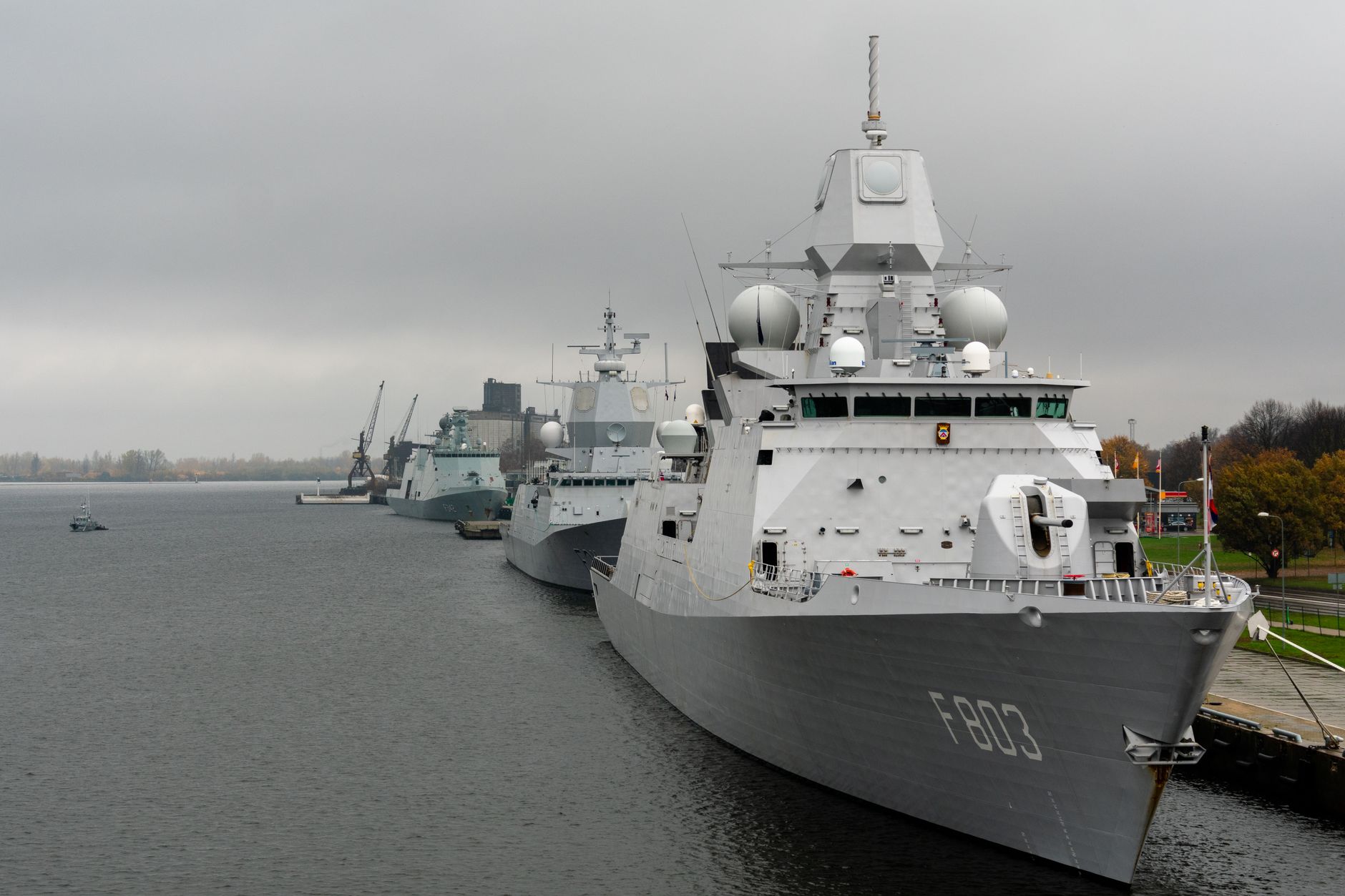
Europe entered the decade assuming NATO was a permanent fact of life and Washington a reliable backstop. That assumption is now under strain. With Donald Trump back in the White House and Russia still grinding forward in Ukraine, the European Union is facing a blunt test: can it protect its own security when the transatlantic relationship becomes transactional?
The immediate pressure point is defense spending, but the deeper problem is political. American demands for burden-sharing are no longer a polite nudge from allies; they are tied to the possibility of reduced support, shifting priorities or outright confrontation over trade and industrial policy. Europe can no longer treat security as something outsourced across the Atlantic while it focuses on regulation and redistribution at home.
That reality is reshaping the EU’s agenda. Defense procurement, ammunition production, border security and military mobility have all moved closer to the center of European policy-making. Even traditionally cautious capitals are being pushed toward the idea that the bloc needs more collective capability, not just more declarations. The war in Ukraine has turned defense from a niche issue into a measure of political seriousness.
Yet Europe’s problem is not only money. It is also speed, fragmentation and trust. National armies still buy differently, plan differently and answer to different political calendars. The EU can coordinate, but it cannot easily command. And if Washington becomes less patient while Moscow remains aggressive, half-measures will not look like prudence; they will look like weakness.
The next phase of the European project may be defined less by treaties and more by deterrence. For a union built on the promise that war had been tamed, that is a sobering turn. Europe is discovering that sovereignty is expensive — and that if it wants strategic dignity, it will have to pay for it.


