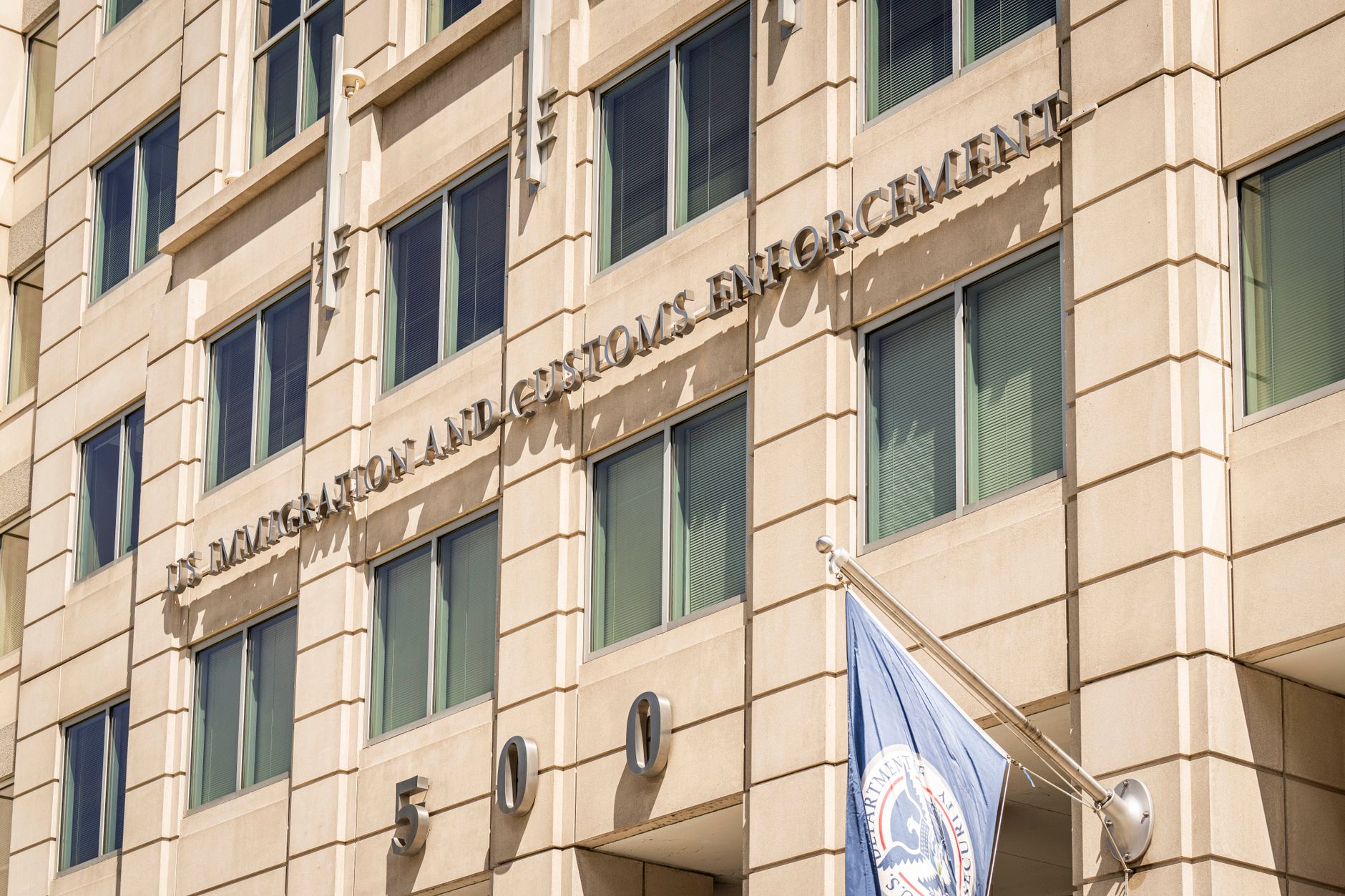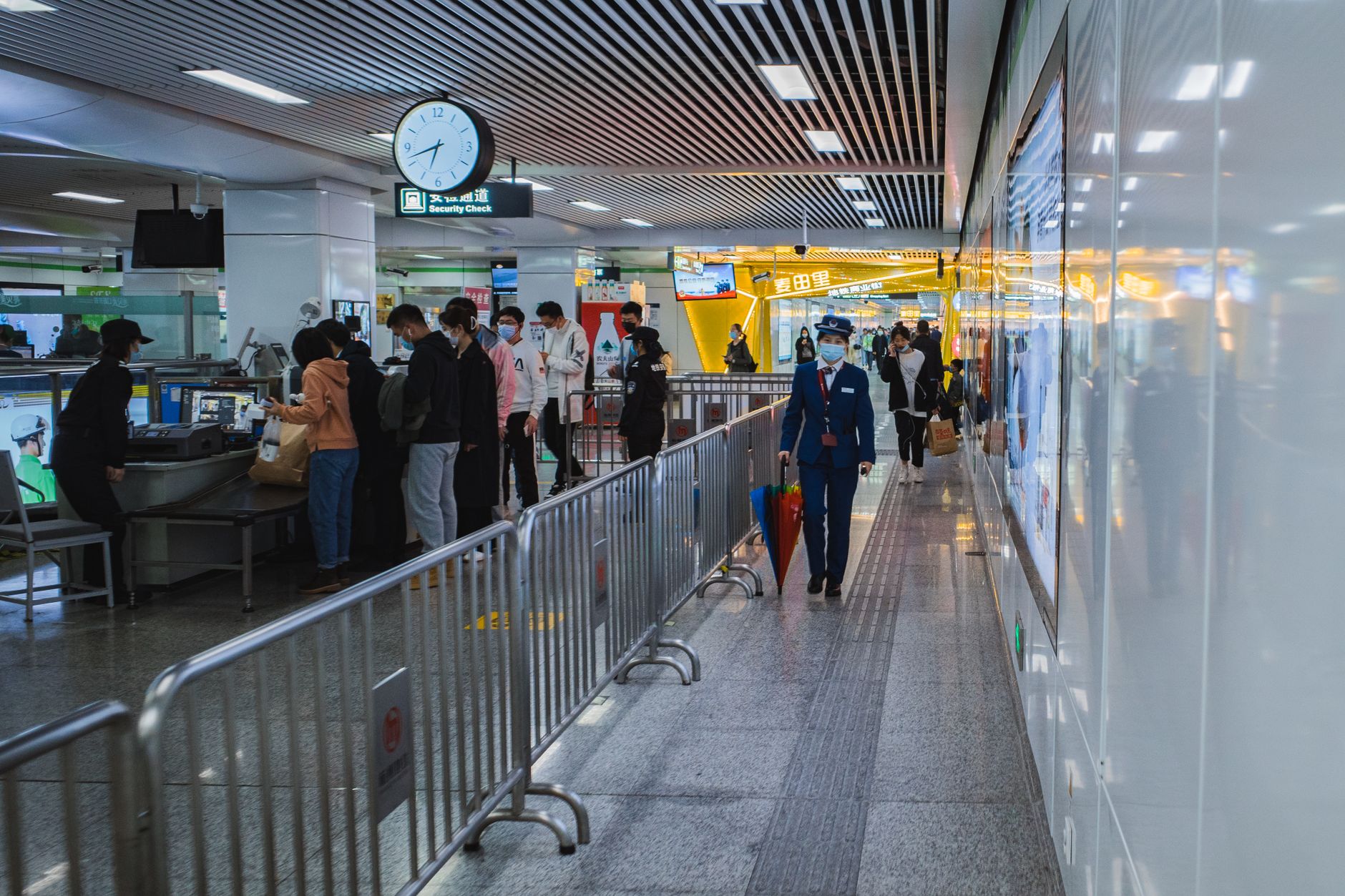
The Department of Homeland Security is tightening entry procedures for passengers arriving from Ebola hotspots in Africa, requiring flights carrying travelers who have recently been in the Democratic Republic of Congo, Sudan, or Uganda to land at Washington Dulles International Airport for enhanced screening. The move is a clear sign that the administration is treating the outbreak as a border-management issue as well as a public-health threat.
Officials continue to emphasize that the risk to the U.S. public remains very low, but the government is also acknowledging the seriousness of the situation abroad. With the World Health Organization reportedly upgrading the risk assessment in the Congo to very high and with hundreds of suspected cases and deaths under investigation, Washington is moving to reduce the odds of an imported case triggering domestic alarm.
This kind of response sits at the intersection of public health and immigration policy, which means it will be judged through two different political lenses. Supporters will call it prudent and targeted, a measured step to protect the public without resorting to panic. Critics may see a familiar pattern of border controls being used as a visible substitute for deeper investments in disease surveillance and global health preparedness.
The larger challenge is that the United States has learned, repeatedly, that diseases do not respect neat policy categories. Airport screening can slow risk, but it does not eliminate it. What matters just as much is international coordination, rapid testing capacity, and a federal response that can communicate clearly without amplifying fear.
For now, the administration is trying to project calm while tightening controls. That may be the right balance. But if the outbreak worsens, the question will shift quickly from how carefully the U.S. screened passengers to how ready it is for the next public-health shock.