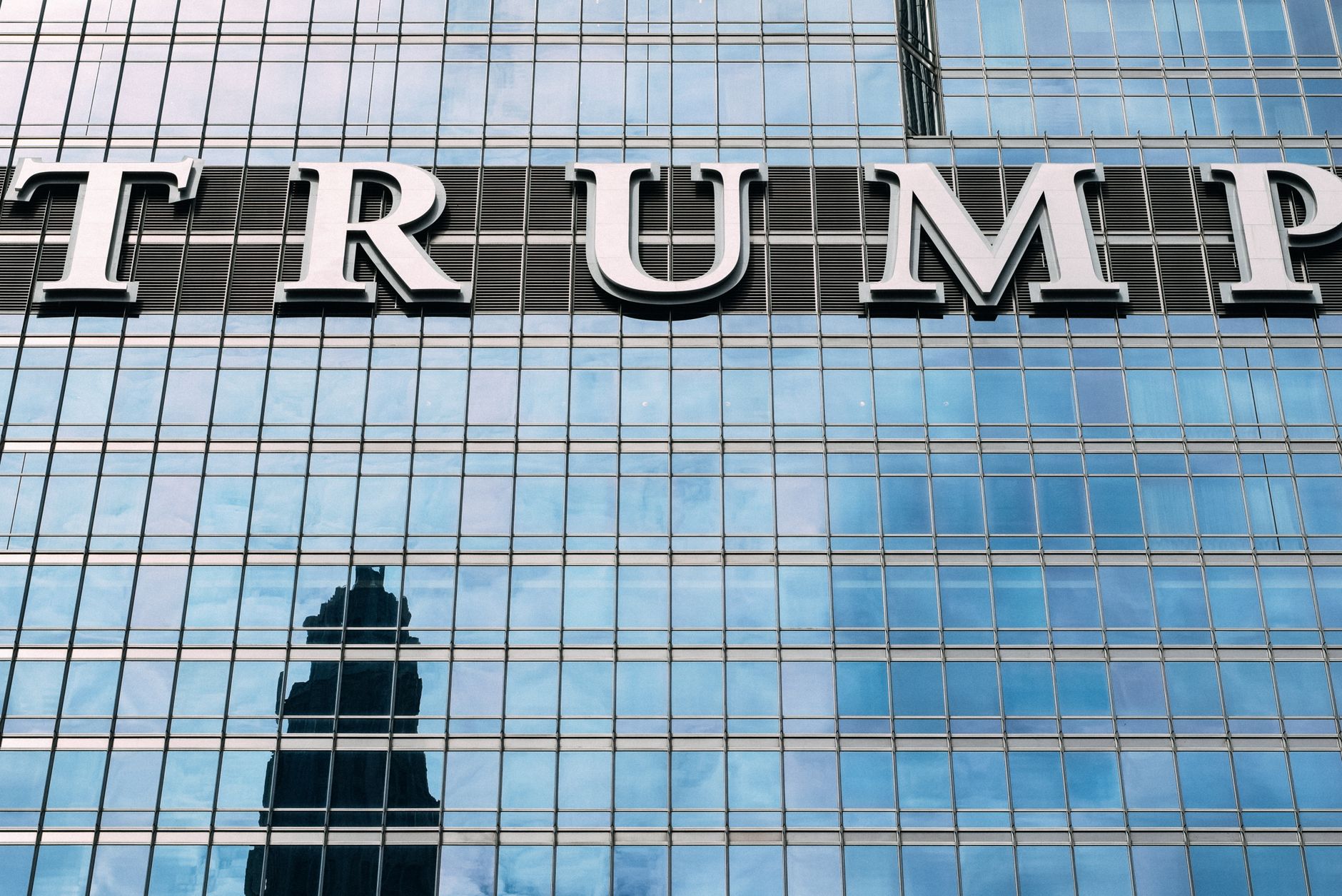
The Trump administration is closing the week looking less like a settled governing machine and more like a command center under permanent strain. A cabinet-level resignation, an industrial emergency in California, and new federal restrictions tied to Ebola travel routes together tell the story of an administration forced to juggle multiple fronts at once.
That matters because political power is not measured only by the number of decisions a White House makes. It is measured by whether those decisions appear coordinated, timely, and proportionate. Right now, the administration is acting on several urgent issues, but the cumulative effect is a government in reactive mode, responding quickly to the latest breaking problem rather than setting a confident agenda of its own.
This is especially important in a second-term environment, where the president typically wants to project mastery and momentum. Instead, the public sees churn: senior personnel changes, emergency measures, and a constant stream of announcements that underline how little room there is for a governing pause. That kind of atmosphere can energize loyalists who value decisive action, but it can also unsettle voters who associate stability with competence.
The challenge for the White House is that crises do not arrive one at a time. Public health can spill into immigration policy, domestic disasters can expose infrastructure weaknesses, and personnel upheaval can complicate every other task. The administration’s problem is not the absence of action; it is the difficulty of making all that action look like a plan.
If the next few weeks bring more turnover or more emergency responses, the central question will become sharper: is this simply a demanding moment for the presidency, or is it the new normal of a government built to move fast but not necessarily to settle down? For now, the answer seems uncomfortably close to the latter.