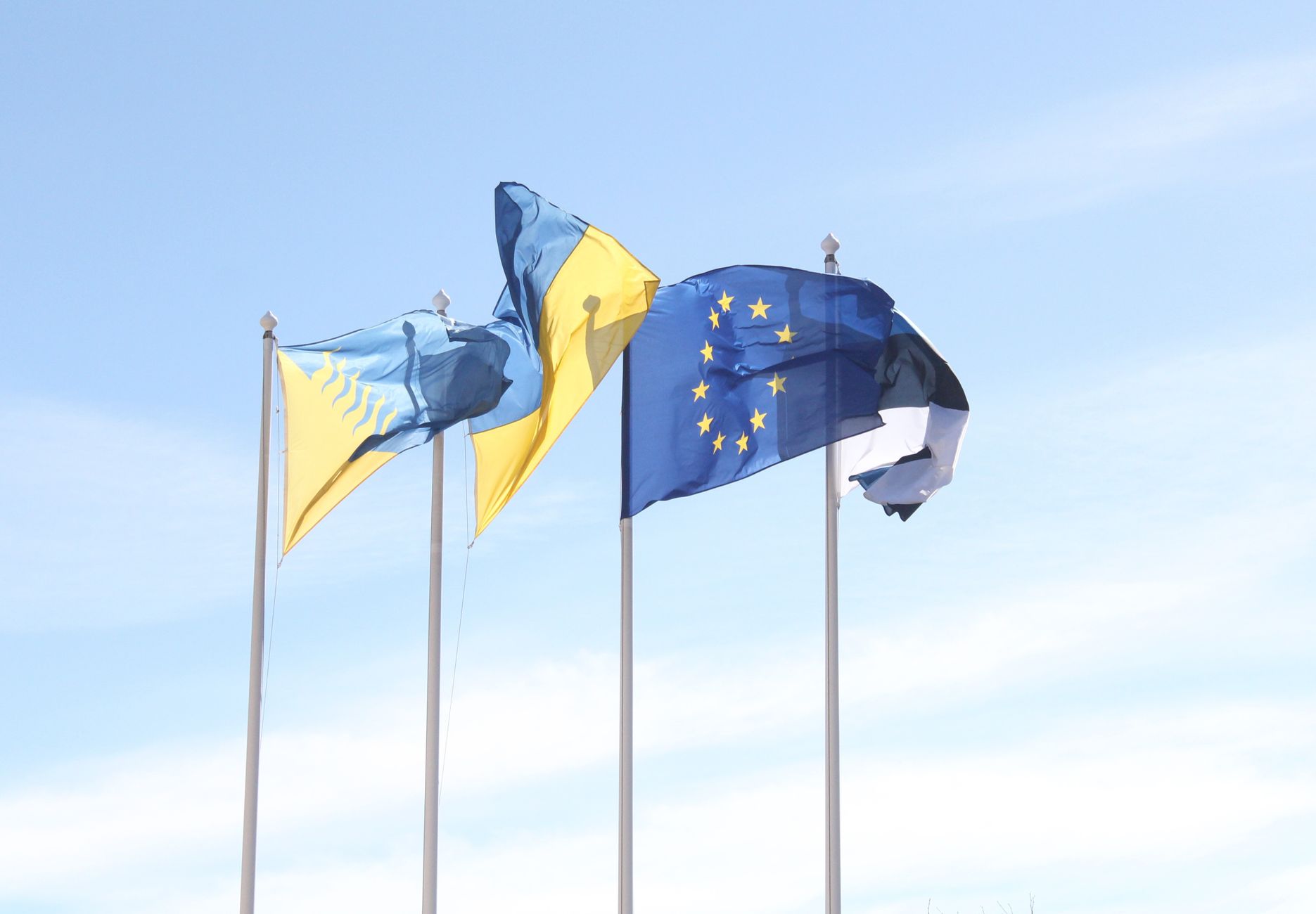
The European Union is entering 2026 with fewer illusions about the world around it. Russia’s war in Ukraine has already forced a wholesale rethink of European security, while a shifting US posture has sharpened pressure on allies to spend more, act faster, and defend themselves with fewer assumptions of American cover.[2][1]
That shift is more than military. It is changing the EU’s governing logic, pushing foreign policy, trade, industrial strategy and defence into the same room. As one analysis argues, the bloc is moving toward a more geopolitical order in which economic statecraft, institutions and law are still central, but are increasingly backed by hard power.[1]
Brussels now talks more openly about strategic autonomy, supply-chain resilience and industrial policy, language that would once have sounded peripheral in the EU’s self-image. The problem is that Europe’s institutions were built to regulate markets and reconcile differences, not to act decisively in a world of coercion, war and rivalry.
That tension is visible in debates over Ukraine’s eventual accession, the future of NATO burden-sharing and how far the EU should go in shielding key sectors from foreign pressure. Europe is trying to preserve openness while hardening itself against the costs of openness, a balancing act that is becoming more difficult as the global order fragments.[1][3]
The deeper question is not whether Europe can remain relevant, but what kind of power it wants to be. The answer will define not just its external posture, but the credibility of the European project itself.