The Fluid Frontier of Fame
In April 2026, pop culture no longer unfolds in tidy arenas of film premieres or chart-topping singles; it seeps into every crevice of daily life, blending entertainment with commerce in a seamless, often insidious flow. Legacy brands like L’Oréal Paris are partnering with cinematic reboots such as The Devil Wears Prada 2, crafting custom Academy Awards ads that drape high fashion in aspirational glamour. Meanwhile, Dua Lipa, the pop provocateur turned Nespresso global ambassador, embodies the musician's pivot to lifestyle icon, her influence peddled to millennials craving cultural cachet. These aren't mere endorsements; they're symbiotes, where personalities and corporations co-author the narratives that define our desires.
This intersection isn't accidental. As streaming platforms battle for supremacy—Netflix hoarding exclusive blockbusters, Disney+ doubling down on franchise fatigue, and upstarts like Max fragmenting the audience further—the industry has weaponized celebrity to cut through the noise. The result is a pop culture ecosystem where authenticity is the ultimate commodity, traded not in authenticity's name but in its simulation. Trends from April's cultural pulse, as cataloged in exhaustive trend reports, reveal brands and stars collaborating to forge 'culturally resonant experiences,' a euphemism for engineered obsession.
'April 2026 pop culture trends illustrate an increasingly fluid intersection of entertainment, commerce, and identity.' — TrendHunter's Top 100
Yet beneath the gloss lies fracture. Social trends amplify every whisper into a roar, turning personal missteps into public inquisitions. The streaming wars, once a gold rush, now resemble trench warfare, with subscriber churn rates hitting record highs and ad-tier models alienating cord-cutters who once dreamed of liberation from cable's tyranny.
Streaming's Savage Evolution
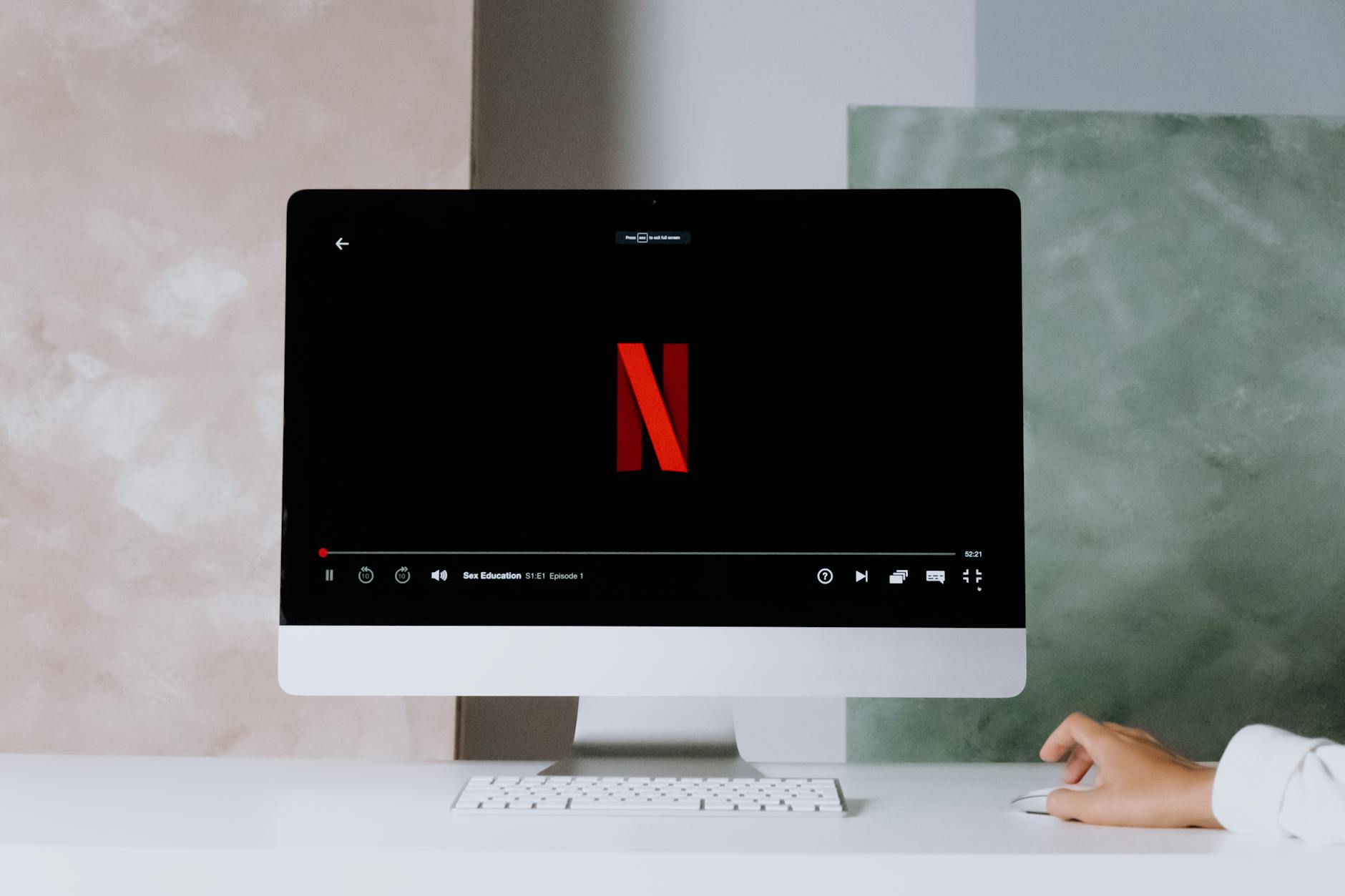
By spring 2026, the streaming landscape is a coliseum of depleted arsenals. Netflix, the erstwhile king, reports stagnant growth amid accusations of content bloat—endless true-crime docuseries and algorithm-fueled rom-coms that viewers binge out of inertia rather than passion. Disney+, buoyed by Marvel's multiverse sprawl and Star Wars spin-offs, faces backlash for 'franchise fatigue,' with audiences pleading for originality over nostalgia porn. Paramount+ and Peacock scrape by on sports rights and legacy IP, while Warner Bros. Discovery's Max experiments with live events to mimic traditional TV's watercooler moments.
The numbers tell a grim tale: global streaming subscriptions plateaued at 1.5 billion in Q1 2026, per industry analysts, as households consolidate to two or three services max. Password-sharing crackdowns backfired, driving users to pirated alternatives fortified by AI-enhanced quality. Enter the ad-supported tier revolution—Netflix's basic-with-ads plan now claims 40% of its U.S. base, proving that free(ish) content is the new premium. But this pivot commodifies attention, inserting unskippable plugs amid the escapism, eroding the ad-free utopia streamers once promised.
Content strategies have morphed accordingly. Short-form vertical video hybrids dominate, with platforms like TikTok launching full-fledged streaming arms that blur lines between social media and cinema. Imagine scrolling through a 90-minute film chopped into dopamine hits—it's not dystopia; it's the 2026 Emmys frontrunner. Film festivals like Sundance pivot to virtual hybrids, where indie darlings vie for streaming bids before theatrical runs. The result? A democratization of access paired with a homogenization of taste, all dictated by data dashboards that prioritize 'completion rates' over artistic merit.
In music, the streaming model fares no better. Spotify's audiobook foray and Joe Rogan podcast monopoly underscore a shift from songs to 'audio entertainment bundles.' Artists like Taylor Swift, who once railed against the system, now thrive by gamifying fan loyalty through exclusive vinyl drops and Ticketmaster strangleholds. But for mid-tier acts, royalties remain a pittance—less than a penny per stream—fueling a renaissance of live touring and merch empires. Dua Lipa's Nespresso deal exemplifies this: why rely on Spotify scraps when you can hawk coffee pods to the masses?
Celebrity's Carnival of Controversies
Celebrities, those fragile demigods, navigate this chaos with a tightrope walk between adoration and annihilation. 2026's scandals aren't tawdry affairs; they're ideological flashpoints amplified by social algorithms. Take the fallout from Hollywood's latest #MeToo wave: A-lister Chris Pine's alleged set misconduct on a prestige drama ignited boycotts, with TikTok campaigns tallying millions of views before due process. Pine's response—a mea culpa docuseries on Hulu—turned victimhood into content, a masterclass in reputational jujitsu.
Across the pond, K-pop's global hegemony cracks under labor abuse exposés. BTS's post-military hiatus leaves a void filled by fifth-gen groups like NewJeans, whose mentor-protégé drama spirals into lawsuits, exposing the industry's exploitative underbelly. In the U.S., rap beefs evolve into cultural wars: Drake vs. Kendrick Lamar 2.0 devolves into AI-generated diss tracks, blurring artistry and automation. Fans don't just stan; they litigate, doxxing rivals in subreddit wars that spill into real-world harassment.
Women bear the brunt. Margot Robbie's production banner, once a feminist triumph with Barbie's billion-dollar haul, faces scrutiny over 'woke-washing' in its diverse-led slate. Critics decry tokenism, while supporters hail progress. Dua Lipa, ever the chameleon, dodges bullets by leaning into 'serviceable pop'—critic-speak for hits that unite rather than divide. Her Nespresso gig, unveiled with a star-studded ad featuring cameos from fashion elite, cements her as the anti-controversy queen: aspirational, unthreatening, profitable.
Social trends weaponize these narratives. 'Quiet luxury' yields to 'revenge dressing,' where influencers flaunt hauls amid economic gloom. Mental health disclosures, once taboo, become branding tools—Selena Gomez's latest album doubles as therapy session, streamed 500 million times in week one. Yet authenticity rings hollow when ghostwriters and PR firms orchestrate the vulnerability.
The Commerce of Culture
Brands aren't spectators; they're puppeteers. L’Oréal's Devil Wears Prada 2 tie-in, timed for Oscars buzz, sells not lipstick but 'runway readiness,' with AR filters letting users 'try on' Meryl Streep's iconic bob. Nespresso's Lipa alliance targets Gen Z's coffee ritual, blending her Service95 newsletter ethos with pod perfection. This isn't product placement; it's cultural co-creation, where ads masquerade as entertainment.
Trend reports for April 2026 highlight this fusion: from Glossier's metaverse pop-ups to Supreme's NFT resurgences, commerce infiltrates identity. Food trends mirror the chaos—'nostalgia snacks' like revamped Dunkaroos pair with viral TikTok recipes, while 'clean girl' diets give way to 'hot girl walks' as wellness mantras. Fashion's 'ins' include mob wife aesthetics (think The Sopranos fur coats), outs: skinny jeans, mercifully buried.
Yet backlash brews. Ad fatigue breeds 'digital detox' movements, with apps like Reclaim boasting 10 million users blocking social feeds. Celebrities counter with 'unplugged' retreats, monetized via Substack subscriptions. The irony? Pop culture's most rebellious act is opting out—into another paid experience.
Social Currents and the Algorithmic Tide
Social media, the great leveler, now curates chaos. X's (formerly Twitter) algorithm favors outrage, turning celeb tweets into meme fodder. Threads gains traction with civil discourse, but Instagram Reels reigns supreme, compressing trends into 15-second loops. 'Ins' for 2026: micro-influencers with niche authenticity; 'outs': mega-influencers exposed as bought.
Global currents add layers. Bollywood's OTT boom challenges Hollywood, with Mirzapur Season 4 topping Prime Video charts worldwide. Afrobeats crosses over via Burna Boy's Coachella headliner slot, displacing EDM dinosaurs. Gaming bleeds into entertainment—Fortnite concerts draw bigger virtual crowds than arenas.
Identity politics infuse it all. DEI mandates wane amid 'anti-woke' backlashes, yet diverse casts dominate box office. Taylor Swift's Eras Tour film extension grosses $2 billion, proving white-girl fandom's enduring power. Meanwhile, queer representation surges in indie streaming, from Heartstopper spin-offs to trans-led horror.
Toward an Uncertain Horizon
Pop culture in 2026 is a hall of mirrors: infinite reflections of our hungers, fears, and fads. Streaming wars forge uneasy truces—rumors swirl of a 'Netflix-Disney' mega-merger—while celebrities morph into moguls, controversies into comebacks. Brands like L’Oréal and Nespresso don't just sponsor; they script the zeitgeist.
Yet glimmers of reinvention persist. Underground scenes thrive on Discord and Patreon, birthing the next TikTok virals. AI tools democratize production—fan-edited films win Sundance nods. As algorithms evolve, so do we, chasing connection in a fractured spectacle.
The question lingers: in this fluid frontier, who authors the story? Stars? Studios? Or the faceless data overlords? April's trends suggest a collective authorship, messy and magnificent, where entertainment isn't consumed—it's inhabited. In 2026, we're all extras in the grand production, scrolling for our close-up.