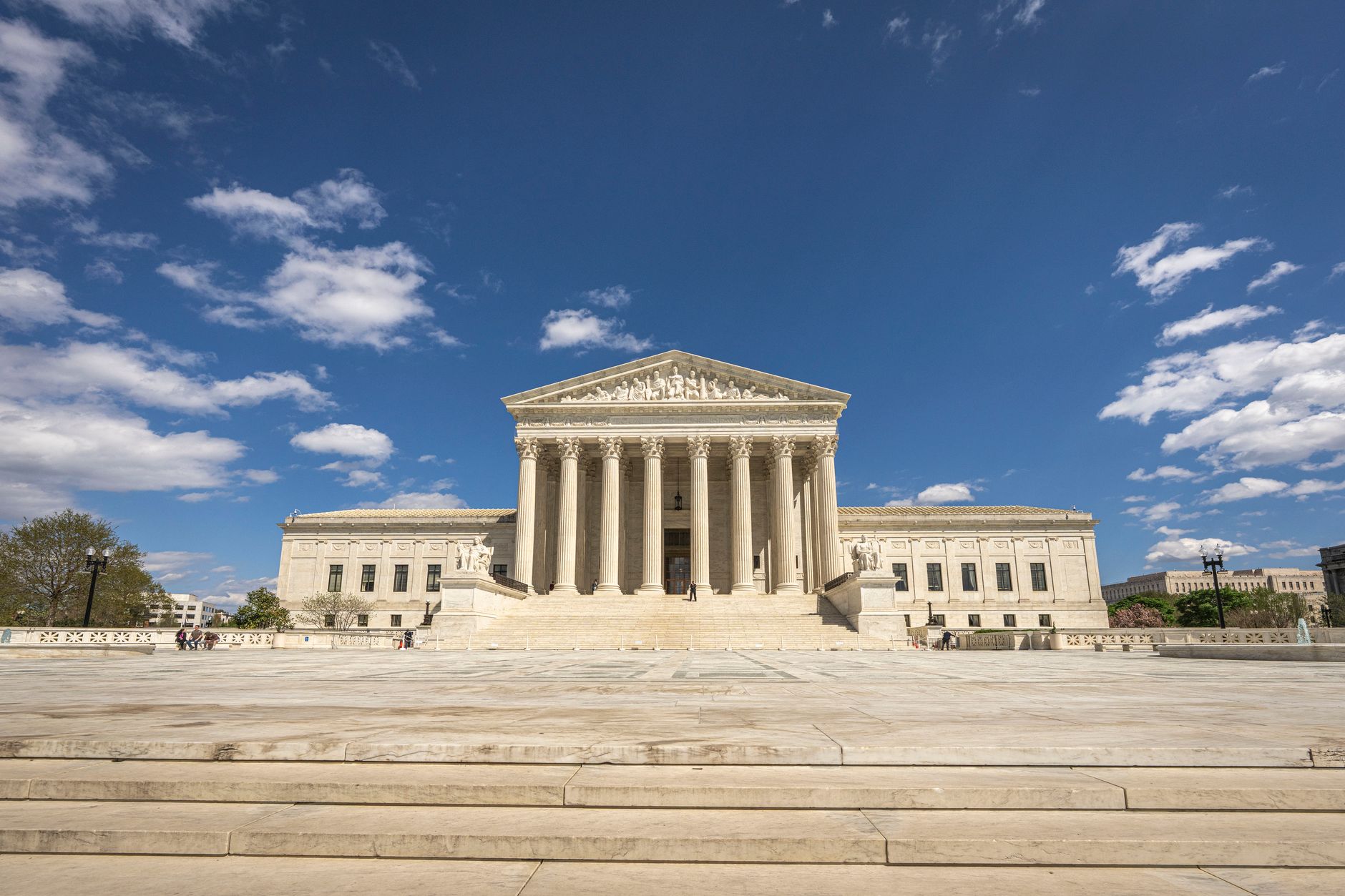
The Supreme Court sided with the Trump administration and blocked a free-speech lawsuit involving federal immigration judges, overturning a lower court ruling that had allowed the case to proceed. The lawsuit, filed in 2020, challenged a government rule that restricts how judges may speak publicly.
The immediate legal question is narrow, but the political significance is larger. Immigration judges sit inside an intensely politicized system, and speech restrictions can determine how much internal disagreement reaches the public. By ending the case early, the Court limited one of the few channels through which judges could challenge the boundaries imposed on them.
That matters because the administration is not just enforcing immigration law; it is shaping the terms under which officials inside the system can criticize it. When government employees face tighter speech rules, the practical result is often less transparency and fewer public checks on executive policy.
The decision also fits a broader trend in this administration’s relationship with the judiciary: press ahead, challenge opponents to litigate, and rely on the Court to prune away resistance when possible. For the White House, that approach reduces institutional friction. For critics, it concentrates power in the executive branch and narrows the space for dissent.
The case will likely reverberate beyond immigration. Federal workers across agencies are watching closely, because rules designed for one set of judges can become a template for disciplining speech elsewhere. In Washington, the message is unmistakable: if you work inside the system, the costs of speaking out are rising.