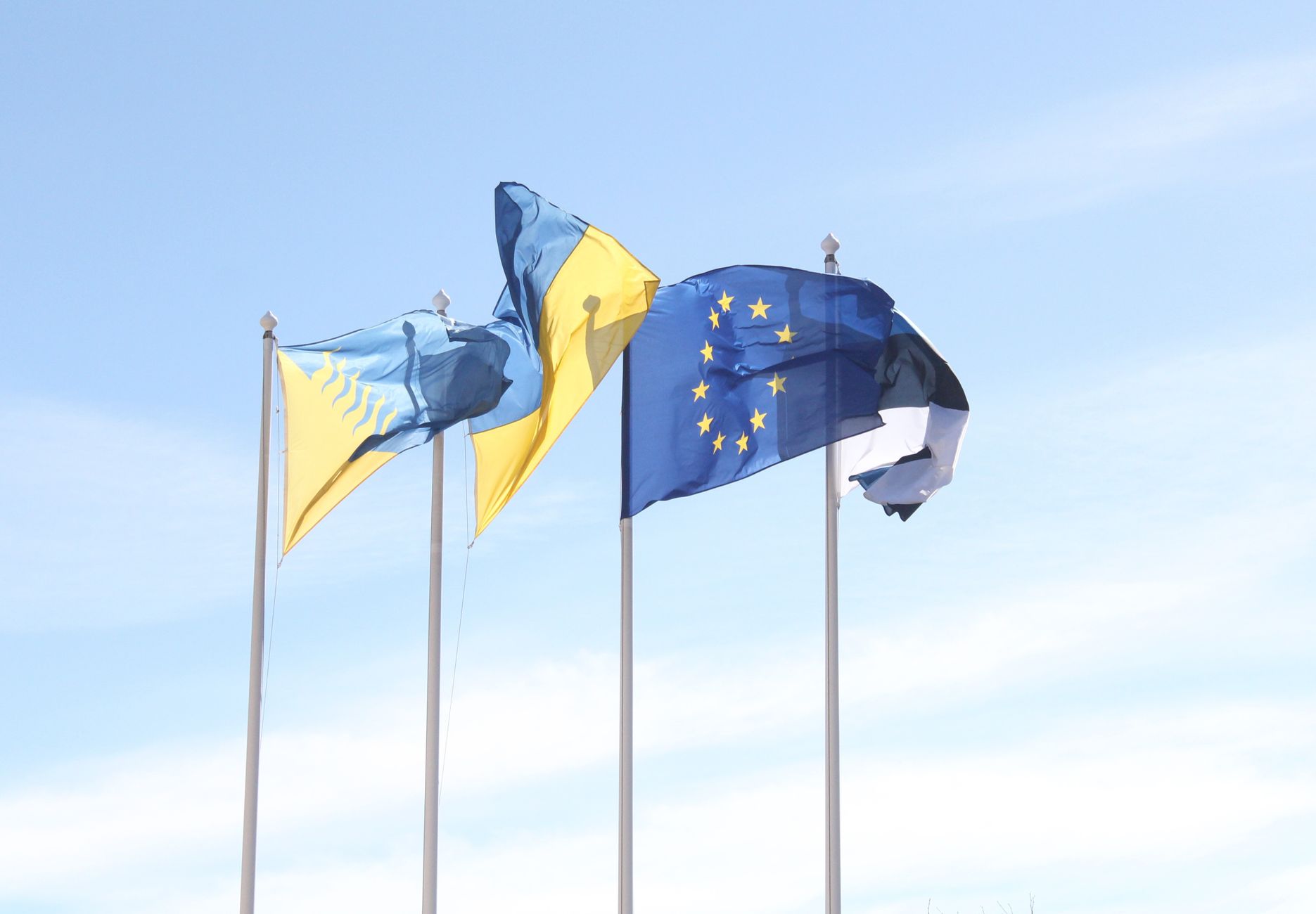
The European Union’s new political line is blunt: enlargement is not just about supporting neighbors, it is about power. The Commission’s 2024-2029 agenda links enlargement to greater global influence, wider regional stability and a more effective European foreign policy.[2]
That is a major shift in tone. For years, enlargement often sounded like a technical process managed through chapters, benchmarks and accession reports. Now it is presented as part of a broader strategy to anchor peace, partnerships and economic stability across Europe’s neighborhood while reinforcing the Union’s own standing.[2]
The problem is that a bigger Union will also be a harder Union to run. The same priorities that celebrate enlargement also call for reforms to ensure the proper functioning of a larger bloc and for a simpler, more impactful EU budget.[2] That is an unusually candid acknowledgment that the institution-building required for expansion has not kept pace with the politics of expansion itself.
This tension is structural, not temporary. A 2024 policy analysis of the von der Leyen Commission argued that transatlantic strain, enlargement debates and internal reforms will shape the next European Commission, while balancing geopolitical ambitions with EU values remains a persistent challenge.[3] In other words, the EU wants to expand its reach just as the rules-based consensus that once made expansion easier is under strain.
The case for enlargement is clear enough: a stronger Europe needs a larger strategic perimeter and a more stable neighborhood. But the test for Brussels is not whether it can keep enlargement alive as a slogan. It is whether it can redesign decision-making, budgeting and governance so the next Union does not become less coherent as it becomes more ambitious.[2][3]
Europe’s enlargement debate is therefore no longer a debate about geography alone. It is a test of whether the EU can still convert political ideals into institutional capacity before the region’s history moves faster than its procedures.