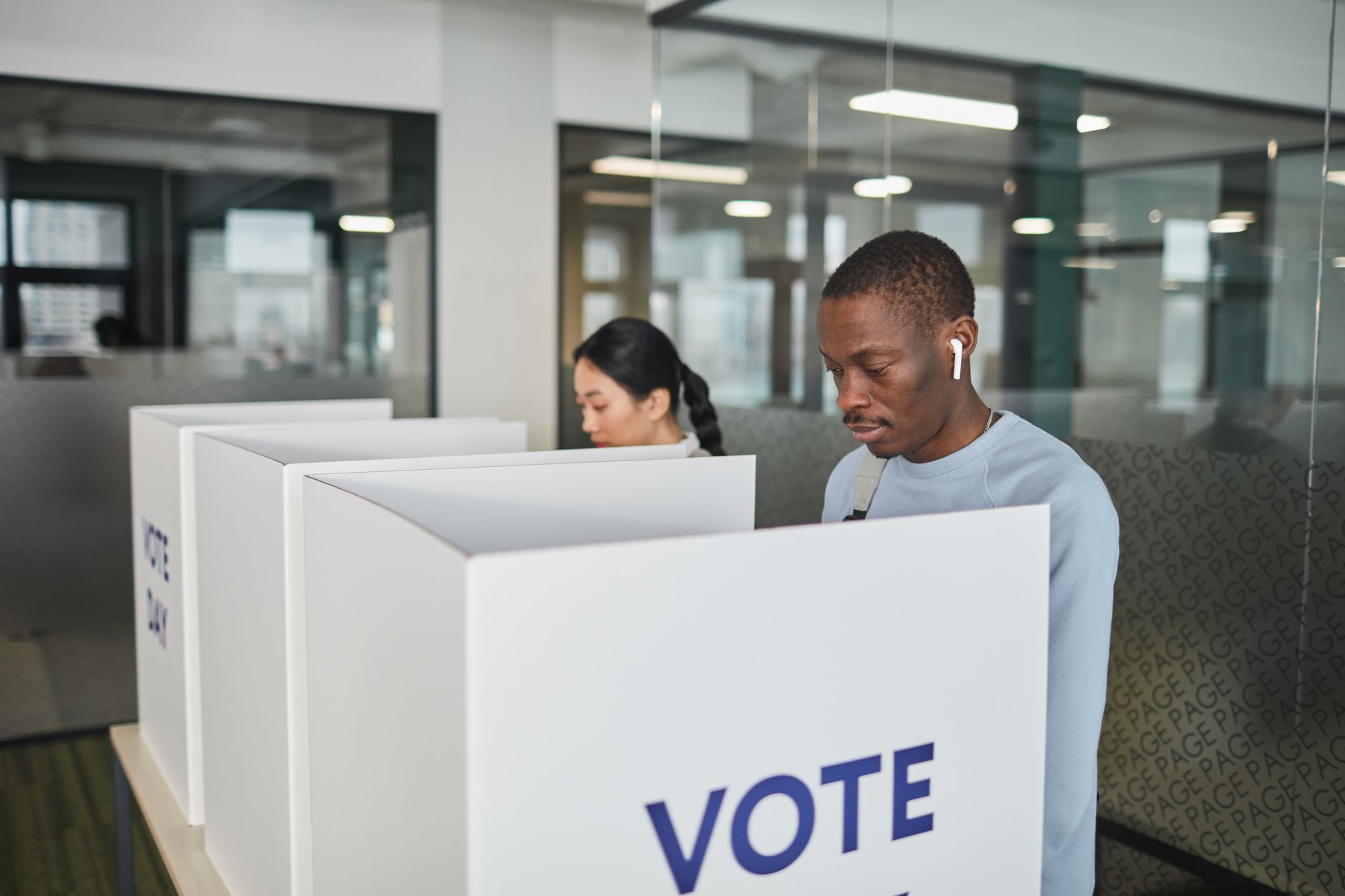
Africa’s 2026 political calendar is unusually crowded, with elections and political transitions spreading across multiple regions. Uganda has already held its general elections, Benin has completed parliamentary polls, and Zambia is preparing for a presidential and parliamentary vote in August.
That volume of voting does not automatically signal democratic health. In several countries, elections are arriving after years of distrust, weakened opposition spaces, and public frustration over jobs, prices, and state performance. The ballot box is still central, but in many places it is no longer enough to guarantee legitimacy.
The deeper pattern is familiar: incumbents are trying to convert institutional control into electoral advantage, while opposition movements struggle to organize under tighter conditions. Meanwhile, election administrators across the continent are increasingly forced to sell not just process, but belief — the belief that registration, turnout, and participation still matter.
South Africa’s push for voter registration ahead of local elections later in the year fits that wider problem. The challenge is no longer only how to hold elections, but how to make them matter to voters who have grown skeptical of the promises attached to them.