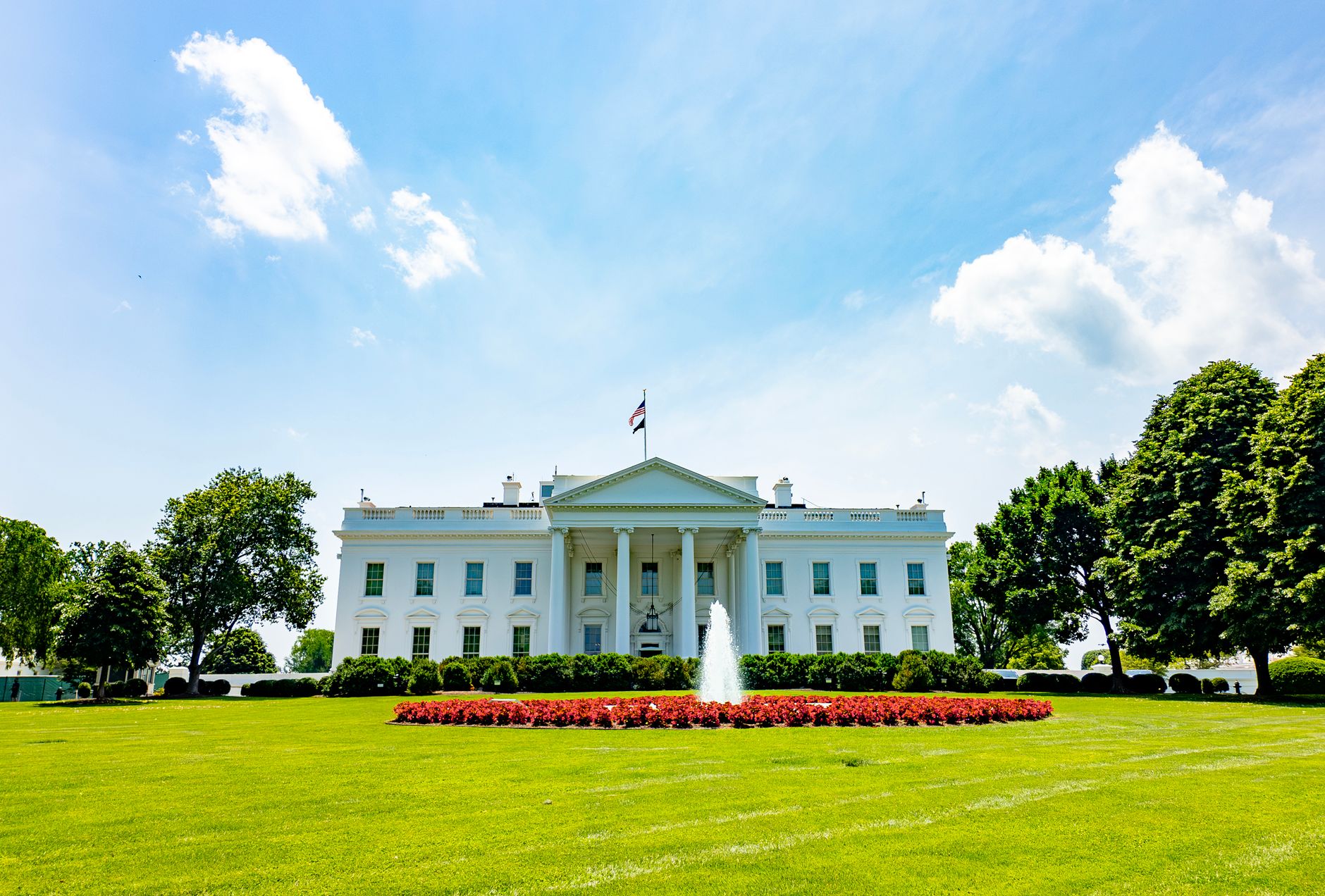
The administration’s handling of America’s 250th anniversary is drawing attention for all the wrong reasons. Reports and public discussion have focused on the Rose Garden being paved over, East Wing demolition, a UFC arena proposal on the South Lawn, alterations around the Kennedy Center and Lincoln Memorial reflecting pool, and even an Arlington triumphal arch plan.[1]
Taken together, these are not just aesthetic choices. They suggest a presidency that sees national landmarks less as shared civic spaces than as platforms for branding, display and power projection.[1] That is a notable shift in a country where the symbolic architecture of government has traditionally been designed to project continuity and restraint.
The political danger is that the anniversary is now being framed as a mess rather than a milestone. Instead of consensus about what the American story means in 2026, the public is being presented with elite infighting, performance politics and a White House that appears more interested in remaking the setting than in repairing the substance of governance.[2]
That same atmosphere is feeding broader distrust. When the public sees national monuments and executive spaces treated like props, it becomes easier to believe that institutions are being personalized for the benefit of the president’s circle rather than maintained for the country at large.[1]
The result is a deeper erosion of civic seriousness. A 250th anniversary could have been a moment to reset the public vocabulary around duty, memory and national purpose. Instead, it is becoming another reminder that in this era, even the nation’s symbols are not safe from political spectacle.