The Shadow of War Over Global Growth
In the spring of 2026, the world economy stands at a precipice, battered by resurgent inflation, the specter of recession, and geopolitical fissures that have shattered the fragile recovery of prior years. The International Monetary Fund's April World Economic Outlook paints a grim picture: global growth is projected at a meager 3.1 percent for the year, with headline inflation climbing to 4.4 percent—a stark reversal from the disinflationary path that had defined the post-pandemic era. This forecast, the IMF notes, assumes only a moderate 19 percent spike in energy commodity prices due to Middle East conflicts. In an adverse scenario, where disruptions intensify, growth could plummet to 2.5 percent, and inflation to 5.4 percent; a severe case sees both metrics collapsing further, with output shrinking to 2 percent and prices exceeding 6 percent.
The catalyst is unmistakable: war in the Middle East has halted momentum, echoing the 2022 commodity shock from Russia's invasion of Ukraine. That earlier episode drove global inflation to 1970s peaks, yet policymakers engineered a soft landing through synchronized tightening. Today, the stakes feel higher. A prolonged shutdown of the Strait of Hormuz or damage to drilling facilities could unleash chaos, with oil prices surging 80 percent and gas 160 percent from baselines, per IMF modeling. Commodity-importing emerging markets, already vulnerable, face currency depreciations that amplify the pain, fueling imported inflation and debt distress.
'The Middle East conflict halted growth momentum,' the IMF declares in its blog. 'The right policies and stronger global cooperation are needed to contain the damage.'
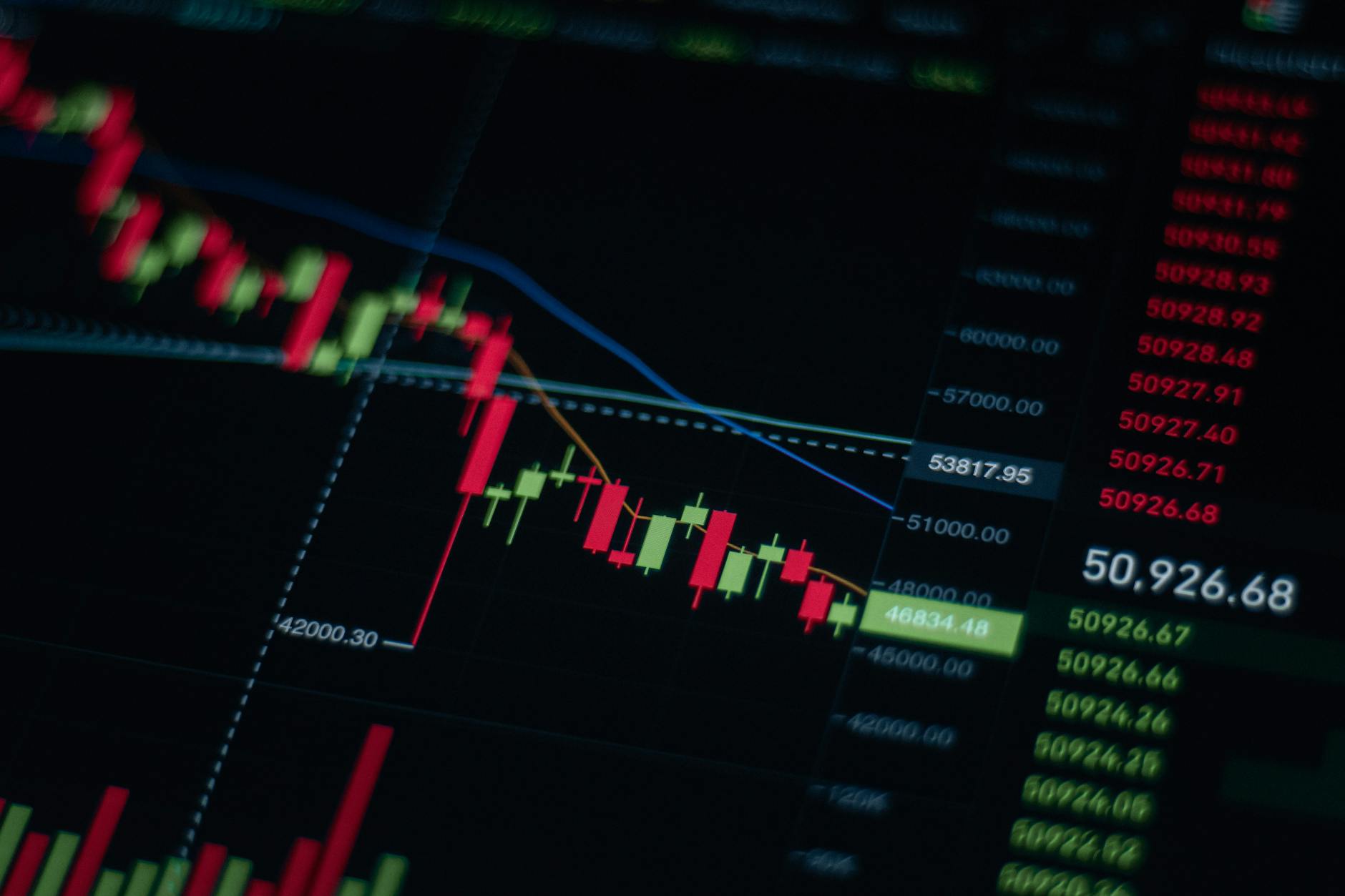
Independent economist John Simon, speaking to Sky News, captures the zeitgeist: the global economy is 'very fragile,' not facing a cataclysmic shock like the 1970s OPEC crisis, but besieged by 'one thing after another.' Risk-off sentiment in financial markets has already driven equity prices down and bond yields up, with emerging markets hit hardest by capital flight and a strengthening U.S. dollar.
Inflation's Stubborn Resurgence
Inflation, once tamed, now stalks the globe anew. The IMF highlights second-order effects: higher energy and food prices are eroding inflation expectations, particularly sensitive to these inputs. In advanced economies, one-year-ahead expectations could rise 50 basis points in baseline adverse scenarios, ballooning to 100 in worse cases. Emerging markets face even steeper jumps—130 basis points—exacerbating pass-through to consumer prices.
This resurgence complicates monetary policy. Central banks, having hiked rates aggressively post-2022, now confront entrenched price pressures amid slowing growth. Australia's predicament exemplifies the trap: major global banks warn of stagflation, where high inflation coincides with stagnant output, triggered by energy shocks rippling through household budgets. The combination of sticky prices and weakening demand risks a policy dilemma—tighten to quell inflation and invite recession, or ease and unleash prices further.
Corporate risk premiums are climbing, with IMF scenarios projecting 100 basis point rises in advanced economies and 200 in emerging markets excluding China. Sovereign spreads widen, tightening financial conditions and dampening aggregate demand. For households, the toll is immediate: elevated energy costs feed into transport, manufacturing, and food, squeezing real incomes and consumer confidence.
Recession Fears Mount
Recession whispers have become shouts. The IMF flags 'heightened risk' explicitly, urging governments to restrain spending and avoid overburdening central banks. Simon concurs, pegging odds at 'elevated' but tilting toward a 'shallow recession' if policymakers calibrate finely—though the margin for error is razor-thin.
Europe and Asia, energy-dependent, brace for the brunt. Gas prices could double relative to January baselines, per IMF adverse modeling, with food commodities up 2.5 percent. The World Bank, reflecting on a decade post-global financial crisis, notes persistent weakening momentum and downside risks—a pattern now accelerating. Stagflation looms largest in commodity importers, where depreciation compounds shocks.
In the U.S., resilient consumer spending has buffered blows, but rising yields and equity sell-offs signal cracks. China's property woes and subdued post-pandemic rebound add drag, while Europe's energy vulnerability—still scarred by Ukraine—amplifies vulnerabilities. A synchronized downturn, the IMF warns, could mirror 2008's depth if financial amplification takes hold.
Tariffs and the Trade War Revival
Layered atop commodity shocks are man-made fractures: tariffs and brewing trade wars. With protectionism resurgent, supply chains—already strained by pandemic disruptions and geopolitical rifts—face new headwinds. The U.S., under a hawkish trade posture, has imposed steep tariffs on key imports, from Chinese electronics to European autos, justified as national security measures but rippling globally.
Retaliation is swift. The EU counters with duties on American agriculture and tech, while Beijing escalates restrictions on rare earths and semiconductors. These barriers inflate costs, mirroring inflation impulses from energy. IMF analysis underscores amplification: trade frictions raise input prices, disrupt just-in-time logistics, and force costly reshoring—benefits elusive amid labor shortages.
Emerging markets suffer most. Vietnam and Mexico, beneficiaries of 'friendshoring,' now grapple with rerouted flows and tariff escalations. India's manufacturing ambitions falter as U.S. duties bite. Global trade growth, once a 4 percent engine, slows to 2.5 percent, per implicit IMF baselines, shaving 0.5 points off GDP.
Trade wars exacerbate recession risks by eroding business confidence. Investment stalls as firms hoard cash amid uncertainty, echoing 2018-2019 U.S.-China skirmishes but on a broader front. Multilateralism, embodied by the WTO, atrophies, with dispute settlements paralyzed.
Supply Chains in Tatters
Supply chains, the invisible arteries of globalization, are hemorrhaging. War-induced shipping disruptions through the Red Sea and Hormuz mirror 2021's Suez blockages but scaled up. Container rates have tripled since January, idling factories from Germany to Guangdong.
Tariffs compound this. Firms accelerate diversification—'China plus one' strategies pivot to Indonesia and Eastern Europe—but transition costs soar. Semiconductors, battered by U.S. export controls, face shortages anew, hobbling autos and appliances. Just-in-time inventories, optimized for efficiency, prove brittle against shocks.
The IMF's financial stability report flags contagion: supply disruptions fuel inflation while crimping output, a stagflationary cocktail. Developing economies, reliant on imported intermediates, see currencies plunge, importing deflationary recessions. Resilience investments—redundant capacity, nearshoring—lag, as capex shifts to AI and green tech compete for scarce capital.
The Housing Crisis Deepens
No malady afflicts more acutely than the housing crisis, intertwined with macroeconomic woes. High interest rates, hiked to combat inflation, have frozen mortgage markets. In the U.S., 30-year rates hover near 7 percent, pricing out buyers and trapping owners with sub-3 percent loans—a 'lock-in' effect curbing supply.
Europe fares worse: ECB rates at 4.5 percent crush affordability amid energy-driven construction costs. The UK, post-Brexit, sees rents surge 10 percent year-over-year. Emerging markets like Brazil and South Africa face evisceration—dollar debts balloon with currency slides, defaults spike.
China's property implosion, a multi-trillion overhang, drags growth. Evergrande's successors falter, local governments strapped by fiscal woes. Globally, housing equity—once a wealth buffer—evaporates, crimping consumption as households deleverage.
Policy responses falter. Rent controls backfire, supply freezes; subsidies strain budgets amid IMF spending cautions. The crisis feeds recession: construction, a cyclical anchor, contracts 5-10 percent, multiplier effects rippling through jobs and steel.
IMF and World Bank: Conflicting Calls
The Bretton Woods twins offer divergent tones. The IMF, hawkish, prioritizes inflation containment: fiscal restraint, targeted support, global cooperation. Its April outlook stresses policy recalibration—avoid fiscal dominance, anchor expectations.
The World Bank, reflecting on post-recession scars, urges countercyclical measures for vulnerable nations. Yet consensus emerges on cooperation: coordinated reserve sharing, trade facilitation. Both decry fragmentation, but execution lags amid nationalism.
Navigating the Storm
Pathways forward are fraught. Central banks may pause hikes if growth craters, risking unanchored inflation. Fiscal space narrows—U.S. debt at 130 percent GDP, Europe at 90 percent—limiting stimulus. Geopolitics demands de-escalation: ceasefires, diversified energy via LNG and renewables.
Trade thaw seems distant; tariff reversals hinge on elections. Supply chain fortification requires public-private pacts, subsidies for resilience. Housing demands deregulation—easing zoning, incentives for builds—paired with affordability aid.
Optimists eye upsides: AI productivity, green transitions. But fragility reigns. As Simon warns, 'something to be nervous about.' Policymakers must thread the needle—douse inflation without sparking depression, mend chains without entrenching silos. The global economy's fortress crumbles; rebuilding demands uncommon unity in uncommon times.
(Word count: 1,728)