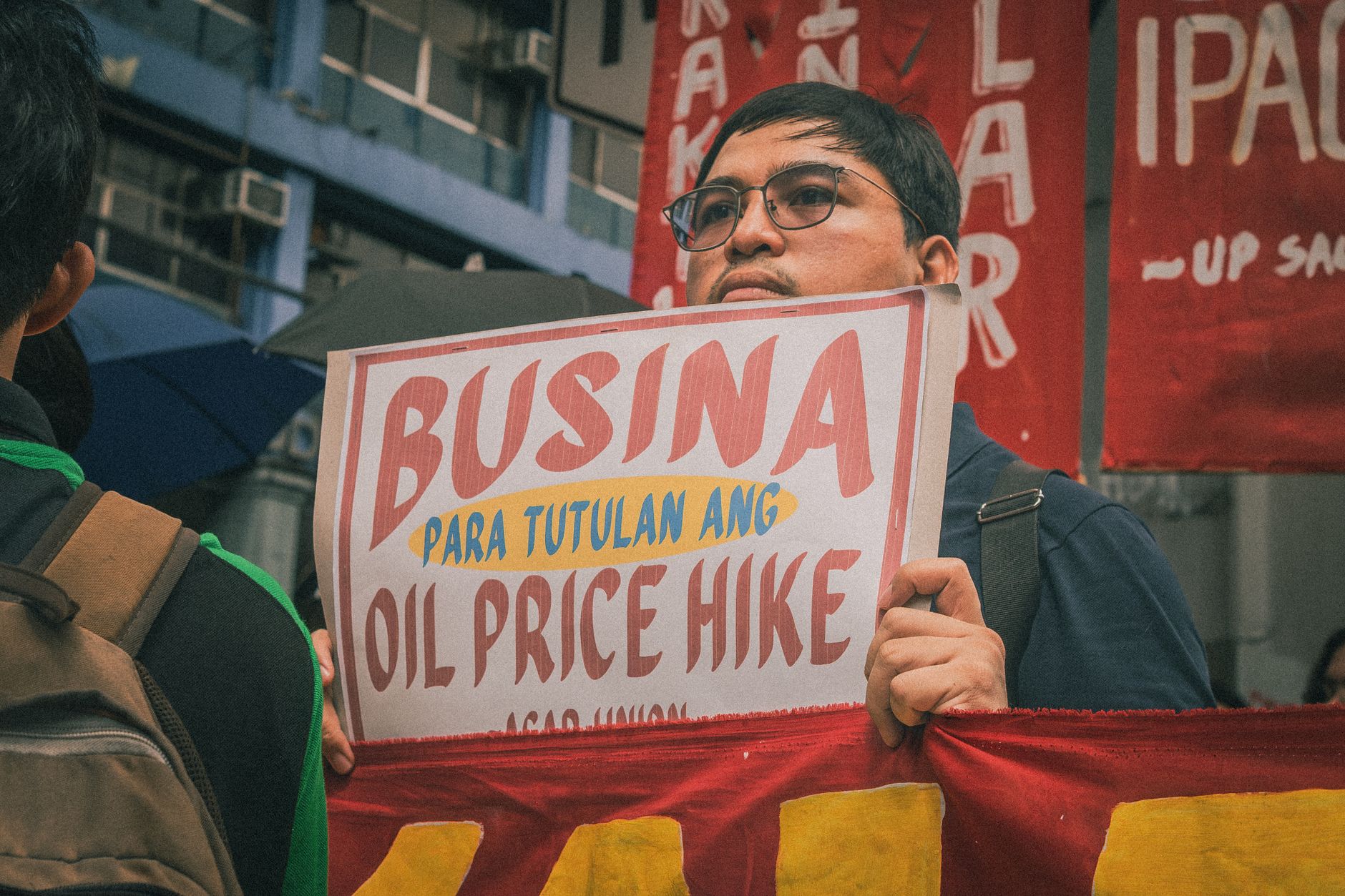
The Iran war is now reverberating through Asia-Pacific capitals as an energy and trade shock, not just a security crisis. Southeast Asian leaders have already struggled to produce a coordinated response to the pressure on fuel supplies and prices, underscoring how quickly a Middle East conflict can destabilize Asian economies.
At recent ASEAN talks, leaders failed to agree on a coordinated energy strategy even as the war squeezed regional supplies. That failure matters because Southeast Asia is highly exposed to imported energy, and any disruption to shipping through the Strait of Hormuz quickly turns into higher costs for transport, manufacturing, and households.
Vietnam has used the crisis to make a broader political point. At the Shangri-La Dialogue, Vietnamese leader To Lam warned that global consequences can flow from regional conflict, using Hormuz as a cautionary example for Asia-Pacific rivals. The message was clear: maritime chokepoints are not abstract map features; they are economic pressure points.
That argument is gaining traction because Asia sits at the center of the world’s sea lanes. Major trade routes run through the Indonesian Straits of Sunda, Lombok, and Malacca, and the region depends on uninterrupted maritime commerce for both exports and imports. Any erosion of that system would hit the Asia-Pacific first and hardest.
The strategic response is still uneven. Some governments are looking for new LNG contracts, others are pushing renewables task forces, and others are trying to diversify suppliers. But the common thread is unmistakable: the Gulf crisis has exposed how little room Asia has to absorb another energy shock.