Europe is entering a world that no longer resembles the one it helped design after the Cold War. One influential forecast for 2026 describes a quadripolar order, with power divided among the American sphere, the Chinese sphere, the Russian sphere and a broader faith-driven zone, leaving the European Union without the kind of stable strategic environment it once took for granted.
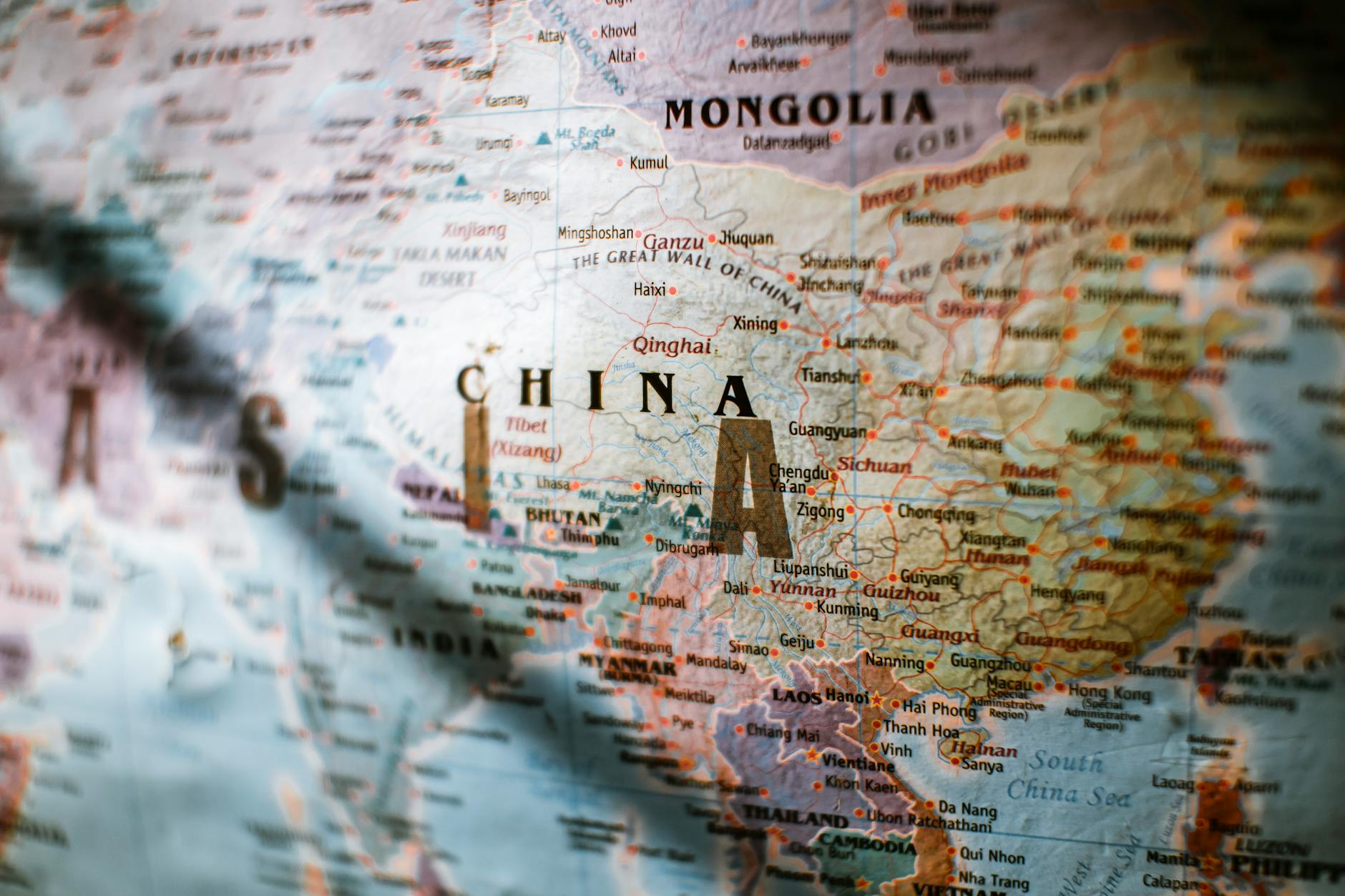
In that scenario, China’s economy is larger than America’s, India becomes a giant in its own right, and traditional allies such as the EU have less appetite for American leadership than they did during the Cold War. That does not mean Europe disappears from the map of influence, but it does mean Brussels can no longer assume that transatlantic alignment will automatically anchor the global system.
The pressure on Europe is not only geopolitical but psychological. Analysts at the European Council on Foreign Relations have argued that the EU is going through a kind of “quarter-life crisis,” marked by weakened self-confidence. That diagnosis fits a Union that keeps reacting to crises created elsewhere, from war in Ukraine to renewed Middle East instability, while struggling to define a compelling strategic narrative of its own.
The European response has been to increase defence spending and broaden the concept of security, but the progress remains uneven and fragmented. Member states still think too often in national terms, even as the strategic environment becomes more collective and less forgiving.
The danger for Europe is not simply being outmatched by larger powers. It is being boxed into a role where it regulates, responds and adapts, but rarely sets the terms. In a world of hardening blocs and transactional alliances, strategic hesitation is becoming its own form of weakness.