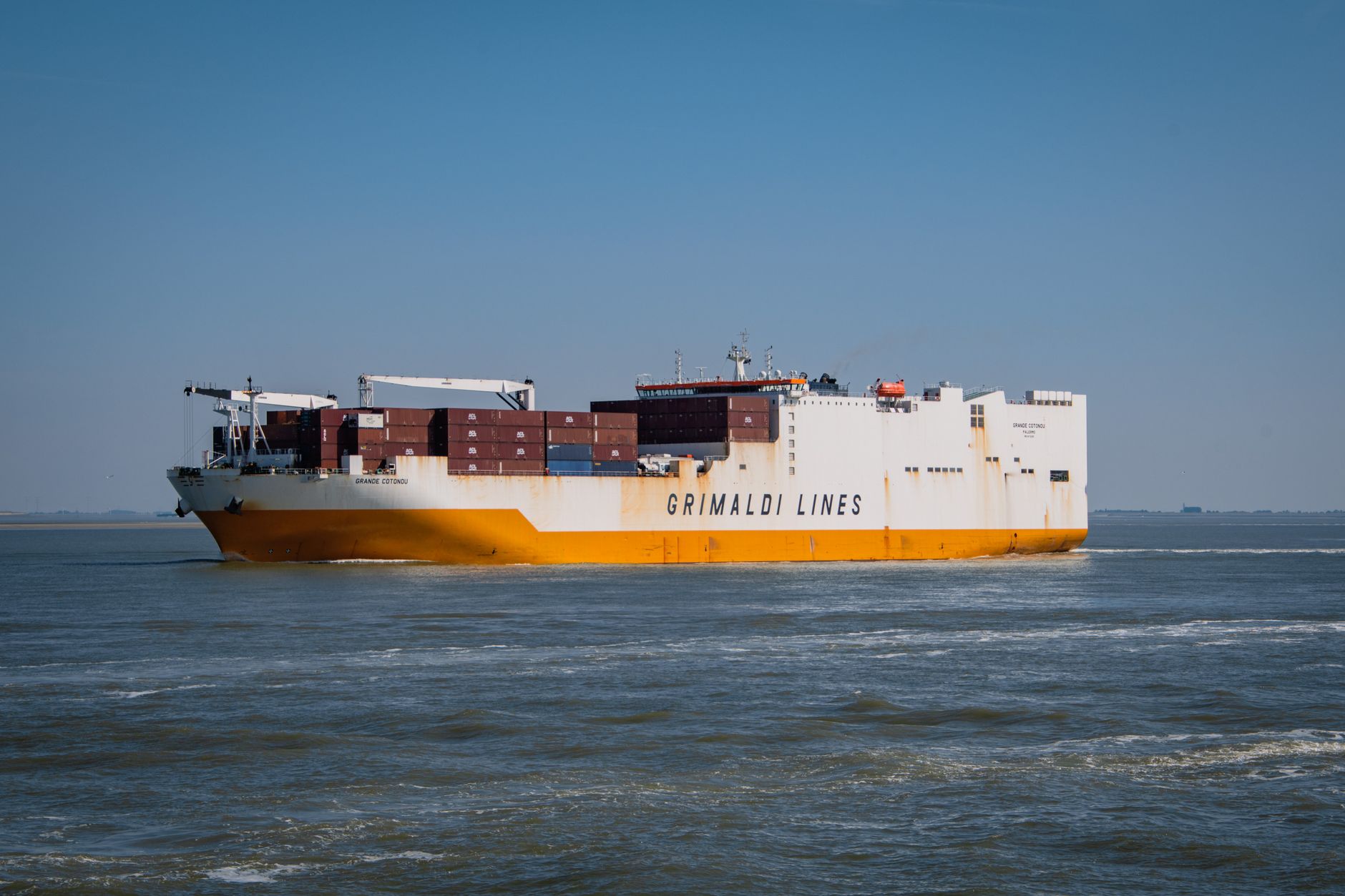
The Asia-Pacific’s central political fact is unchanged: the United States and China are still setting the region’s strategic tempo. Rivalry is most visible in the maritime spaces that matter most for trade and military mobility, from the South China Sea to the chokepoints linking the Indian and Pacific Oceans.[1][3]
That contest is no longer confined to warships and patrol aircraft. It now runs through industrial policy, export controls, and the architecture of regional trade, where major economies are trying to keep access to both U.S. markets and Chinese production networks without being forced to choose a side.[1][3]
The result is a region defined by hedging rather than alignment. Japan and South Korea remain closely tied to the United States, while Southeast Asian states are expanding their options and resisting pressure to lock into any single bloc.[1][2]
APEC, RCEP, and the Indo-Pacific Economic Framework are increasingly operating as geopolitical instruments as much as trade platforms. Each offers a different answer to the same question: how to preserve growth while insulating economies from strategic coercion.[3]
That tension is why the region’s economic story is now a security story. Control over shipping lanes, digital infrastructure, and advanced manufacturing has become central to regional influence, and the Asia-Pacific is moving deeper into a system where commerce is shaped by strategic rivalry rather than separated from it.[1][2][3]


