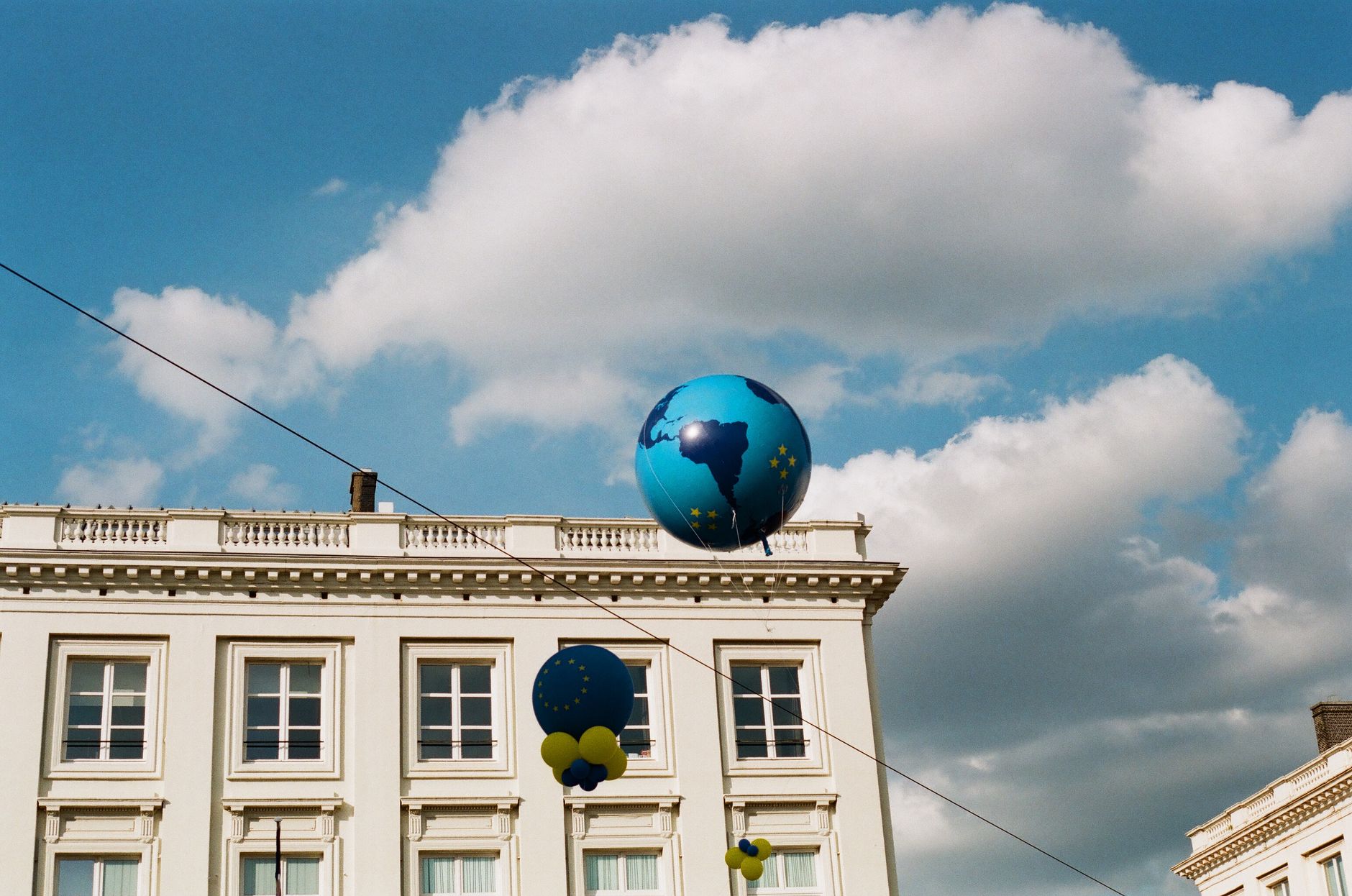
The European Union has entered a more defensive age, and Brussels knows it. Across policy papers and speeches, the bloc is now framing competitiveness, energy security, and industrial policy as parts of the same struggle rather than separate dossiers.[1][2]
That shift is visible in the Commission’s expanding legislative agenda, which aims to protect European production while keeping the EU attached to rules-based trade.[1] The logic is no longer simply about open markets; it is about whether Europe can keep making strategic goods in a world of sanctions, subsidies, supply shocks, and security competition.[1][2]
The most important change is political. EU leaders increasingly describe economic power as a form of statecraft, not just regulation.[2] That means screening dependencies, backing critical industries, and treating trade policy as a tool of leverage as much as of liberalization.[2]
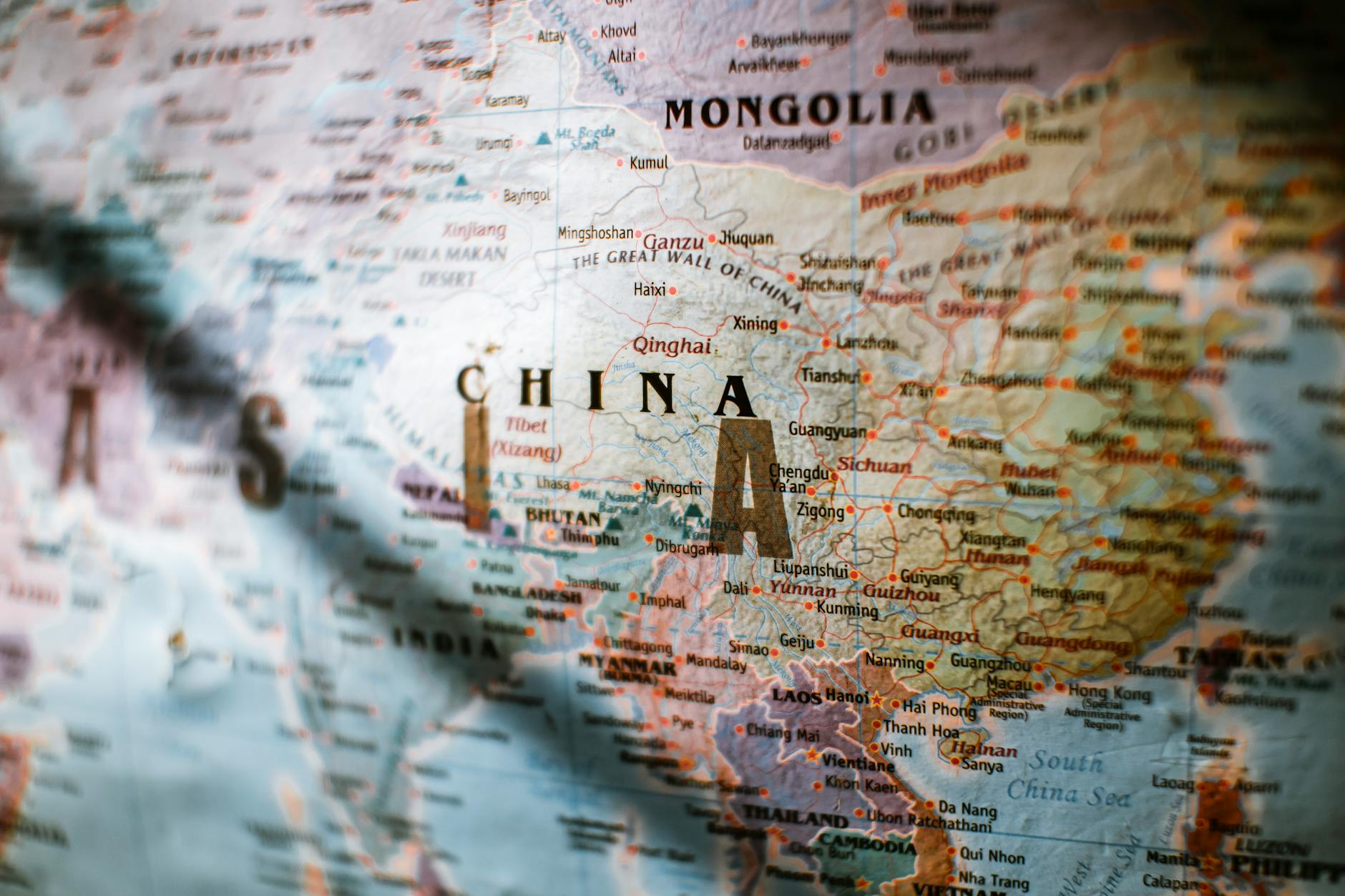
The bloc’s problem is that this transition is happening under pressure, not from a position of strength. The United States is turning more protectionist, China is leaning harder on state-backed manufacturing, and Russia’s war in Ukraine has exposed how fragile Europe’s energy and security assumptions really were.[1][3]
So the EU is trying to do two things at once: remain an open market and become a harder power. That tension now sits at the center of European policy, and it will shape how Brussels writes the next round of industrial, digital, and trade rules.[1][2]