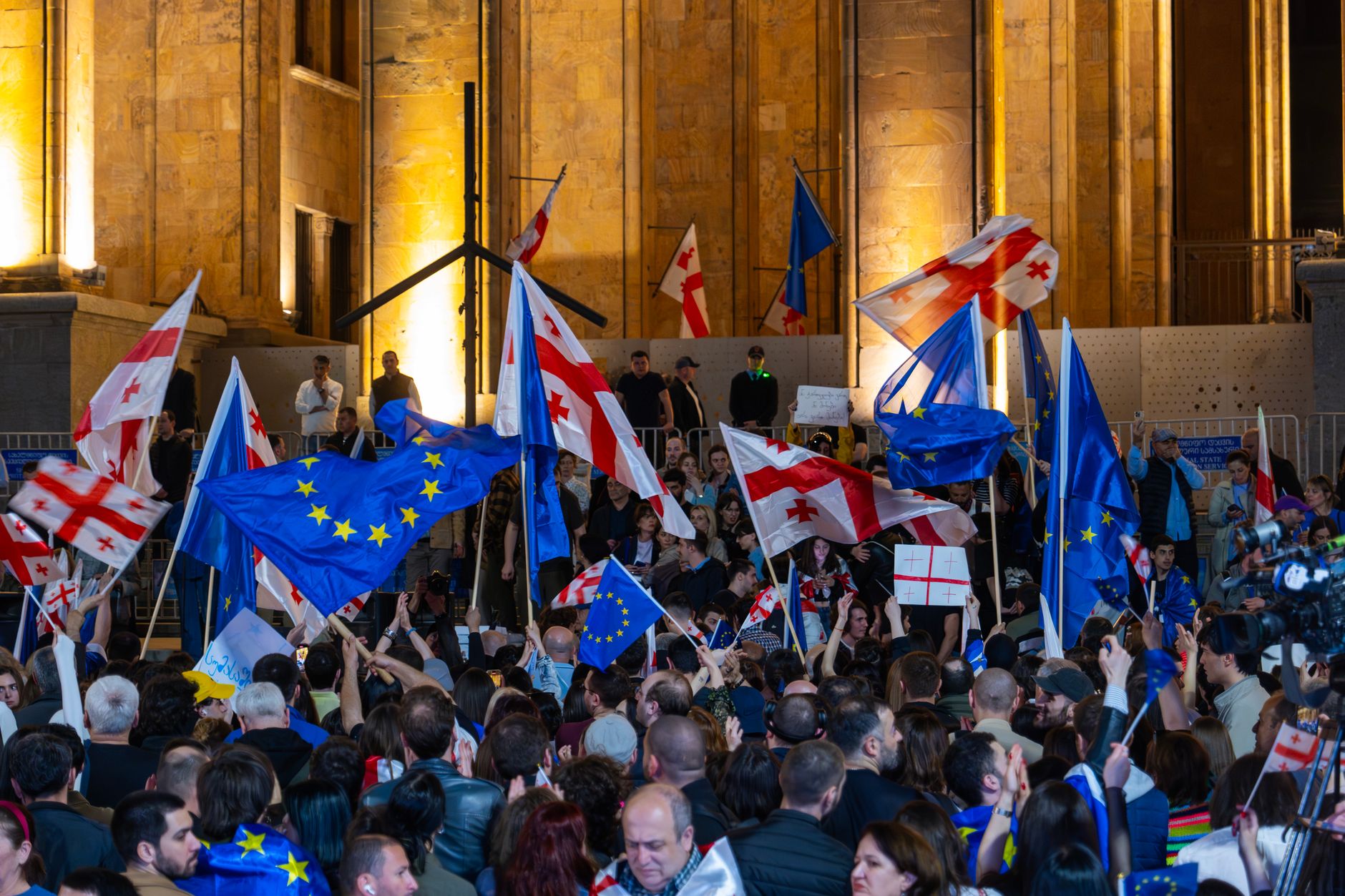
The European Union’s current predicament is not just strategic; it is psychological. Recent analysis describes a bloc responding, with visible fatigue, to crises largely born outside its borders.[1] That fatigue matters because it shapes what Europe can credibly promise its citizens.
The pressure is broad. Europe faces geopolitical rivalry, economic insecurity, migration debates, democratic strain, and social polarization at the same time.[1][6] Those issues feed one another, making each crisis harder to solve and easier to politicize.[6]
Institutionally, the EU is trying to stay coherent by expanding its toolkit. It is relying on industrial legislation, digital regulation, climate instruments, and trade-defense mechanisms to adapt the European model to a harsher world.[1] That may be an impressive policy response, but it is not the same as political renewal.
The risk is that Brussels can design more instruments than it can generate consent. In many member states, the public mood remains wary of elites, skeptical of institutions, and impatient with slow results.[6] That creates fertile ground for populists who argue that Europe offers complexity without protection.
For now, the EU’s answer is to project competence. But competence is not the same as confidence, and the gap between the two is becoming one of the defining facts of European politics in 2026.[1][6]