In Asia-Pacific, trade policy in 2026 is no longer separable from security policy. Regional governments are trying to protect supply chains, preserve market access and reduce exposure to strategic shocks at the same time.[2][5]
This shift is visible in the language of resilience now dominating regional strategy. States are seeking to diversify suppliers, broaden defence partnerships and keep U.S. support engaged without surrendering too much autonomy.[2] That is a direct response to the pressure created by U.S.-China rivalry and by the region’s dependence on uninterrupted maritime commerce.[1][5]
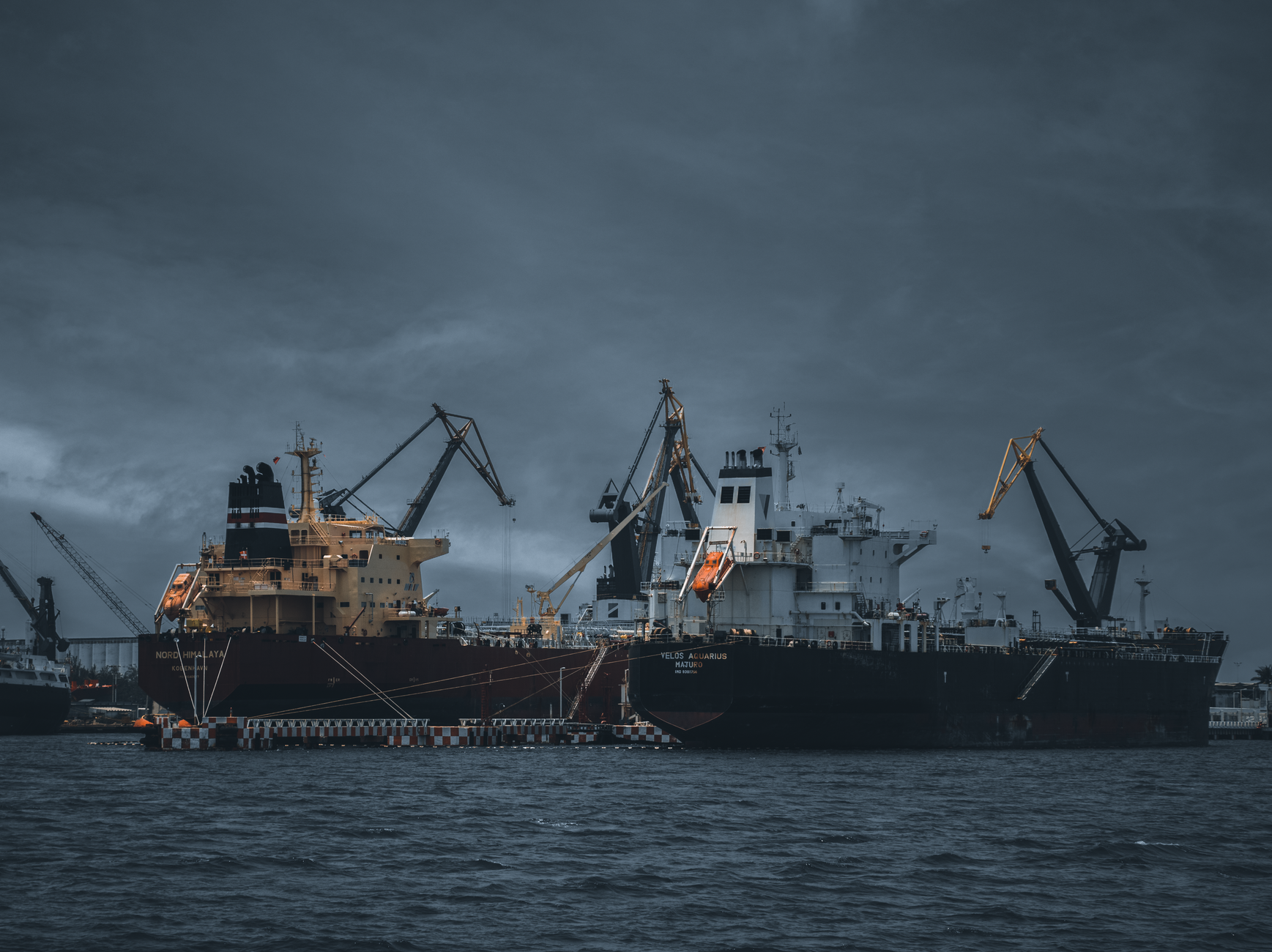
The economic stakes are enormous. Major parts of Asia rely on imported energy and raw materials, while exporting manufactured goods through sea lanes that are vulnerable to geopolitical pressure.[5] That makes every major security incident potentially a trade issue, and every trade dispute potentially a security issue.
China’s focus on Southeast Asia reflects the same logic. By strengthening its position there, Beijing can better protect commercial routes and reduce exposure to chokepoints that could be used against it in a crisis.[1] The United States, for its part, is trying to remain the central military balancer while encouraging partners to shoulder more of the burden.[2]
What makes this moment unusual is that economic interdependence has not softened rivalry; it has reorganised it. The region is not choosing between trade and security anymore, because the two now move together.[1][2][5]
That leaves Asia-Pacific leaders with a narrower policy space. They must keep commerce flowing while preparing for a more militarised and less forgiving regional order.[1][2]