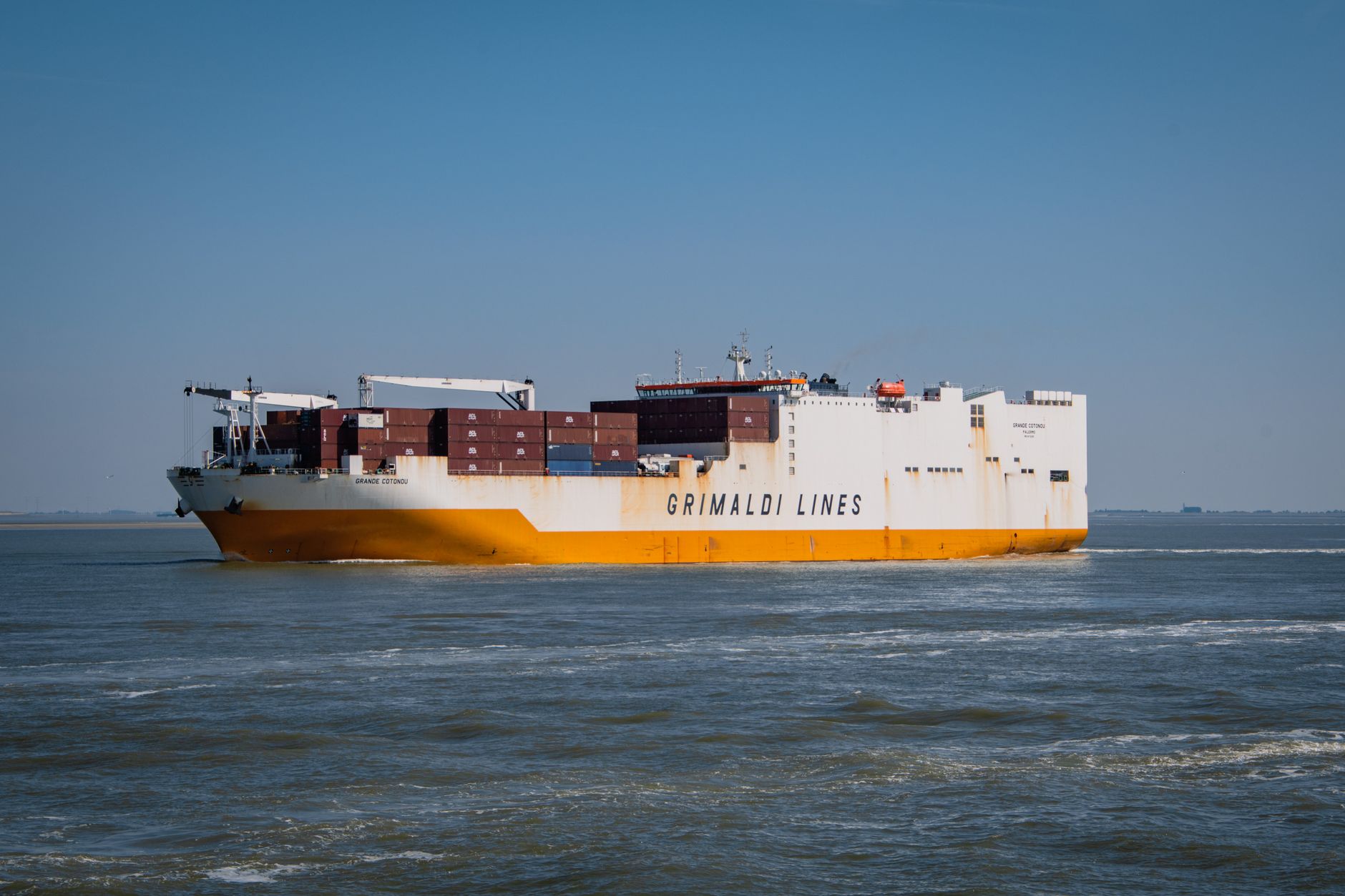
Asia-Pacific trade remains one of the central pillars of the global economy, but its shipping routes are also some of the world’s most contested strategic corridors. Chatham House notes that roughly half of global maritime trade passes through the Indonesian Straits of Sunda, Lombok and Malacca, making the region’s sea lanes a core concern for both commerce and security.[4]
That matters because the region’s factories export manufactured goods while importing energy and raw materials, leaving many economies exposed to disruption in both directions. Even small shocks to shipping, insurance or access to critical inputs can ripple quickly through supply chains.[4]
As strategic competition intensifies, governments are responding by trying to protect supply chains and diversify partners. The pattern is visible in the broader Indo-Pacific discussion, where states are balancing economic dependence with strategic caution rather than assuming markets can be separated from geopolitics.[1][2]
The result is a more fragmented trade environment. Countries are working to reduce concentration risk, but they are doing so without abandoning the export-led model that made the region prosperous in the first place.[1][4]
This is why tariff policy, industrial policy and maritime security are increasingly discussed together. The region’s economic leaders are now treating resilience as a trade priority, because the biggest threat to growth is no longer only recession or weak demand, but strategic interruption.[1][5]
Asia’s trade story is therefore shifting from efficiency to insurance. The new logic is not maximum openness at any cost, but enough redundancy to keep commerce moving when geopolitics turns rough.[1][4]


