Washington’s foreign policy is becoming more rigid, not less. Lawmakers voted down a resolution that sought to block U.S. military support for Israel’s assault on Lebanon, with 91 House Democrats joining nearly all Republicans in a 324-to-92 defeat of the measure.
The vote shows how narrow the space has become for congressional resistance to U.S. backing for Israel’s military campaign. Even as the humanitarian toll rises and the war broadens, the political center of gravity in Washington remains firmly aligned with continued support, leaving critics isolated and unable to force a change in policy.
That same hard line is appearing elsewhere in the administration’s handling of national security and communications. Recent reports say the Pentagon has designated its press office as a classified space, effectively turning a key public-facing function into a sensitive compartmented information facility. That step reflects a wider instinct toward secrecy and control.
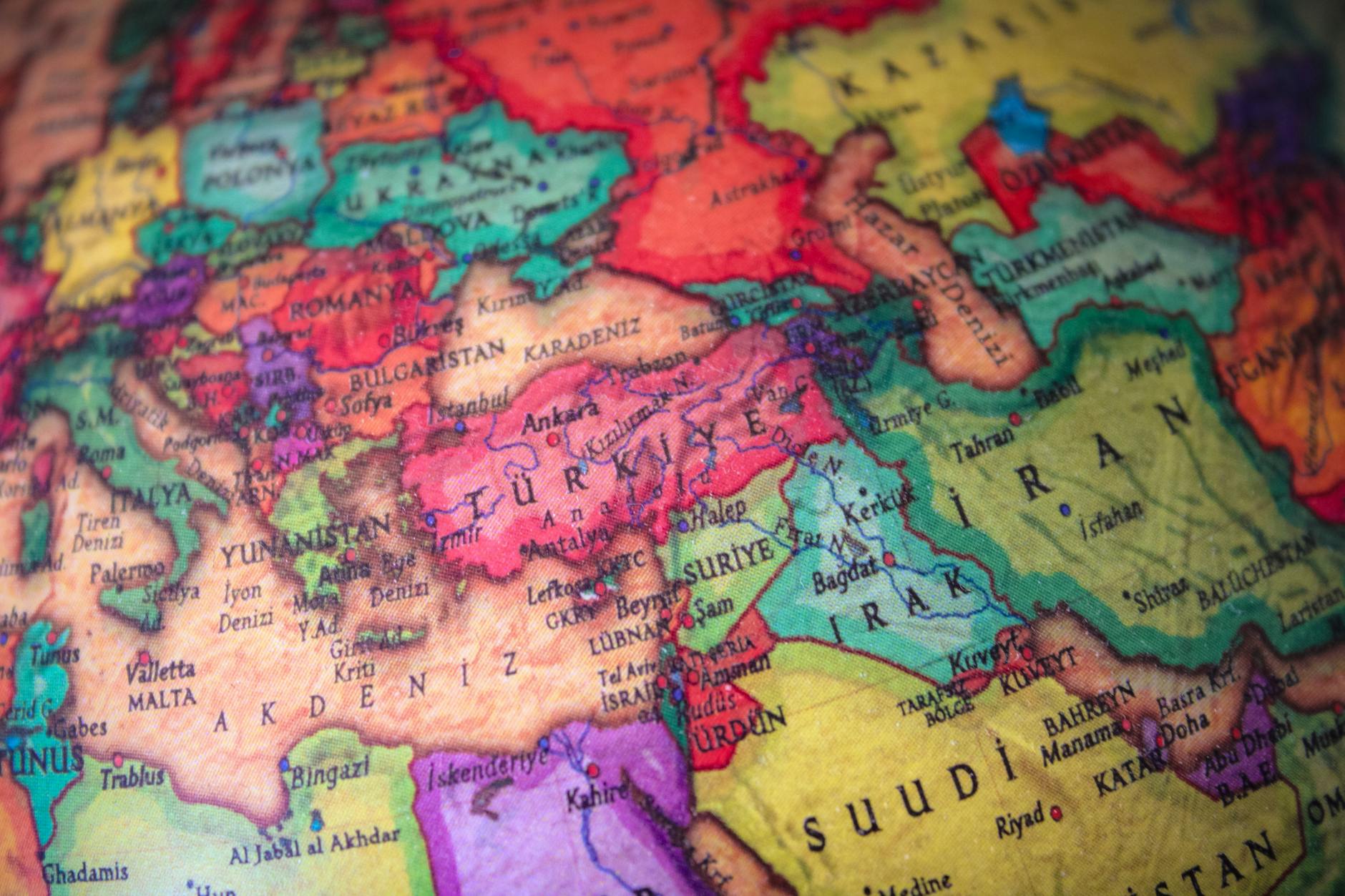
At the same time, reports of direct or indirect diplomacy around Iran and regional conflict suggest the White House is trying to manage multiple crises at once, including talks that may defer the nuclear question while focusing on short-term de-escalation. The result is a foreign policy defined less by clear strategy than by crisis containment.
The pattern is unmistakable: more military backing, more secrecy, and fewer visible political checks. That may project strength in the short term, but it also leaves the United States looking increasingly committed abroad and increasingly closed off at home.