🔴  Breaking News🇺🇸  USA Edition🇪🇺  Europe Edition🌏  Asia & Oceania🌍  Africa Edition
Wednesday, June 10, 2026
🌙 Evening Brief
The Daily Brief

Your daily newspaper · Every night at midnight

Preferences

S&P 500730.43▼ 0.90%NASDAQ698.30▼ 1.35%DOW503.55▼ 1.15%CAC 4045.45▼ 0.94%DAX41.44▼ 1.43%FTSE 10046.07▼ 0.45%Nikkei89.70▼ 1.37%Apple292.31▲ 0.61%Amazon239.23▼ 2.03%Microsoft403.07▼ 0.08%Google358.15▼ 1.68%Tesla383.51▼ 3.32%Nvidia202.85▼ 2.57%Meta577.50▼ 1.21%Netflix82.44▲ 1.27%Coca-Cola83.72▲ 2.93%Nike44.16▼ 1.10%Disney99.36▲ 0.03%JPMorgan312.69▼ 0.00%LVMH113.96▲ 2.54%TotalEnergies89.79▲ 1.48%SAP172.22▼ 3.74%Gold378.29▼ 3.20%Oil135.43▲ 3.15%S&P 500730.43▼ 0.90%NASDAQ698.30▼ 1.35%DOW503.55▼ 1.15%CAC 4045.45▼ 0.94%DAX41.44▼ 1.43%FTSE 10046.07▼ 0.45%Nikkei89.70▼ 1.37%Apple292.31▲ 0.61%Amazon239.23▼ 2.03%Microsoft403.07▼ 0.08%Google358.15▼ 1.68%Tesla383.51▼ 3.32%Nvidia202.85▼ 2.57%Meta577.50▼ 1.21%Netflix82.44▲ 1.27%Coca-Cola83.72▲ 2.93%Nike44.16▼ 1.10%Disney99.36▲ 0.03%JPMorgan312.69▼ 0.00%LVMH113.96▲ 2.54%TotalEnergies89.79▲ 1.48%SAP172.22▼ 3.74%Gold378.29▼ 3.20%Oil135.43▲ 3.15%
🇪🇺 Europe Edition
POLITICS

RUSSIA SANCTIONS AND EU COMPETITIVENESS PUSH

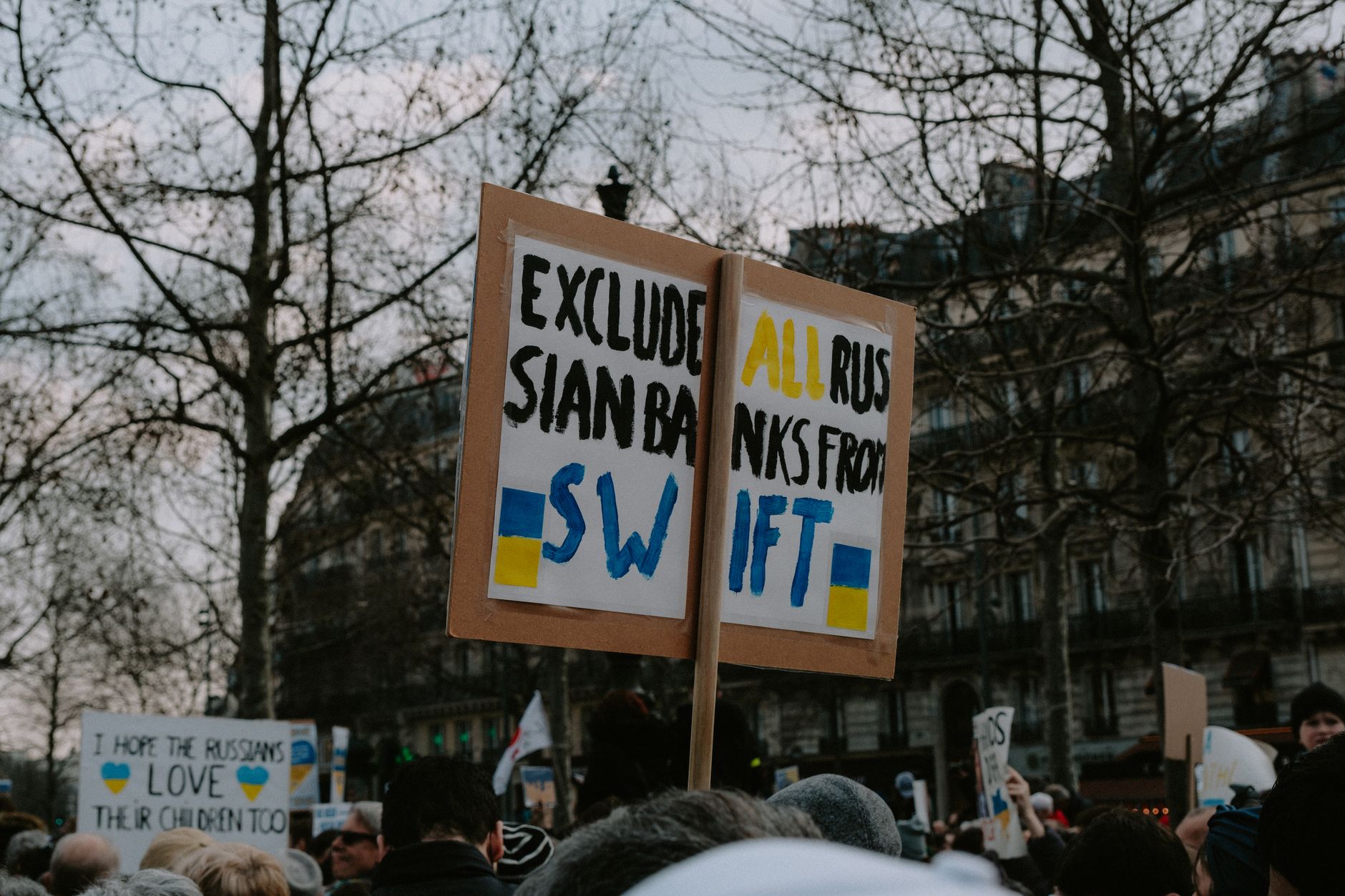
The most important Europe-wide story is the European Commission’s new sanctions proposal against Russia, which targets oil revenues, shadow fleet vessels, banks, cryptocurrency firms, metals, fish products, and individuals linked to the invasion of Ukraine. At the same time, the Commission has launched a new competitiveness strategy called One Europe, One Market to simplify business creation and strengthen industrial policy across the EU. Together, these moves capture the EU’s twin priorities of geopolitical pressure on Russia and economic reform at home. They are likely to dominate the Europe Edition because they affect both EU foreign policy and the bloc’s long-term economic direction.

Topic sections
🇬🇧

United Kingdom

Brexit’s long economic shadow still dominates UK policy debates

Fresh analysis suggests the Brexit hit to the economy has been deeper and slower-moving than many expected, with losses building gradually over time rather than appearing immediately. The pressure shows up most clearly in weaker investment, slower productivity and a smaller overall economy, which together help explain why growth has remained so fragile. The political consequence is that every major argument about taxes, public spending and regulation now sits in the shadow of the post-EU settlement. In practice, Brexit is no longer just a constitutional story; it is a continuing test of how much economic resilience the UK can sustain.

London’s economy is still absorbing the costs of a changed UK relationship with Europe

The capital’s strength in finance, professional services and global connectivity means it feels Brexit-related friction differently from many other parts of the country. But those same sectors depend on the conditions that prolonged uncertainty has made harder to guarantee, especially for investment and hiring. The result is a city that remains powerful but more exposed to the national weaknesses dragging on UK performance. London therefore serves as a useful indicator of how Brexit aftermath and weak growth are reshaping the whole economy.

Low trust and political frustration continue to shape British society

Brexit did not end as a single event in public life; it became a long-running influence on how people judge politics and institutions. Evidence from social research shows higher political interest alongside deeper disappointment in government, a combination that can make the electorate more engaged but also more volatile. The strain is visible in the way economic weakness, institutional distrust and constitutional arguments have become fused into one political conversation. In that sense, the aftermath of Brexit is still changing how Britain sees itself.

🇩🇪

Germany

Berlin Pushes a More Assertive European Role

Merz is moving quickly to redefine Germany as an active European leader rather than a reluctant consensus manager. Recent analysis says his foreign policy aims include deeper EU economic and financial integration, stronger security capacity, and more autonomy for Europe in a harder geopolitical environment. Berlin’s challenge is to turn that ambition into practical influence without reviving fears of German dominance. The key question is whether Germany can pair leadership with enough domestic credibility to carry the EU with it.

Economy and Industry: The Pressure to Rebuild Competitiveness

Germany is under growing pressure to update the economic model that powered its postwar industrial strength. The latest strategic thinking links German growth to deeper European markets, more secure supply chains, and stronger investment in technology and infrastructure. That reflects a broad recognition that industry cannot be defended by stability alone when external shocks and slower growth are reshaping the environment. For Berlin, economic leadership now means making the case for reform at home and integration abroad at the same time.

Berlin as the Engine Room of National Strategy

Berlin is where Germany’s political direction and European ambitions are being set. The city’s role goes beyond government administration, because it now serves as the main platform for projecting a more confident German stance inside the EU. That makes Berlin central to debates over security, industry, and economic renewal. It is also where the tension between caution and leadership is most visible.

🇫🇷

France

Macron links diplomacy, the G7, and economic security in a single agenda

Macron used his annual foreign-policy address to argue for stronger strategic partnerships, more resilient supply chains, and new forms of cooperation on peacekeeping and climate. That framing is important because it ties France’s external policy to domestic concerns about growth, industrial competitiveness, and stability. The approach suggests Paris wants to use the G7 to defend a rules-based order while avoiding open confrontation with major partners. It also reflects an effort to keep France visible as a convening power despite its own political turbulence.

Choose France exposes the limits of reindustrialization

The government is still relying on large investment summits to showcase France’s appeal to global business leaders. But the emphasis on expedited authorizations and special treatment for strategic projects also highlights how difficult it has been to turn political promises into broad industrial momentum. The current approach is pragmatic: attract capital first, then try to lock in production and employment. Its weakness is that it depends heavily on investor confidence and state coordination.

Paris remains a soft-power asset as France seeks stability

Paris is still central to how France presents itself abroad, not only as a political capital but as a global cultural hub. The city’s museum reputation and international brand help sustain tourism, investment appeal, and diplomatic prestige. That soft power is useful for a country trying to project continuity while domestic politics remain strained. It also gives France another way to influence international debates without relying solely on hard power.

🇮🇹

Italy

Italy’s politics and economy remain locked in the same debate over growth and social stability

Italy’s public conversation continues to center on the tension between fiscal discipline and the need for investment, a pattern rooted in the country’s long experience of rapid social change and uneven economic adjustment. The political stakes are high because economic choices in Rome quickly spill into employment, welfare, and regional inequality. That makes every budget discussion also a debate about the social contract. The deeper issue is not only growth, but whether growth can be made broad enough to sustain political consensus.

Culture is being recast as an engine of national development

Italian cultural debate has shifted toward a more utilitarian but also more ambitious view of the sector. Culture is increasingly presented as a driver of both economic growth and social value. That perspective helps explain why public policy keeps returning to funding, access, and the management of cultural assets. It also reflects a wider recognition that Italy’s soft power is one of its most durable strengths.

Italian society still reflects the legacy of postwar transformation

Italy’s social fabric was reshaped by deep changes in the decades after the war, especially through schooling, health care, labor rights, and urban growth. Those reforms gave many Italians greater stability and mobility, but they also created new pressures around work, family, and equality. The result is a society that is more modern than it was, yet still marked by unresolved divisions. That legacy continues to shape political debate and public expectations.

🇸🇪

Nordic

Sweden weighs ban on logged-in social media use for under-15s

Sweden is advancing a proposal that would bar children under 15 from using social media in a logged-in state, according to a recent government inquiry. The plan would tie eligibility to the calendar year a child turns 15 so classmates fall under the same rule. That design suggests policymakers are trying to reduce loopholes and make enforcement simpler for schools and platforms. The move would add new pressure on Nordic governments to clarify how far they want to go in regulating youth online behavior.

Nordic defense coordination stays in focus as security pressures persist

Defense remains one of the most important cross-Nordic themes, with Sweden, Norway, Denmark, and Finland all operating in a tighter security environment. Coverage from regional defense specialists points to ongoing attention on procurement signals, readiness, and industrial capacity. Finland’s position near Russia keeps the strategic urgency especially high across the region. The common trend is a move toward more coordinated, more immediate security planning.

Norway’s stability and energy role continue to anchor the Nordic economy

Norway remains a key stabilizing force in the Nordic region through its energy exports and strong public institutions. The country’s importance is often reflected in incremental developments rather than one-off shocks. That makes Norway a constant reference point for regional economic and security planning. Its role continues to shape the wider Nordic balance even on quieter news days.

🇪🇸

Spain & Portugal

Iberia’s governments face a tougher test of stability

Spain and Portugal are both navigating a period in which parliamentary numbers and regional deals are central to day-to-day governing. In Spain, the pressure is especially intense because every major policy fight now carries an electoral reading, while in Portugal the issue is whether a fragile political balance can survive long enough to produce visible economic gains. The broader story is not a crisis of regime legitimacy, but a practical test of whether centrist governance can still command enough trust to function.

Cost-of-living pressure still dominates the Iberian economy

Even with inflation more contained than in the recent past, families in Spain and Portugal remain focused on housing, food and services. The political consequence is that economic news is judged less by headline growth and more by whether pay packets and rents feel bearable. Governments in both capitals need to show that recovery is reaching ordinary consumers, not just balance sheets and visitor numbers.

Society and culture are rebounding, but pressures are sharper

Both countries are benefiting from lively cultural calendars and the economic spillovers of tourism, but that same success has added stress to housing and local services. Spain’s regional pluralism keeps cultural politics vivid, while Portugal’s smaller scale makes demographic and housing issues feel more immediate in daily life. The result is a social mood that is energetic but not relaxed.

🏛️

EU & Brussels

Enlargement is now an institutional stress test for the EU

The European Parliament is the EU’s directly elected law-making body, with legislative, supervisory and budgetary powers, and it must approve enlargements as part of its legislative role. EU institutions and bodies are spread across Brussels, Strasbourg and Luxembourg, but the centre of gravity for enlargement politics remains Brussels because that is where interinstitutional compromise is forged. That makes today’s debate less about symbolic support for candidate countries and more about whether the Union can align its political ambition with its legal machinery.

MEPs tie enlargement to security and reforms

In Parliament, enlargement is being framed as a strategic response to geopolitical pressure and a way to avoid creating unstable grey zones on the EU’s borders. The political logic is clear: new members will be welcomed only if they remain merit-based, values-driven and conditional on reforms. That approach strengthens the Parliament’s hand as a gatekeeper while also making enlargement more credible to sceptical capitals.

Rule-of-law conditionality is becoming the real accession filter

European-level policy thinking is increasingly focused on strengthening rule-of-law standards inside the Union and across enlargement policy. The central issue is no longer just whether a country can join, but what safeguards must exist before membership changes the balance inside the institutions. In that sense, Brussels is treating enlargement as a test of legal architecture as much as of geopolitical strategy.