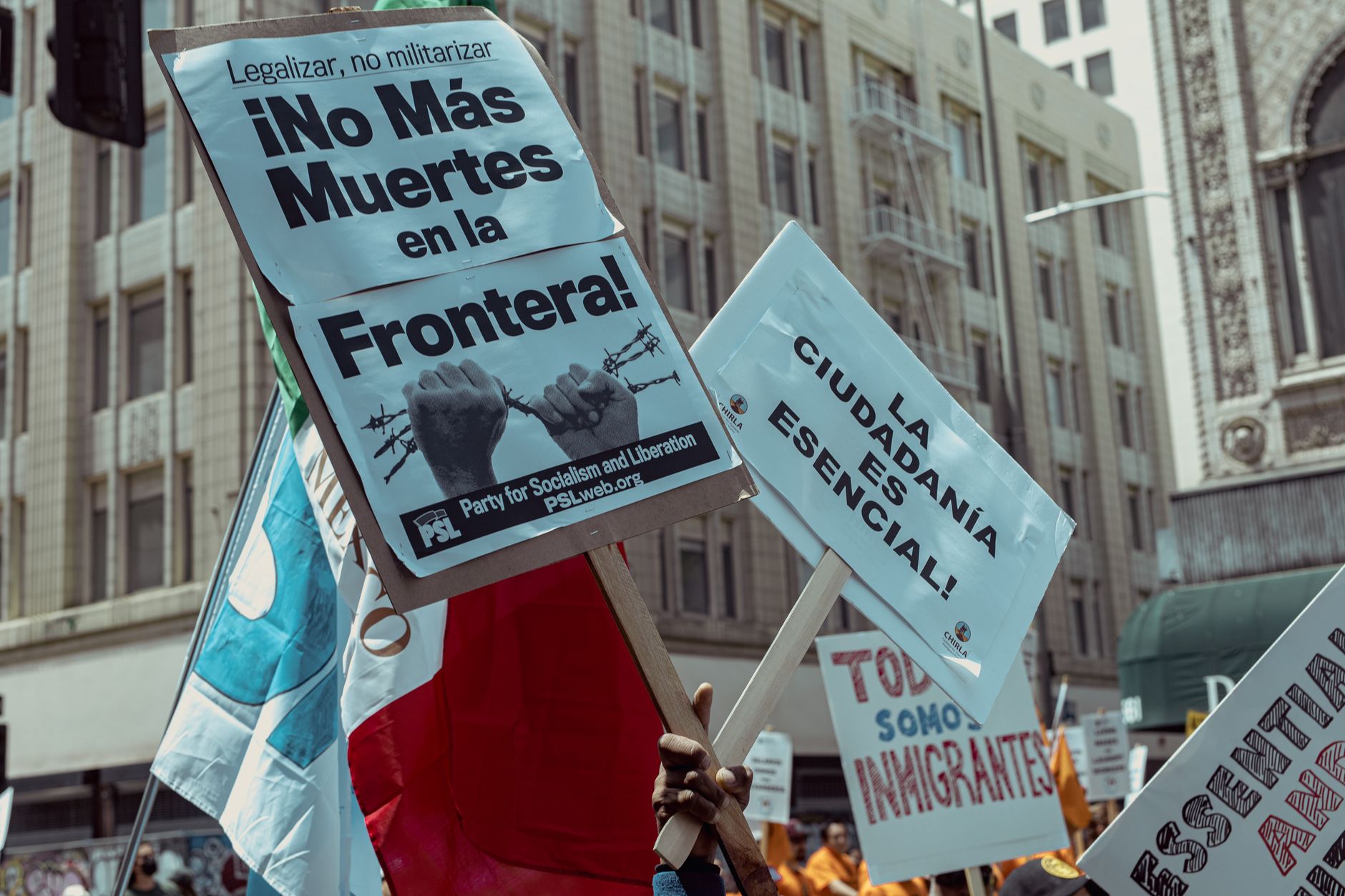
Europe’s social debate is being reshaped by a familiar but unresolved problem: how to preserve openness while convincing voters that the system still protects them. The EU has faced repeated pressure over migration, unity, and the limits of deeper integration, and those tensions continue to test confidence in the European project.[2]
The issue is not simply numbers. It is whether citizens believe that the union can manage external pressure without diluting internal cohesion.[2] When border control, asylum policy, labor markets, and public services are discussed in the same breath, migration stops being a single policy file and becomes a referendum on governance itself.
That legitimacy challenge is made sharper by the EU’s uneven political geography. Some governments want a tougher line, others want more burden-sharing, and the institutions in Brussels are left trying to reconcile incompatible national narratives.[2] The result is a recurring cycle: crisis, bargaining, partial reform, and renewed distrust.
Civil society bodies and social partners remain important but are often overlooked in this environment, even though they help mediate the gap between elite policy and public experience.[7] Their role matters more when institutions are under stress, because legitimacy in Europe depends not only on rules, but on whether people feel those rules are responsive.
The EU’s deepest challenge may be that it is asking citizens to accept a more geopolitical Europe without offering a fully convincing social story for that shift. If Brussels wants a stronger union, it will need more than security language and budget reallocations. It will need a political argument that ordinary Europeans can still recognize as their own.[2][7]