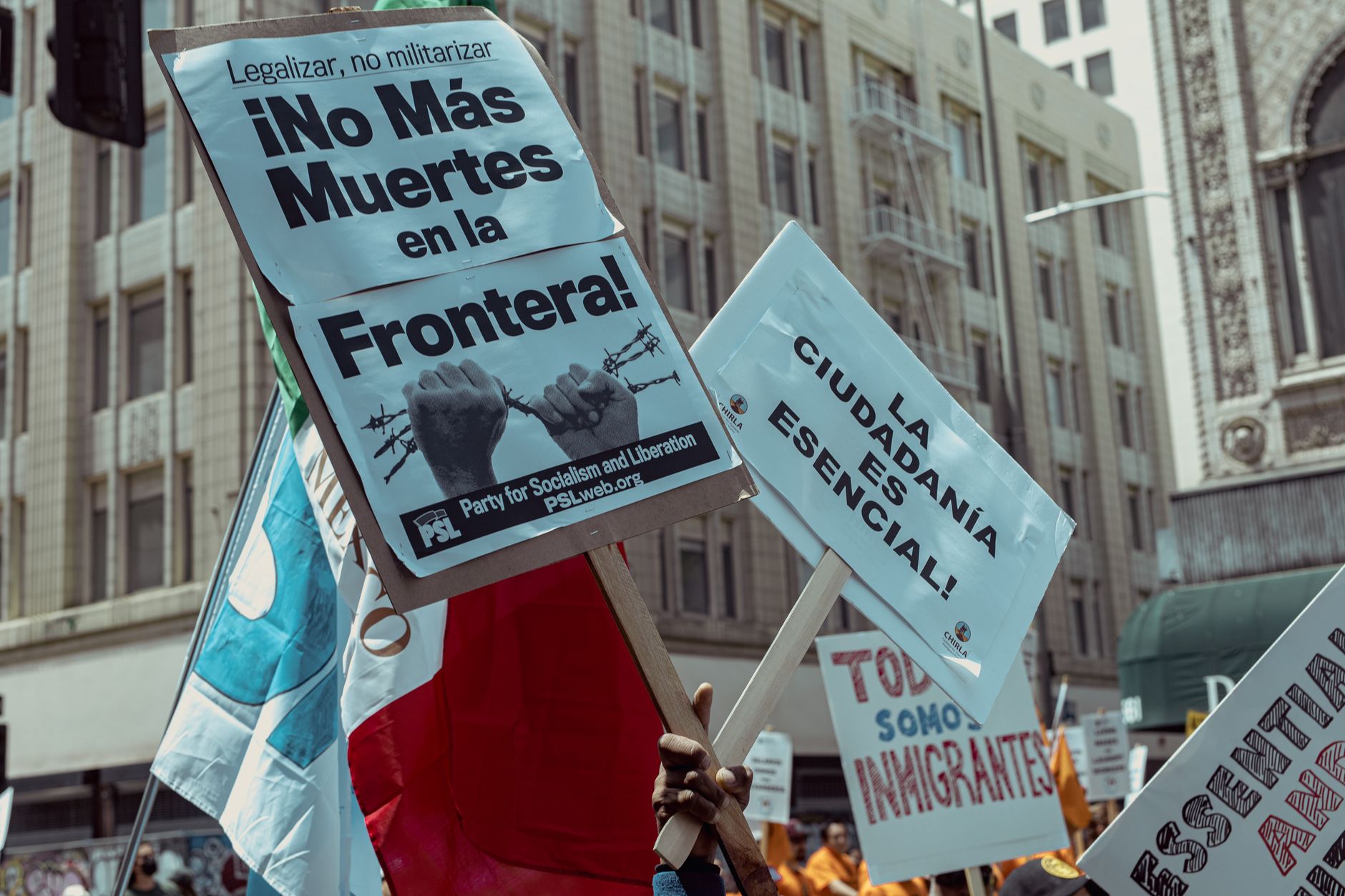
Protests continued in Houston after the killing of Lorenzo Salgado Ajo, a 52-year-old Mexican father, in an incident tied to ICE. The case has rapidly become more than a local tragedy: it is now part of the broader national struggle over immigration enforcement, border policy and the use of federal power inside American communities.
The politics are combustible because immigration has become one of the central identity issues of the Trump era. Supporters of aggressive enforcement say the government is finally taking the law seriously; critics say the country is normalizing a system that too often treats migrants and their families as targets rather than people.
That divide is especially sharp in cities where immigration policy is felt not as abstraction but as daily experience. Houston’s protests show how quickly a single incident can become a symbol of federal overreach, racial tension and frustration with a government that many residents believe is escalating rather than solving the problem.
The administration is unlikely to retreat, particularly after making tougher border and interior enforcement a signature promise. But the political cost may be rising as the humanitarian and public-order consequences of that approach become harder to separate from the policy itself.
For now, the episode adds to the sense that immigration is no longer just a policy debate. It is a stress test for American social trust, local legitimacy and the limits of federal force.