Domestically, the Trump White House is running a politics of pressure on multiple fronts at once. The administration is pressing for stricter mail-voting rules, reportedly asking the Supreme Court to permit an executive order that would restrict voting by mail, while also pushing agencies toward more aggressive positions on public health policy.[5][10]
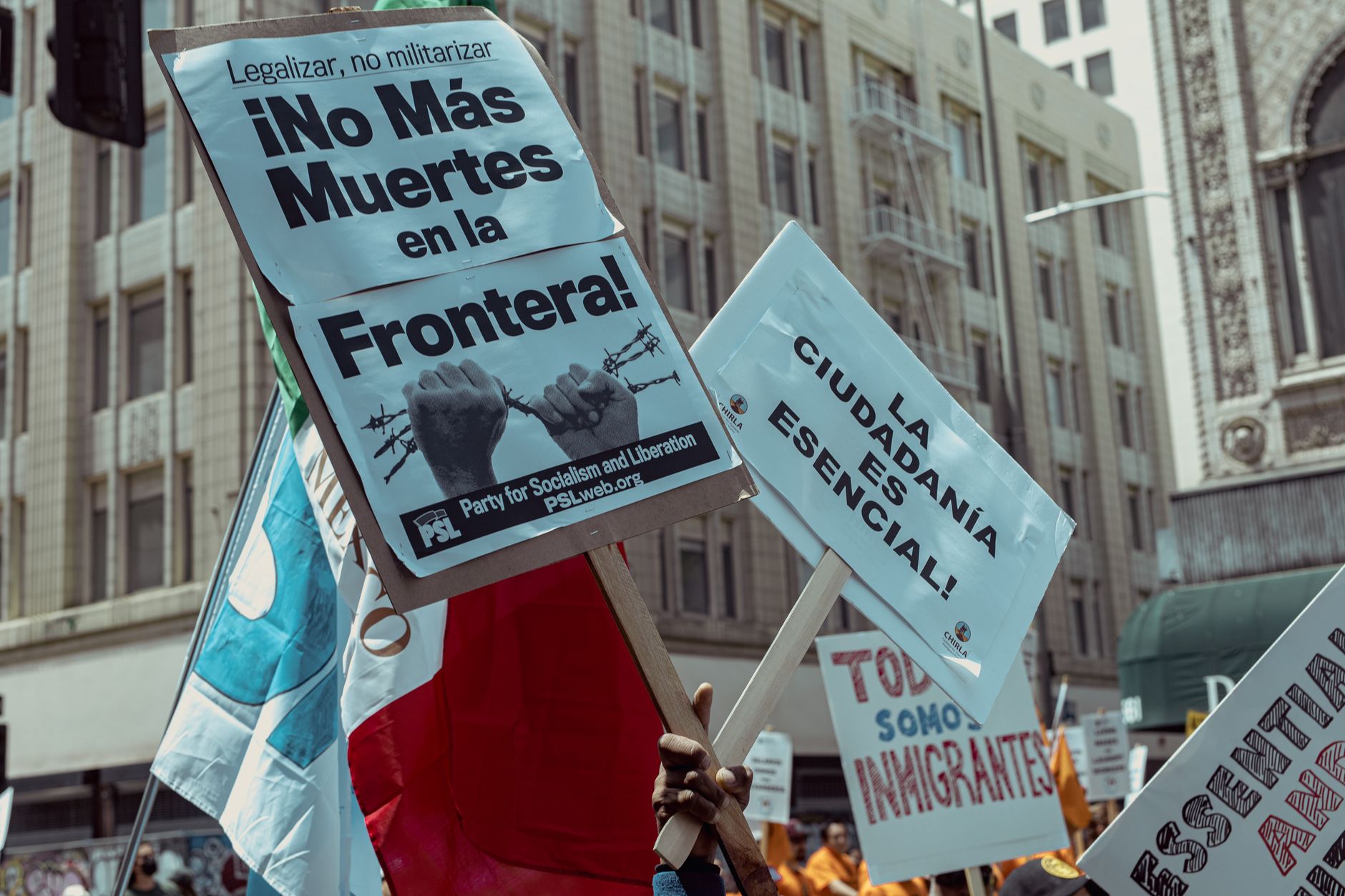
That same impulse is visible in immigration enforcement. A federal judge has ordered the release of an ICE witness tied to the fatal shooting of a Mexican father in Houston, a ruling that adds another flashpoint to an already volatile immigration debate.[10] Cases like this are shaping public perceptions of both federal power and due process.
The health policy fight is just as fraught. Reporting says Trump is pressuring Health Secretary Robert F. Kennedy Jr. to push for deeper cuts to childhood vaccination recommendations, a move likely to intensify concern among doctors, parents and lawmakers.[10] Combined with the Senate’s work on health privacy and preparedness, it suggests the administration is trying to recast public-health institutions rather than simply manage them.[3]
Meanwhile, the political climate remains raw. The Guardian describes a president facing divisions inside his own support base after the Iran conflict, inflation and frustration among Christian conservatives.[2] Even if that assessment is more interpretive than official, it reflects a central fact of the moment: Trump is still dominating the agenda, but not necessarily stabilizing it.[2]
The bigger picture is a country where the administration’s strongest instinct is escalation, not reconciliation. On voting, immigration, health and culture, the White House appears to be choosing conflict as a governing style, and the political system is responding with lawsuits, resistance and anxiety.